

AUKUS Under Pressure as Australia Faces Growing Submarine Capability Concerns
AUKUS Under Pressure as Australia Faces Growing Submarine Capability Concerns
Australia's ambitious AUKUS submarine program is increasingly coming under scrutiny as defence experts, policymakers and industry leaders warn of potential delays that could leave the country vulnerable during a period of rising strategic competition in the Indo-Pacific.
While the Australian government insists the AUKUS agreement remains on schedule, a growing number of defence analysts are urging Canberra to prepare contingency plans in case critical milestones are missed. At the centre of the debate is a simple but significant concern: what happens if Australia's aging submarine fleet reaches the end of its operational life before new nuclear-powered submarines arrive?
The AUKUS security pact, involving Australia, the United States and the United Kingdom, is designed to provide Australia with a fleet of nuclear-powered submarines over the coming decades.
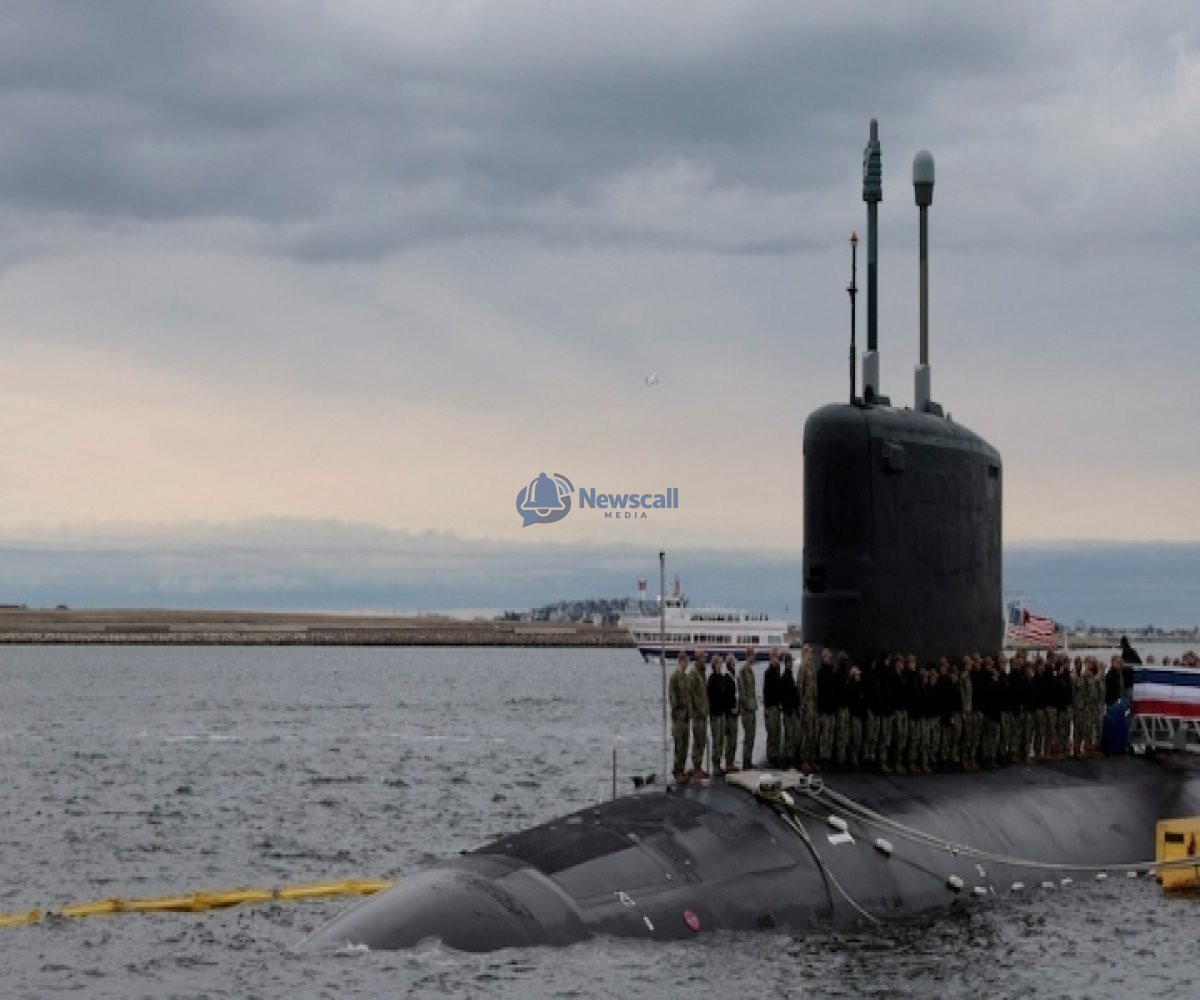
Under the agreement, Australia is expected to acquire at least three Virginia-class submarine submarines from the United States beginning in 2032. These vessels will serve as a bridge until the arrival of the new SSN-AUKUS submarines, which Australia plans to build domestically from the early 2040s.
The challenge lies in the years between now and then.
Australia currently operates six Collins-class submarines, some of which are approaching three decades of service. To keep them operational until the arrival of the nuclear fleet, the government has committed approximately A$11 billion to a life-extension program.
However, questions remain over whether the aging vessels can reliably remain in service for another 15 to 20 years.
Recent reports indicate that major upgrade plans have already been scaled back, including the replacement of diesel engines. Defence officials acknowledge that the condition of each submarine can only be fully assessed once extensive maintenance work begins.
At the same time, the United States faces its own challenges.
American shipyards currently produce slightly more than one Virginia-class submarine annually. To satisfy both U.S. Navy requirements and Australia's future needs, production must increase to more than two submarines per year by the early 2030s.
That target remains difficult.
Studies from the U.S. Congress and defence analysts point to persistent labour shortages, supply-chain bottlenecks, aging shipyard infrastructure and competing priorities such as the construction of America's Columbia-class ballistic missile submarines.
According to defence researcher Dr Marcus Hellyer, production rates may not consistently reach the required levels until the mid-2030s, potentially creating delays in Australia's acquisition timeline.
Australia has already committed billions of dollars to help expand American shipbuilding capacity. More than US$2 billion has reportedly been transferred to support industrial upgrades, with additional funding planned over the next decade.
Despite these investments, uncertainty remains.
The final decision to transfer Virginia-class submarines to Australia will ultimately rest with a future U.S. president. While many experts believe Washington remains committed to AUKUS, some argue that domestic military requirements could complicate future decisions.
The debate has sparked increasing discussion about a possible "Plan B."
Among the options being considered is the acquisition of long-range strike capabilities such as the Northrop Grumman B-21 Raider stealth bomber, an idea promoted by Australian opposition figures as a way to strengthen deterrence if submarine deliveries are delayed.
Another proposal comes from the defence think tank Australian Strategic Policy Institute, which suggests Australia explore leasing advanced diesel-electric submarines from Japan.
Supporters argue that Japan presents a unique opportunity because it regularly retires highly capable submarines after roughly 20 years of service and continues to build new vessels at a steady pace. Leasing such submarines could provide Australia with an interim capability while awaiting the arrival of nuclear-powered boats.
Not everyone agrees that alternatives are necessary.
Australian Defence Minister Richard Marles has repeatedly rejected suggestions that the government should pursue a backup strategy. He argues that discussing alternatives risks undermining confidence in AUKUS itself.
Government officials also point to continued support from both Washington and London, emphasizing that submarine construction challenges were well understood when the agreement was signed.
Meanwhile, senior U.S. naval leaders continue to express confidence that production targets can be met within the required timeframe.
The AUKUS partnership remains one of the most significant defence projects in Australia's history, promising to transform the country's military capabilities and deepen strategic ties with the United States and the United Kingdom.
Yet the path ahead is far from straightforward.
Australia must keep an aging submarine fleet operational well beyond its intended lifespan, rely on major improvements in American shipbuilding capacity, and participate in the development of an entirely new class of nuclear-powered submarine.
For supporters of contingency planning, the issue is not whether AUKUS should proceed, but whether Australia can afford to rely on a single pathway without preparing for unexpected setbacks.
As geopolitical tensions continue to rise across the Indo-Pacific, the debate is shifting from whether AUKUS is the right strategy to whether Australia has enough safeguards in place if parts of that strategy fail to arrive on time.
Sources: Australian Broadcasting Corporation (ABC), Australian Department of Defence, Australian Strategic Policy Institute (ASPI), U.S. Congressional research findings, and public statements from Australian and U.S. defence officials.

Nwekwe Esther Amarachukwu
Public speaker,Research-driven writer covering politics and public affairs, committed to accuracy, and meaningful public discourse.