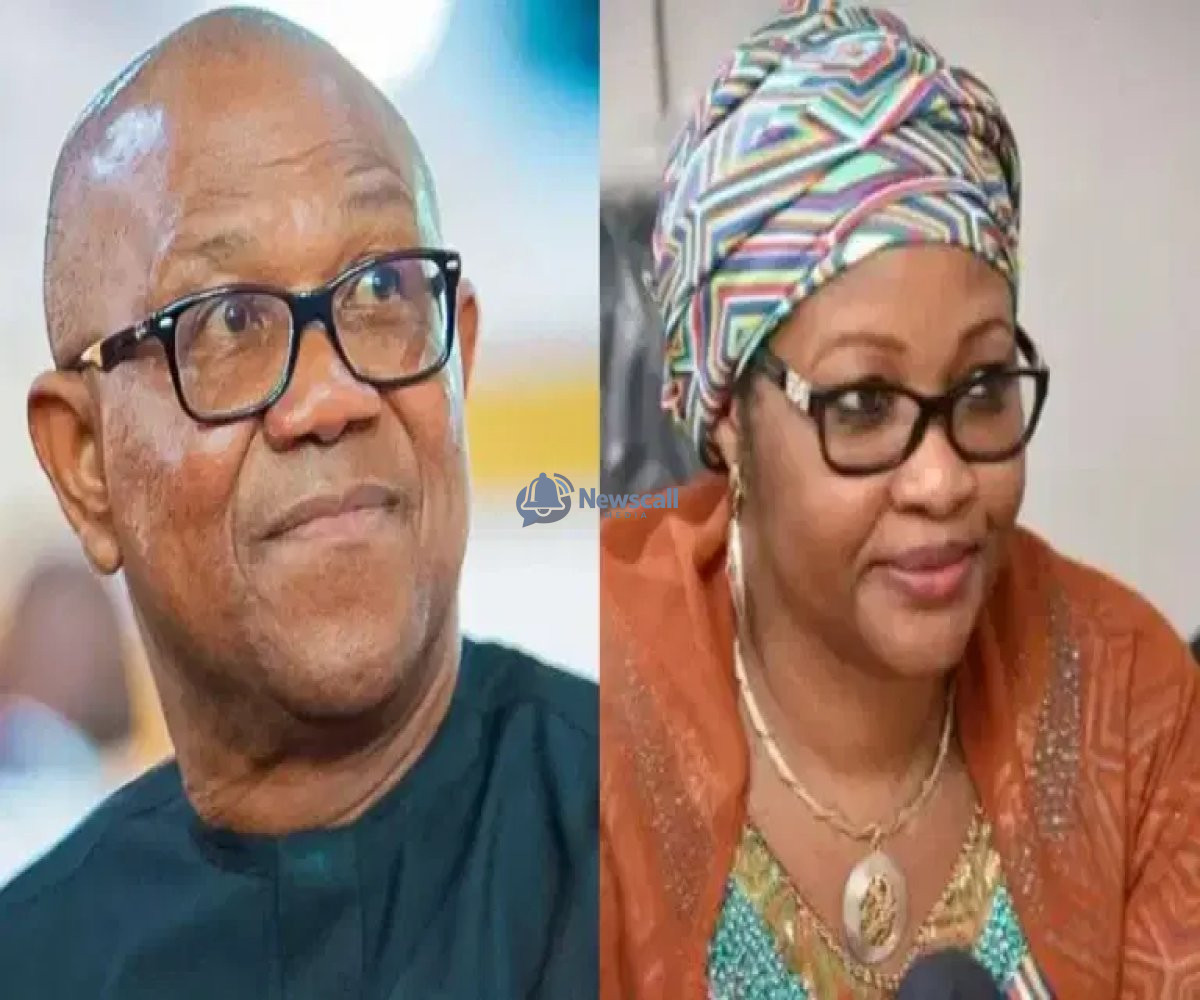


Anybody Who Wants War, We’ll Go to War’ — Peter Obi Unveils Security Strategy
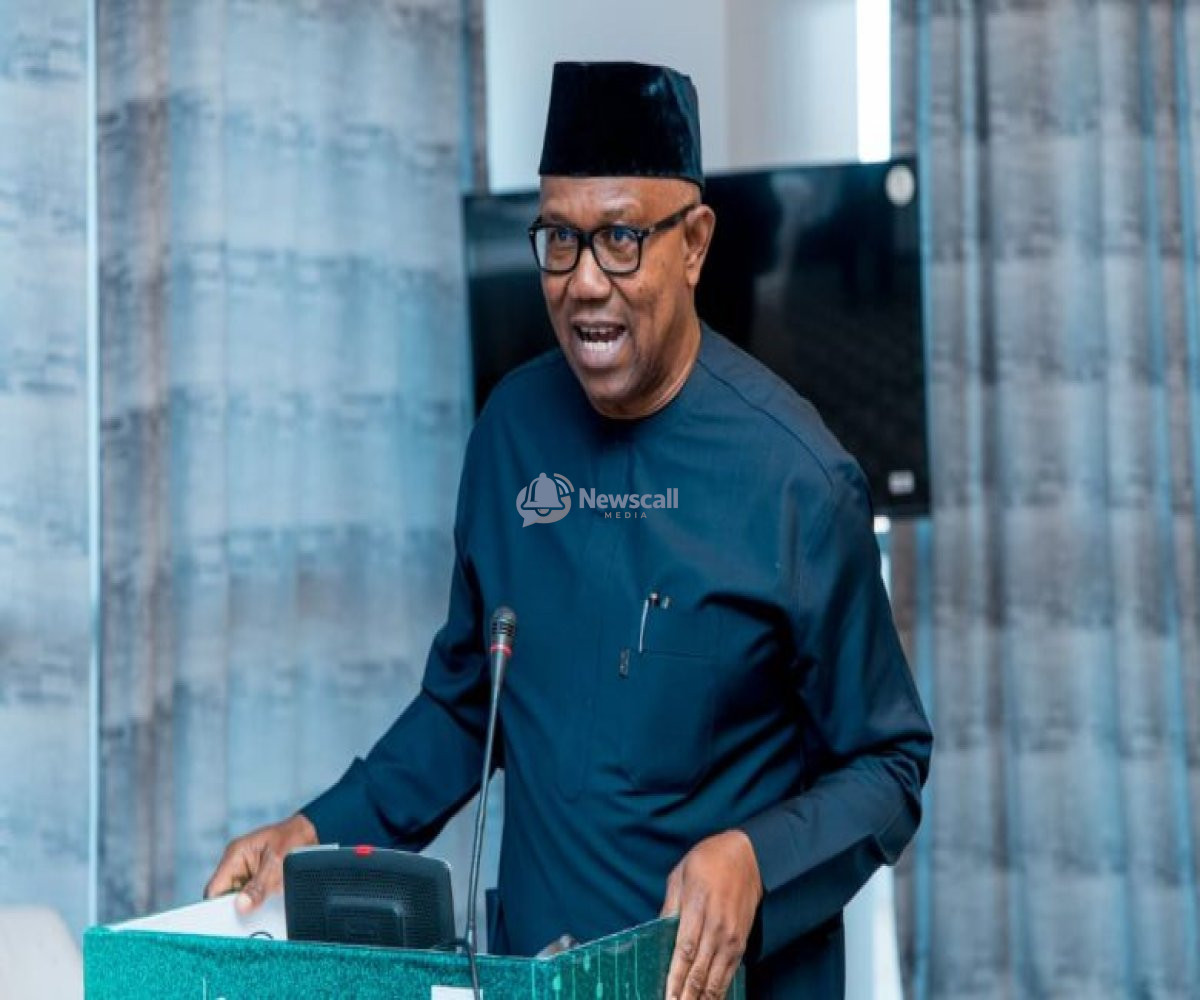
Anybody Who Wants War, We’ll Go to War’ — Peter Obi Unveils Security Strategy
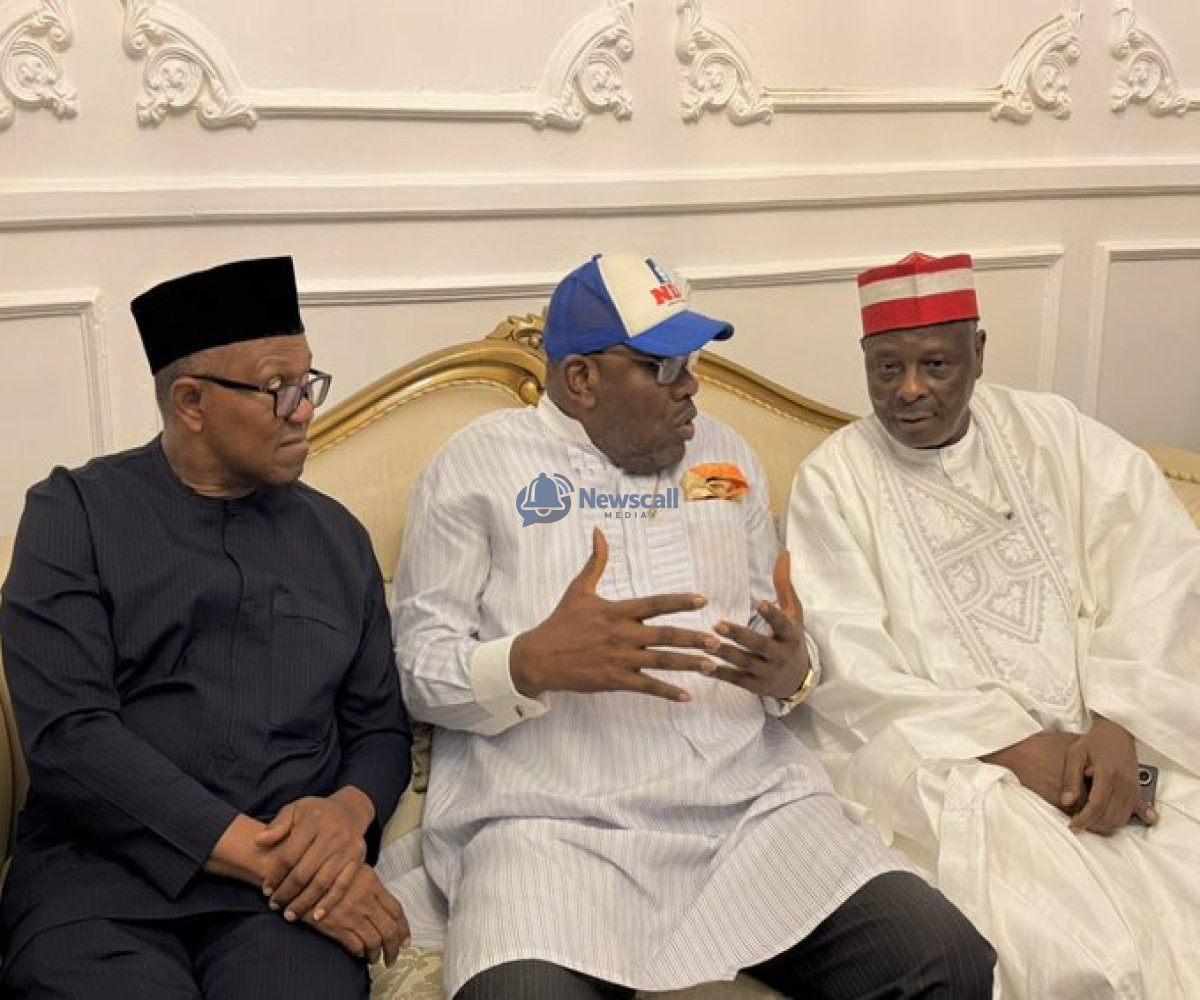
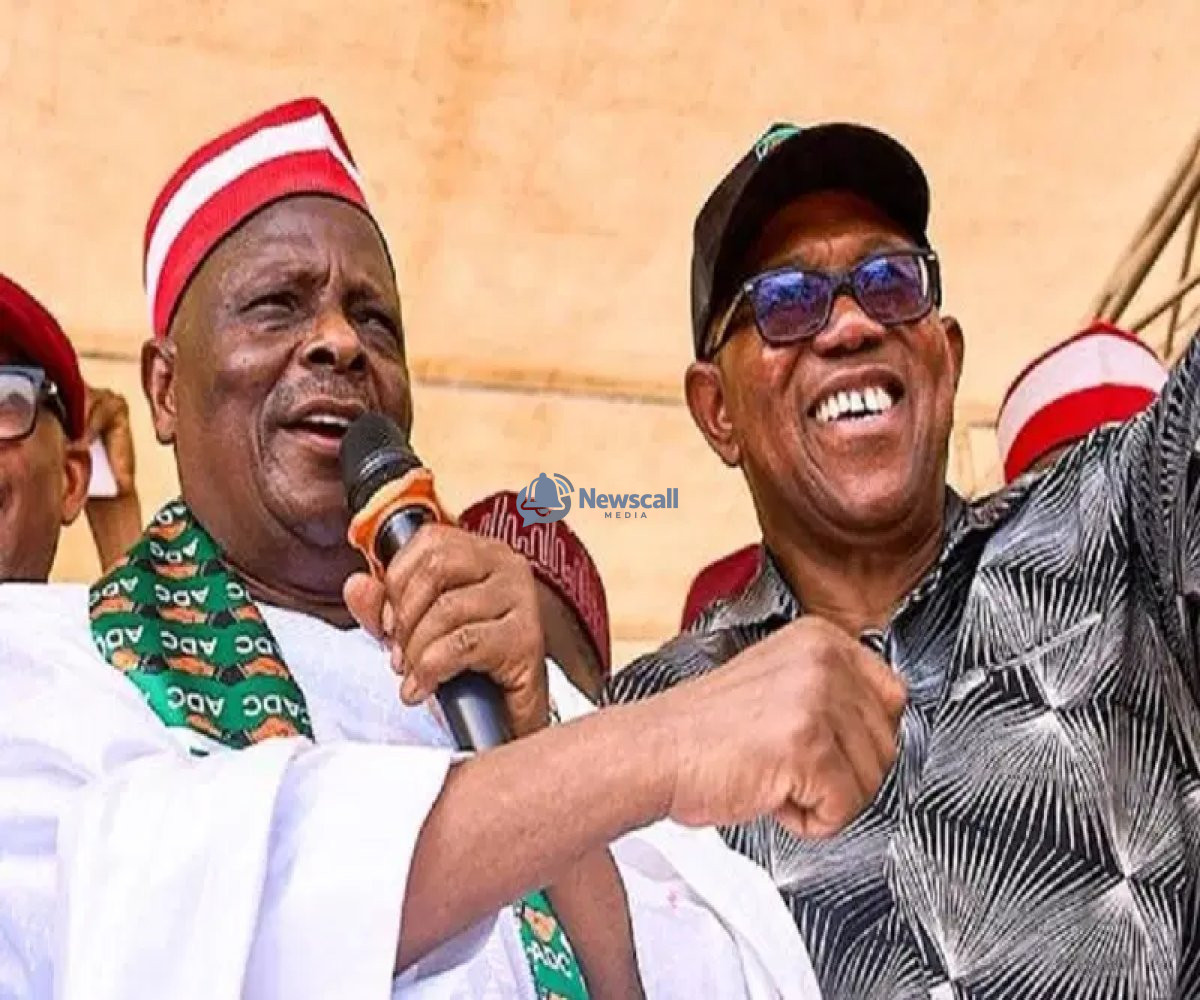
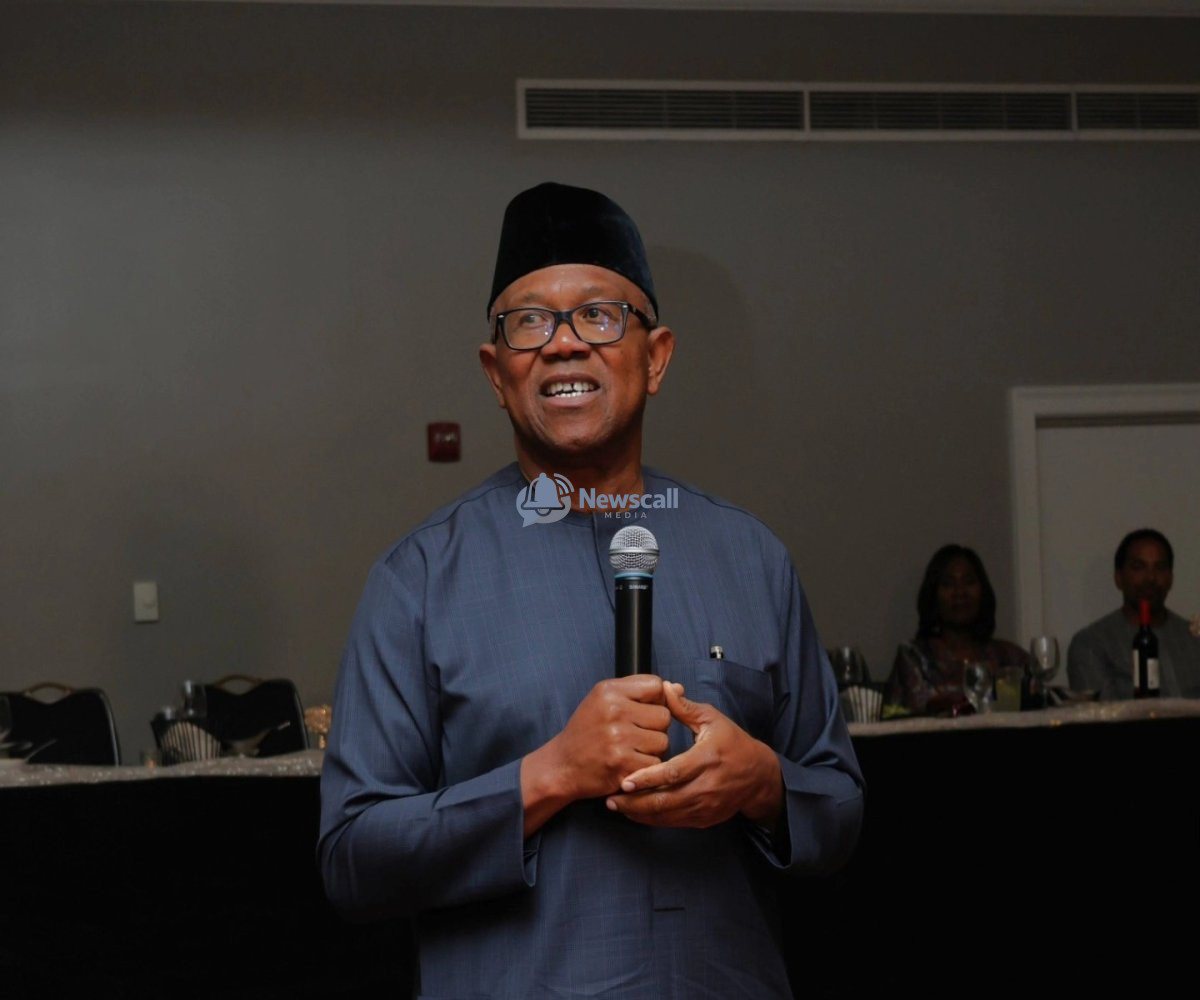
Labour Party’s 2023 presidential candidate and current Nigeria Democratic Congress (NDC) presidential aspirant, Peter Obi, has declared that his administration would take decisive action against individuals or groups seeking to destabilise Nigeria, while also extending a hand of dialogue to those willing to embrace peace.
Speaking during an interview on the Nevon HQ podcast hosted by broadcaster Rufai Oseni, Obi outlined his vision for tackling the country’s persistent security challenges, stressing that national unity and peace must remain non-negotiable.
Addressing concerns over rising insecurity across different parts of the country, the former Anambra State governor said effective leadership requires both compassion and firmness.
According to Obi, his approach would be guided by the willingness of stakeholders to pursue peaceful coexistence. He explained that groups with legitimate concerns would be engaged through dialogue and negotiations, while those determined to undermine national stability would face strict consequences.
"I’m going to talk with everybody. In uniting the country, anybody who wants peace, I will talk and negotiate with them. But anybody who wants war, we will go to war," Obi said during the interview.
He added that every Nigerian deserves an opportunity to contribute to nation-building, but warned that actions capable of threatening the country's peace and security would not be tolerated.
"If you want to be part of this New Nigeria we are trying to build, that is possible, we can be together, but if not, you will face the consequence of your action," he stated.
Obi also linked many of Nigeria’s security challenges to deeper issues of governance, exclusion and social injustice. He argued that lasting peace cannot be achieved solely through force, insisting that citizens must feel represented and treated fairly by the system.
The presidential hopeful maintained that a sense of belonging among citizens remains crucial to reducing tensions and addressing grievances that often fuel unrest.
"We have got to a point where we have to tell ourselves the truth. Nobody will be left behind. There will be inclusiveness. We will show love and care for everybody," he said.
Throughout the discussion, Obi emphasised that national development and security are closely connected. He argued that when governments provide opportunities, promote justice and ensure fairness, citizens are less likely to be drawn into activities that threaten public safety.
Nigeria continues to grapple with multiple security challenges, including banditry, kidnapping, terrorism, communal clashes and separatist agitations. These issues have remained central topics in national political conversations ahead of future elections.
Obi has consistently advocated a multi-dimensional approach to security, arguing that military operations alone cannot solve the country's problems. Over the years, he has repeatedly called for improved governance, economic reforms, job creation and stronger institutions as essential components of any long-term security strategy.
His latest comments reflect a position that combines dialogue with enforcement — a strategy aimed at encouraging reconciliation while maintaining the authority of the state against those who choose violence.
The remarks also come at a time when Nigerians continue to demand practical solutions to insecurity, economic hardship and governance challenges affecting daily life across the country.
Peter Obi's latest remarks underscore his belief that peace, inclusion and justice must form the foundation of Nigeria's future. While pledging to engage groups willing to pursue dialogue, he also made it clear that any threat to national stability would be met with firm action.
As political conversations ahead of future elections gather momentum, debates over how best to secure the country and restore public confidence are expected to remain at the forefront of national discourse.

Nwekwe Esther Amarachukwu
Public speaker,Research-driven writer covering politics and public affairs, committed to accuracy, and meaningful public discourse.