

Atiku Calls For Accountability Over Federal Government’s Planned ₦4tn Power Sector Debt Intervention
Atiku Calls For Accountability Over Federal Government’s Planned ₦4tn Power Sector Debt Intervention
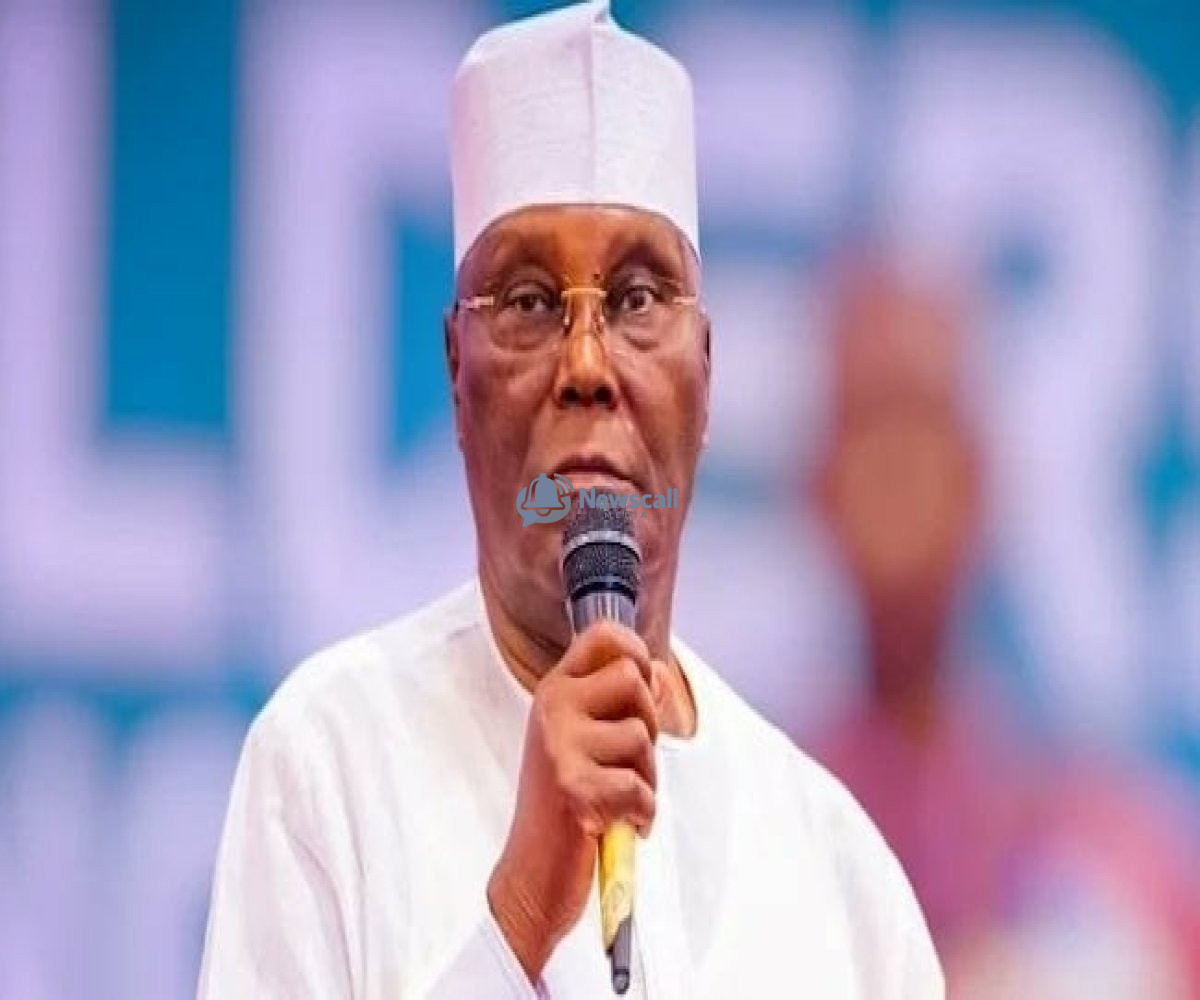
Former Vice President and presidential candidate of the African Democratic Congress (ADC), Atiku Abubakar, has raised concerns over the Federal Government’s latest plan to mobilise approximately ₦4 trillion to address outstanding debts in Nigeria’s power sector.
Atiku described the move as a signal of deeper fiscal concerns and questioned the continued introduction of large-scale funding interventions without what he called adequate public disclosure on previous allocations and outcomes.
His comments were conveyed through a statement issued by his Senior Special Assistant on Public Communication, Phrank Shaibu.
Reacting to the proposed debt intervention, Atiku argued that Nigerians deserve a clearer explanation regarding repeated government-backed financial programmes introduced to resolve challenges within the electricity market.
According to him, multiple debt-clearing initiatives over the years have been announced with promises of stabilising electricity supply, restoring market confidence, and improving liquidity across the sector. Yet, he maintained that visible improvements remain limited.
The former Vice President pointed to earlier interventions as examples of recurring financial commitments.
He referenced the unveiling of a ₦590 billion power sector bond in December 2025, alongside another reported ₦501 billion subscription linked to efforts aimed at reducing sector liabilities.
Atiku also highlighted the Federal Government’s approval of a separate ₦3.3 trillion intervention announced earlier in 2026 to settle outstanding obligations within the industry.
Despite these measures, he argued that concerns persist regarding the actual impact of the funds.
His position gained additional urgency following remarks reportedly attributed to the Association of Power Generation Companies suggesting that unresolved debts remain a major issue despite earlier government interventions.
Against this backdrop, Atiku questioned whether previous funding programmes had achieved their stated objectives.
He called for comprehensive disclosure on all debt settlement mechanisms implemented so far, including how funds were sourced, allocated, and applied across the power value chain.
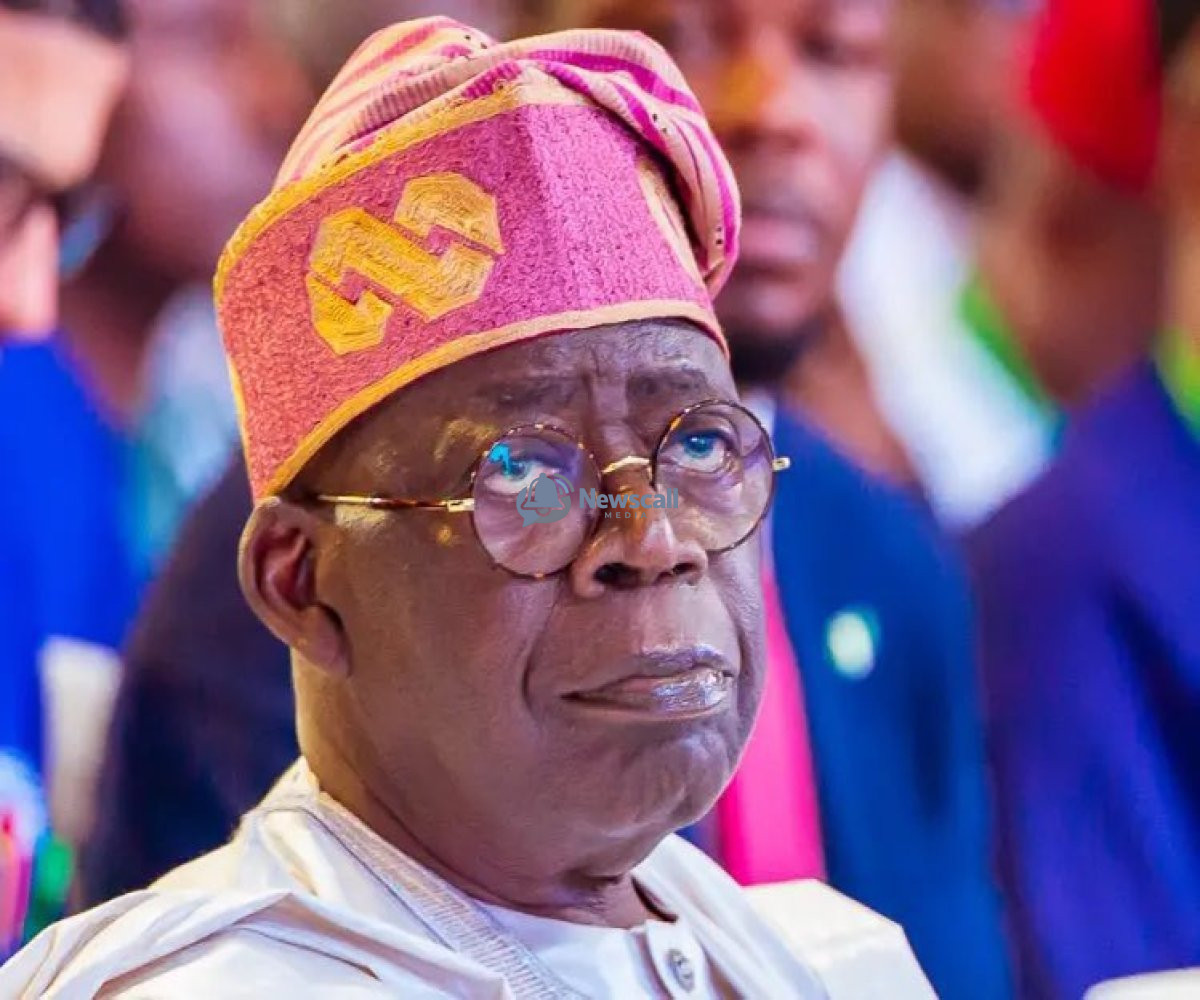
The former Vice President also referred to President Bola Ahmed Tinubu’s June 12 Democracy Day address, where the administration presented another debt-clearing proposal as part of broader reforms intended to strengthen the electricity sector.
According to Atiku, democratic governance requires openness in public financial management.
He maintained that introducing additional borrowing or debt instruments without first presenting a detailed account of earlier interventions risks weakening public confidence.
He insisted that before new obligations are created, the government should publish information showing total funds raised, payments already made, beneficiaries involved, liabilities settled, and obligations that remain outstanding.
Atiku further argued that unresolved inefficiencies in the electricity market continue to affect businesses and households, many of which already face increasing operating costs and unreliable energy supply.
Nigeria’s power sector has remained one of the country’s most financially challenged industries despite years of reforms, investments, and policy interventions.
Debt accumulation across generation, transmission, and distribution segments has repeatedly triggered government rescue packages intended to sustain operations and prevent market collapse.
However, recurring interventions have also intensified debates about transparency, sustainability, and whether financial injections alone can solve structural problems affecting electricity delivery.
As energy costs continue to influence economic growth and household welfare, questions around accountability in sector financing remain politically and economically significant.
Atiku’s remarks have added a fresh layer of scrutiny to the Federal Government’s latest power sector financing plans.
While the administration positions the intervention as part of efforts to stabilise electricity supply and clear inherited obligations, critics argue that transparency must come before additional borrowing.
As discussions continue, public attention is likely to focus not only on how much money is being raised—but whether previous interventions produced the outcomes Nigerians were promised.

Nwekwe Esther Amarachukwu
Public speaker,Research-driven writer covering politics and public affairs, committed to accuracy, and meaningful public discourse.