

Oshiomhole Alleges Bias from Akpabio, Signals Growing Unease Within Senate Leadership
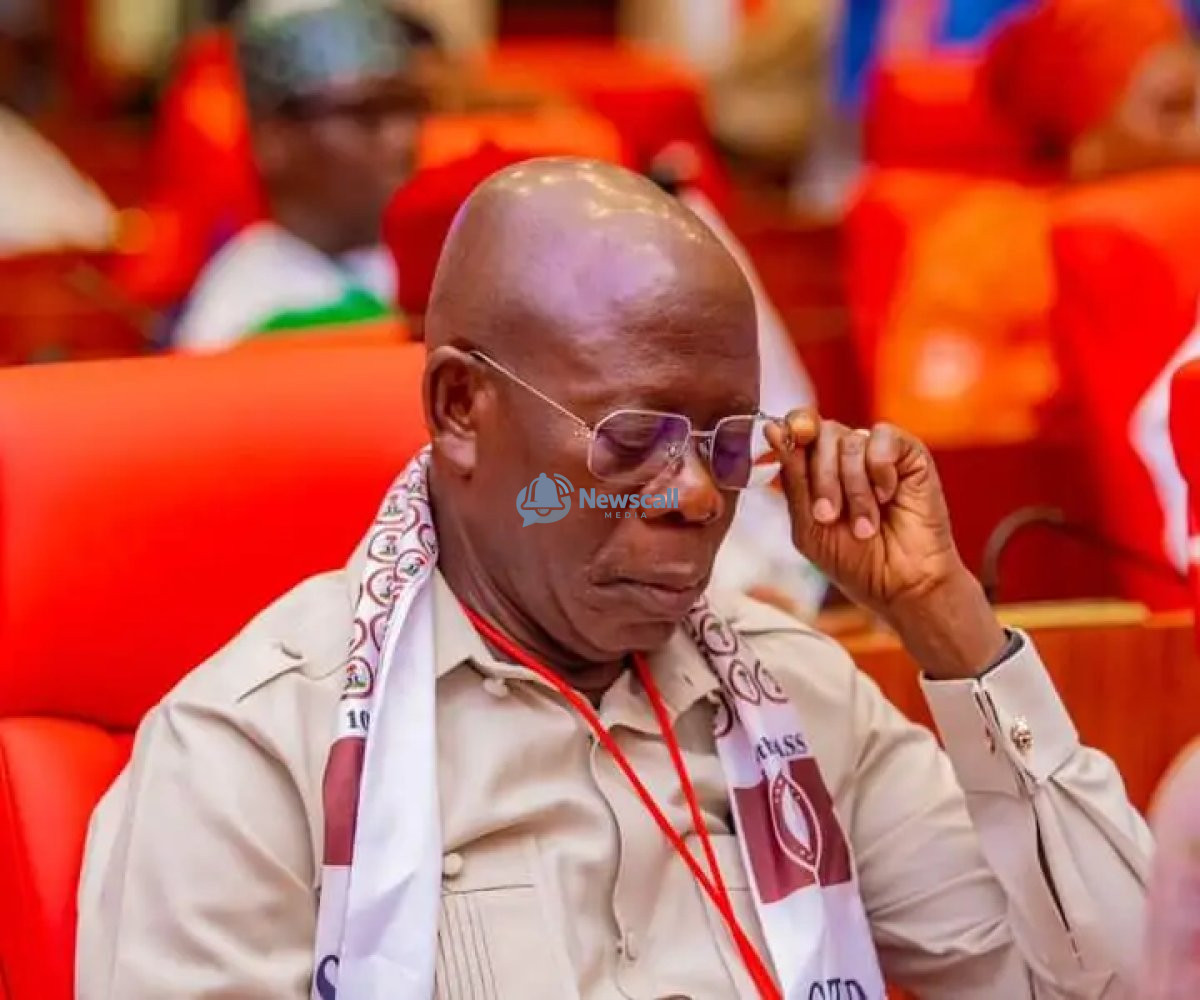
Oshiomhole Alleges Bias from Akpabio, Signals Growing Unease Within Senate Leadership
Fresh cracks appear to be emerging within Nigeria’s upper legislative chamber as Senator Adams Oshiomhole publicly accused Senate President Godswill Akpabio of treating him with suspicion and displaying personal bias against him.
Speaking during an interview on MIC ON PODCAST, the senator representing Edo North claimed that his relationship with the Senate leadership has become increasingly strained despite what he described as his longstanding contributions to the ruling political structure and the electoral success that produced the current administration.
His remarks come at a sensitive period for the Senate, following controversy surrounding his recent criticism of the Nigerian National Petroleum Company Limited (NNPCL).
Oshiomhole, a former governor of Edo State and one of the founding figures of the All Progressives Congress (APC), reflected on his role during the last general election cycle.
According to him, he served as Deputy Director-General of President Bola Tinubu’s campaign council and actively worked toward the party’s electoral success.
However, he argued that his efforts have not translated into trust within the Senate leadership.
In his remarks, Oshiomhole suggested that Senate President Akpabio has developed what he described as an unnecessary suspicion toward his activities and interactions within the chamber.
He alleged that the Senate President interprets routine political engagements as attempts to undermine his authority.
To support his claim, Oshiomhole narrated an incident involving Senator Abdulaziz Yari.
According to him, Yari had approached the Senate President seeking appointment as Vice-Chairman of the Senate Committee on Interior, which Oshiomhole currently chairs.
Oshiomhole claimed the request was allegedly interpreted as an attempt to form an alliance against the Senate leadership.
He dismissed such concerns and portrayed them as exaggerated political assumptions.
Beyond personal grievances, the senator projected that future leadership arrangements in the Senate may look significantly different.
He argued that dissatisfaction among lawmakers has become more noticeable and hinted that internal conversations suggest growing concern over leadership style and decision-making patterns.
At the same time, Oshiomhole maintained that he remains focused on his legislative responsibilities and delivering results for his constituents rather than engaging in power struggles.
The comments arrive shortly after another controversy involving the senator’s remarks about the NNPCL.
Earlier, Oshiomhole had criticised the national oil company in unusually strong language, drawing public attention and triggering institutional distancing.
In response, the Senate clarified that his statements represented personal opinions and not the official position of the Red Chamber.
The chamber also adopted a resolution reinforcing procedures surrounding committee authority and legislative actions, especially regarding reports connected to attempts to compel appearances before Senate panels.
The development followed reports involving the Senate Committee on Public Accounts and discussions around former NNPCL Group Chief Executive Officer, Mele Kyari.
Attempts to obtain an official reaction from the Senate President’s media office did not produce a response at the time the original report was filed.
Political disagreements inside legislative institutions are not unusual, but public exchanges between influential senators often attract attention because of their implications for governance and party stability.
As Senate President, Akpabio occupies one of Nigeria’s most influential political offices and plays a central role in shaping legislative priorities.
Oshiomhole, on the other hand, remains a prominent political figure with a history of executive leadership, party organisation, and national influence.
When concerns over trust, leadership style, and internal alignment become public, they can raise questions about cohesion within the Senate and affect perceptions of political stability.
The comments also reflect broader debates around independence within legislative institutions and how internal disagreements are managed.
For now, the disagreement remains political rather than procedural. But Oshiomhole’s unusually direct remarks have opened a rare window into tensions inside the Senate.
Whether the concerns fade quietly or become part of a larger debate over leadership in the National Assembly may depend on how lawmakers respond in the months ahead.
What is clear is that beneath the formal proceedings of the chamber, conversations about influence, trust, and power continue to shape the atmosphere of Nigeria’s legislative politics.

Nwekwe Esther Amarachukwu
Public speaker,Research-driven writer covering politics and public affairs, committed to accuracy, and meaningful public discourse.