

FG Screens 400 Nigerians for Evacuation from South Africa Amid Rising Xenophobic Tensions

FG Screens 400 Nigerians for Evacuation from South Africa Amid Rising Xenophobic Tensions
The Federal Government has begun screening Nigerians seeking voluntary return from South Africa as fears grow over a fresh wave of xenophobic tensions targeting foreign nationals.
The exercise, currently underway at the Nigerian High Commission in Pretoria, marks the first stage of a repatriation programme designed to assist Nigerians who wish to leave South Africa following escalating anti-immigration protests. Officials say approximately 400 Nigerians are being processed in the initial phase, with thousands more expected to register in the coming weeks.
The screening exercise follows a special evacuation initiative announced by the Federal Government in response to growing concerns about the safety of Nigerians living in South Africa.
According to information released by the Nigerian mission in Pretoria, the screening process will continue through the weekend as authorities compile the list of citizens eligible for repatriation.
In a move aimed at encouraging participation, South African authorities have reportedly granted temporary waivers to individuals facing immigration-related challenges. The arrangement allows affected Nigerians to undergo screening without fear of arrest or detention.
The development comes against the backdrop of mounting anti-migrant demonstrations across several South African communities. What began as localized protests has evolved into a broader campaign by groups demanding stricter action against undocumented migrants.
Tensions intensified after anti-immigration activists reportedly issued a June 30 deadline for undocumented foreigners to leave the country. The ultimatum sparked widespread anxiety among migrant communities, triggering emergency responses from several African governments.
Nigeria is expected to facilitate the return of between 2,000 and 4,000 citizens under the programme. Other African nations have also begun taking action. Ghana has commenced evacuation efforts for its nationals, while Mozambique has already repatriated hundreds of citizens and indicated readiness to bring back more if conditions worsen.
Accounts emerging from affected communities paint a troubling picture. Displaced migrants have reported fleeing their homes and seeking shelter in community centres. Some said they spent days hiding in remote areas before finding safety.
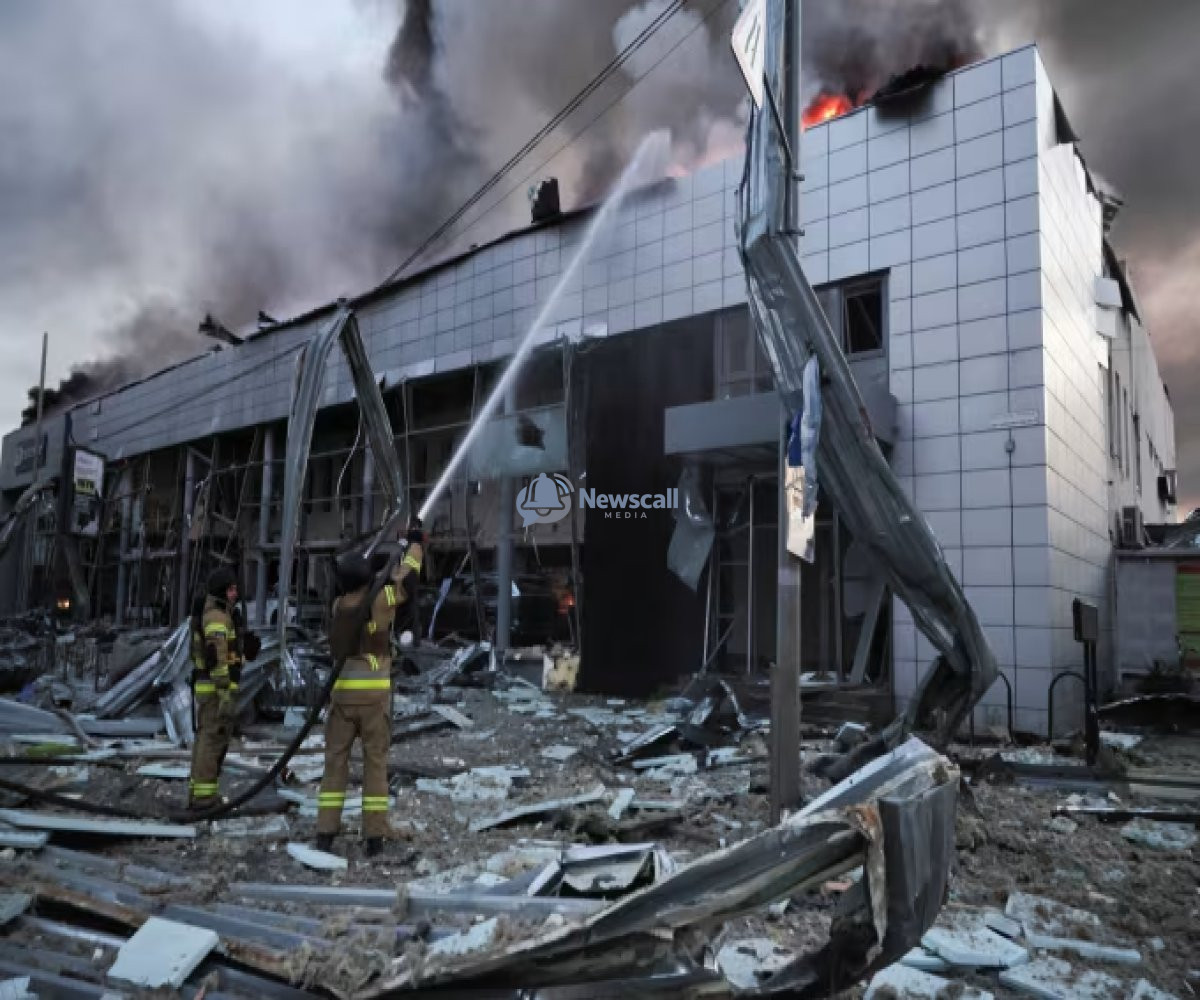
The situation took a more alarming turn in Mossel Bay, where violent protests led to the destruction of informal structures occupied by migrants. The unrest further heightened fears among foreign residents already concerned about their security.
South African police confirmed that two Mozambican nationals were killed in incidents linked to the demonstrations, marking the first reported fatalities associated with the latest wave of anti-migrant unrest.
Authorities say some protest groups have accused undocumented foreigners of contributing to unemployment, criminal activity and pressure on public services. Reports from several communities indicate that demonstrators have conducted patrols demanding the departure of migrants, raising concerns about intimidation and vigilantism.
Responding to the developments, security officials warned that law enforcement agencies would act against any individual or group attempting to take the law into their own hands.
South Africa has experienced periodic outbreaks of xenophobic violence over the past two decades, often fueled by economic hardship, unemployment and competition for limited opportunities.
Foreign nationals, particularly migrants from other African countries, have frequently become targets during periods of social and economic tension. The latest protests have reignited concerns about the protection of migrant communities and the potential for further instability if tensions remain unresolved.
For Nigeria, the situation carries significant diplomatic and humanitarian implications. Thousands of Nigerians reside in South Africa for business, education and employment, making their safety a priority for both governments.
As the screening exercise continues, Nigerian authorities are closely monitoring developments while preparing for a potentially larger evacuation operation. With tensions showing few signs of easing and fears spreading among migrant communities, the coming weeks may prove critical for thousands of Nigerians weighing the difficult decision of whether to remain in South Africa or return home.
For now, the screening centres in Pretoria represent more than an administrative process—they have become a lifeline for citizens seeking certainty amid growing uncertainty.

Nwekwe Esther Amarachukwu
Public speaker,Research-driven writer covering politics and public affairs, committed to accuracy, and meaningful public discourse.