

Germany in Crisis: Energy Shock and Economic Strain
Germany is facing its gravest economic crisis in years: business sentiment has plunged to its lowest since the pandemic, growth forecasts have been halved, and inflation is rising sharply as the Iran war drives up energy costs. Europe’s largest economy, once the continent’s growth engine, is now sputtering under the weight of soaring oil and gas prices.
The Economic Shock
- Business Sentiment: Germany’s Ifo business climate index fell to 84.4 in April 2026, its lowest reading since 2020.
- Growth Forecasts: The government slashed its GDP growth outlook for 2026 from 1.0% to 0.5%, and for 2027 from 1.3% to 0.9%.
- Inflation: Projected to rise to 2.7% in 2026 and 2.8% in 2027, driven by surging energy prices.
- Energy Dependence: Gas storage is at just 30% capacity, leaving Germany vulnerable to supply disruptions.
Causes of the Crisis
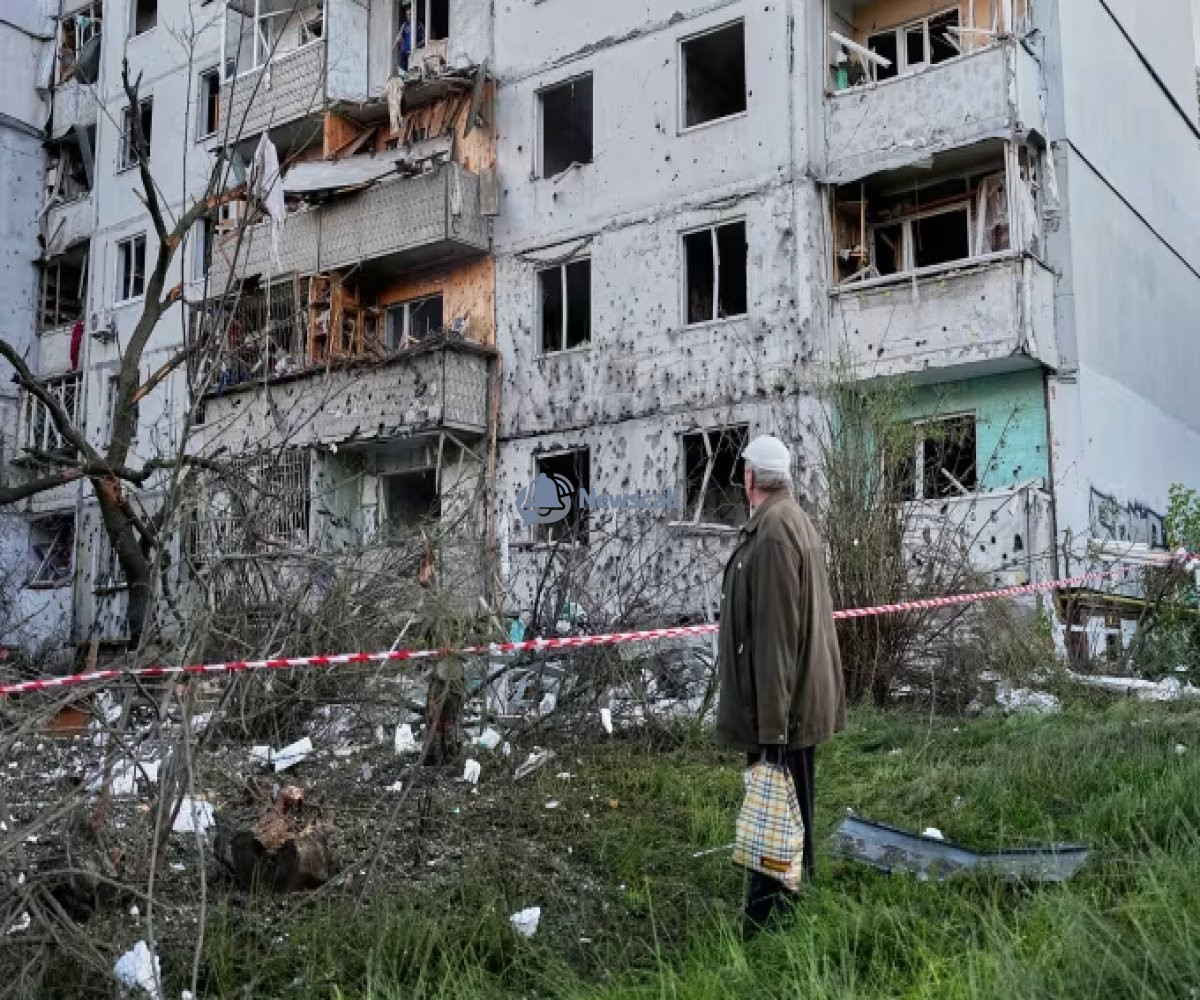
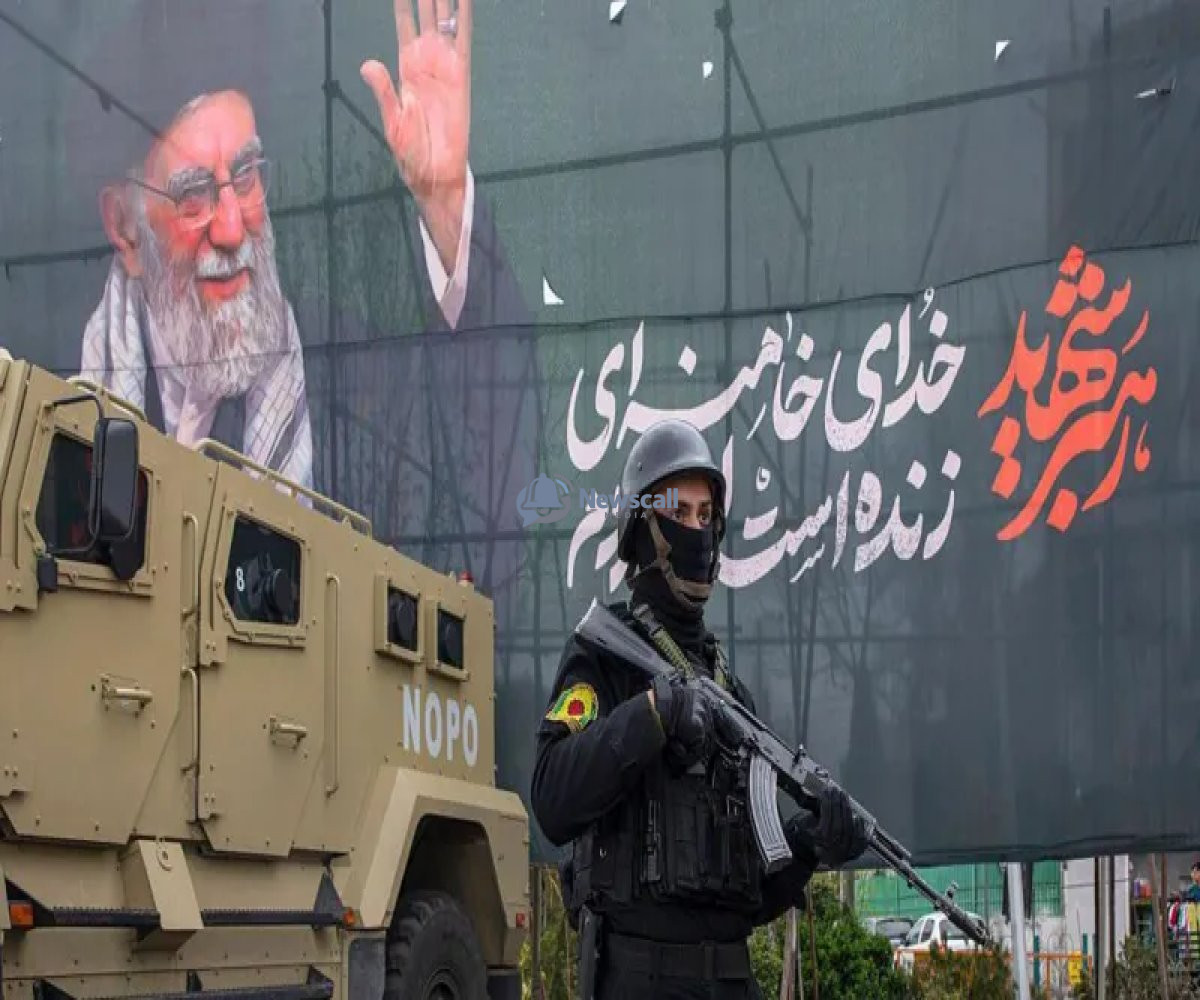
- Iran War Fallout: The closure of the Strait of Hormuz and suspension of Qatari LNG shipments have triggered a European energy crunch.
- Supply Chain Strains: Rising oil and gas costs are hammering manufacturers, particularly in Germany’s export-heavy industries.
- Borrowing Costs: Higher international interest rates since the conflict erupted have added pressure on German businesses.
Political and Social Impact
- Chancellor Friedrich Merz’s government faces mounting criticism as households struggle with rising bills and inflation.
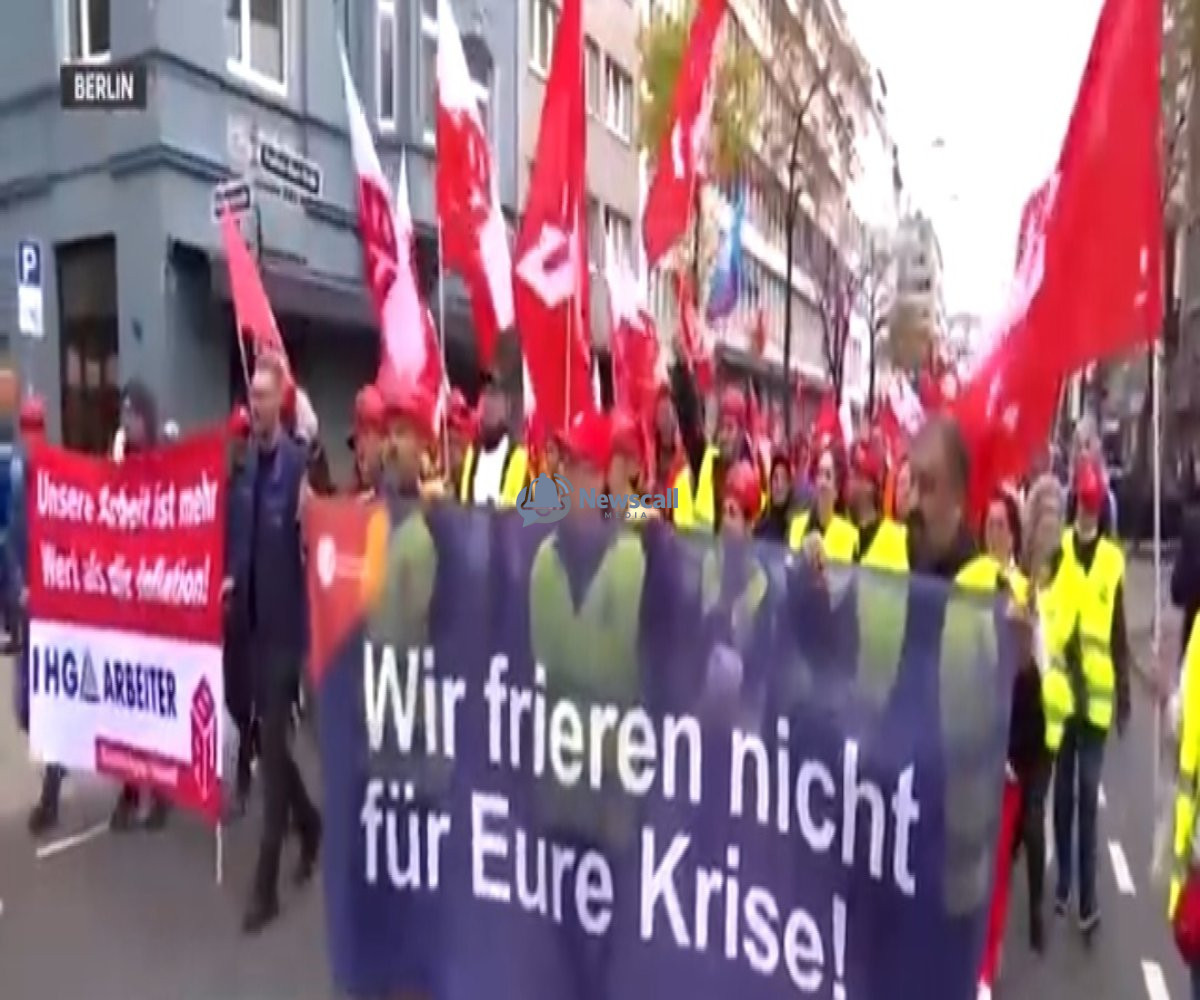
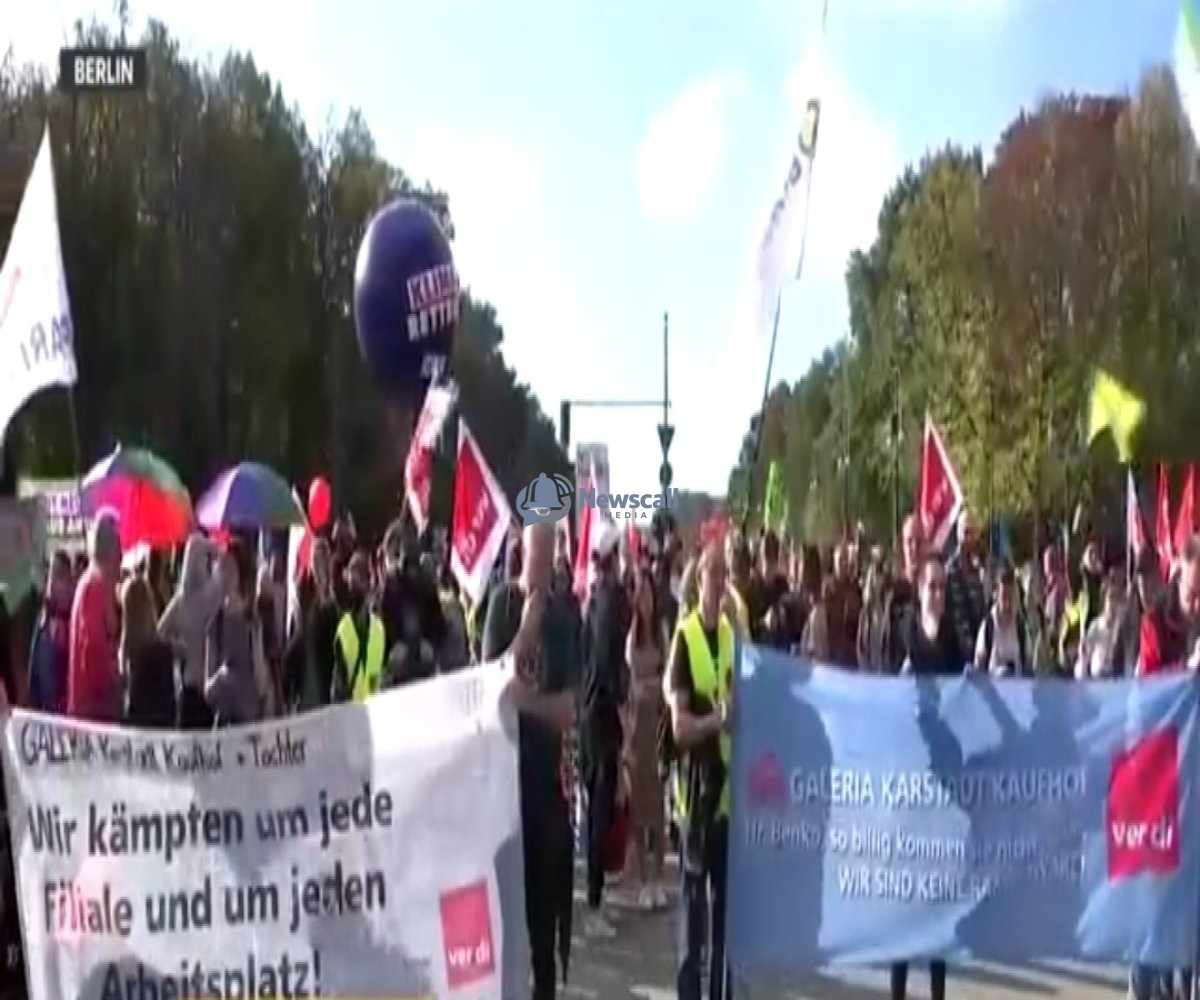
- Protests have erupted in Berlin, Munich, and Hamburg, with citizens demanding relief from soaring energy costs.
- The government’s fiscal stimulus package—focused on defense and infrastructure—is now seen as vital to cushioning the blow.
The Human Dimension
- Households: Families are cutting back on essentials as heating and electricity bills soar.
- Businesses: Insolvencies rose 17% in March 2026 compared with the previous month, reflecting the strain on small and medium enterprises.
- Workers: Employment subject to social security contributions has declined, and unemployment shows no signs of improving.
Conclusion
Germany’s crisis is not just economic—it is existential. The nation that once powered Europe’s recovery now finds itself at the mercy of global energy shocks and geopolitical turmoil. With growth halved, inflation rising, and public anger mounting, the question is whether Germany can weather this storm—or whether the crisis will reshape Europe’s economic balance for years to come.

OKORO WILSON EGWU
“Independent journalist delivering sharp, reporting on global conflicts, humanitarian crises, and international diplomacy. Known for transforming complex world events into...