Artemis II: Humanity Returns to the Moon’s Doorstep
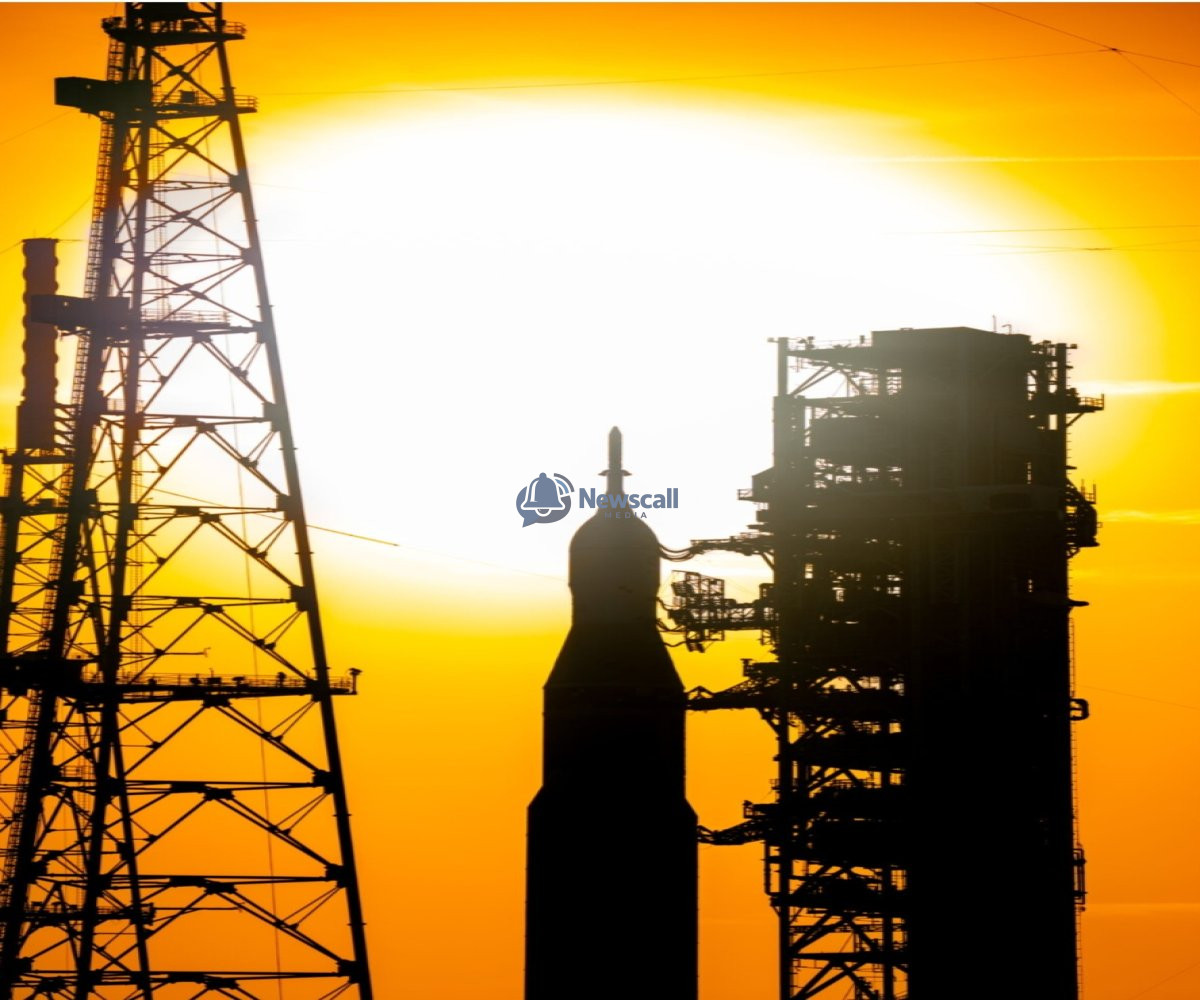
NASA’s Artemis II mission has just completed its historic 10‑day journey around the Moon, marking the first crewed lunar flight since Apollo 17 in 1972. The four astronauts splashed down safely in the Pacific Ocean on April 10, 2026, after traveling over 800,000 km and setting records for distance and speed.
The Mission
- Launch: April 1, 2026, from Kennedy Space Center aboard NASA’s Space Launch System (SLS).
- Crew: Commander Reid Wiseman, Pilot Victor Glover, Mission Specialist Christina Koch, and Canadian astronaut Jeremy Hansen.
- Spacecraft: Orion capsule Integrity, powered by the European Service Module.
- Objective: A 10‑day flight around the Moon to validate systems for future lunar landings.
Highlights of the Journey
- Translunar Injection Burn: Orion’s AJ10 engine fired for nearly six minutes, sending the crew on a free‑return trajectory to the Moon.
- Lunar Flyby: On April 6, Orion passed just 6,545 km above the lunar surface, capturing breathtaking images of both the near and far sides.
- Record Distance: The crew reached 406,771 km from Earth, breaking Apollo 13’s record for the most distant human spaceflight.
- Earth Views: The astronauts shared stunning photographs of Earth shrinking in the distance, including a widely celebrated Earth Day image titled Hello, World.
Scientific and Strategic Importance
- System Validation: Artemis II tested Orion’s life support, navigation, and heat shield under deep‑space conditions.
- International Collaboration: The mission showcased contributions from the European Space Agency and Canada, reinforcing Artemis as a global program.
- Future Plans: Artemis III, scheduled for 2028, aims to land astronauts on the lunar surface, paving the way for a permanent lunar base and eventual Mars missions.
The Return
- Splashdown: April 10, 2026, off the coast of San Diego, California. Orion reentered Earth’s atmosphere at 38,000 km/h—the fastest crewed reentry since Apollo.
- Recovery: U.S. Navy teams retrieved the capsule and airlifted the astronauts to safety. Victor Glover gave a thumbs‑up, while Christina Koch waved to cameras, embodying the triumph of the mission.
Conclusion
Artemis II is more than a technical success—it is a symbolic leap back into deep space. For the first time in over half a century, humanity has orbited the Moon, rekindling the spirit of exploration. With Artemis III on the horizon, the dream of a sustained human presence on the lunar surface—and eventually Mars—feels closer than ever.

OKORO WILSON EGWU
“Independent journalist delivering sharp, reporting on global conflicts, humanitarian crises, and international diplomacy. Known for transforming complex world events into...