

Inside Iran’s Fight Over a Deal with the US: Hardliners Are Furious, but the Regime Holds All the Cards.
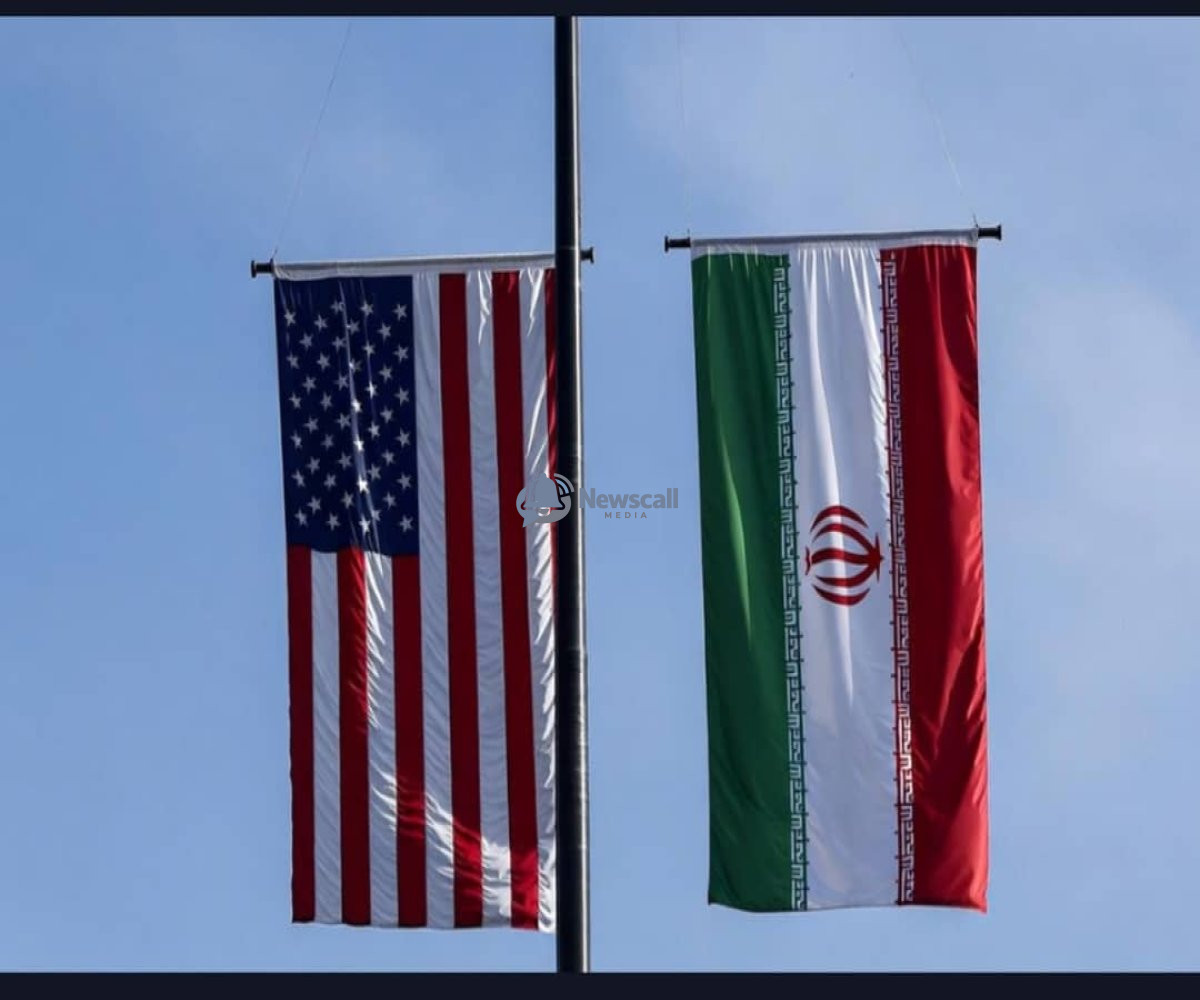
If you’ve been following the US-Iran situation, you know they’ve been inching toward some kind of agreement after more than three months of conflict. But not everyone in Iran is happy about it. Not even close.
Hardliners there are furious. They’ve been using state media to blast the rumored terms of the “memorandum of understanding.” At some rallies, people have even started chanting against their own negotiators. Still, as much noise as they’re making, the regime is probably going to get the final word.
President Trump who turns 80 on Sunday says that’s when the memo will be signed. Tehran hasn’t confirmed anything yet.
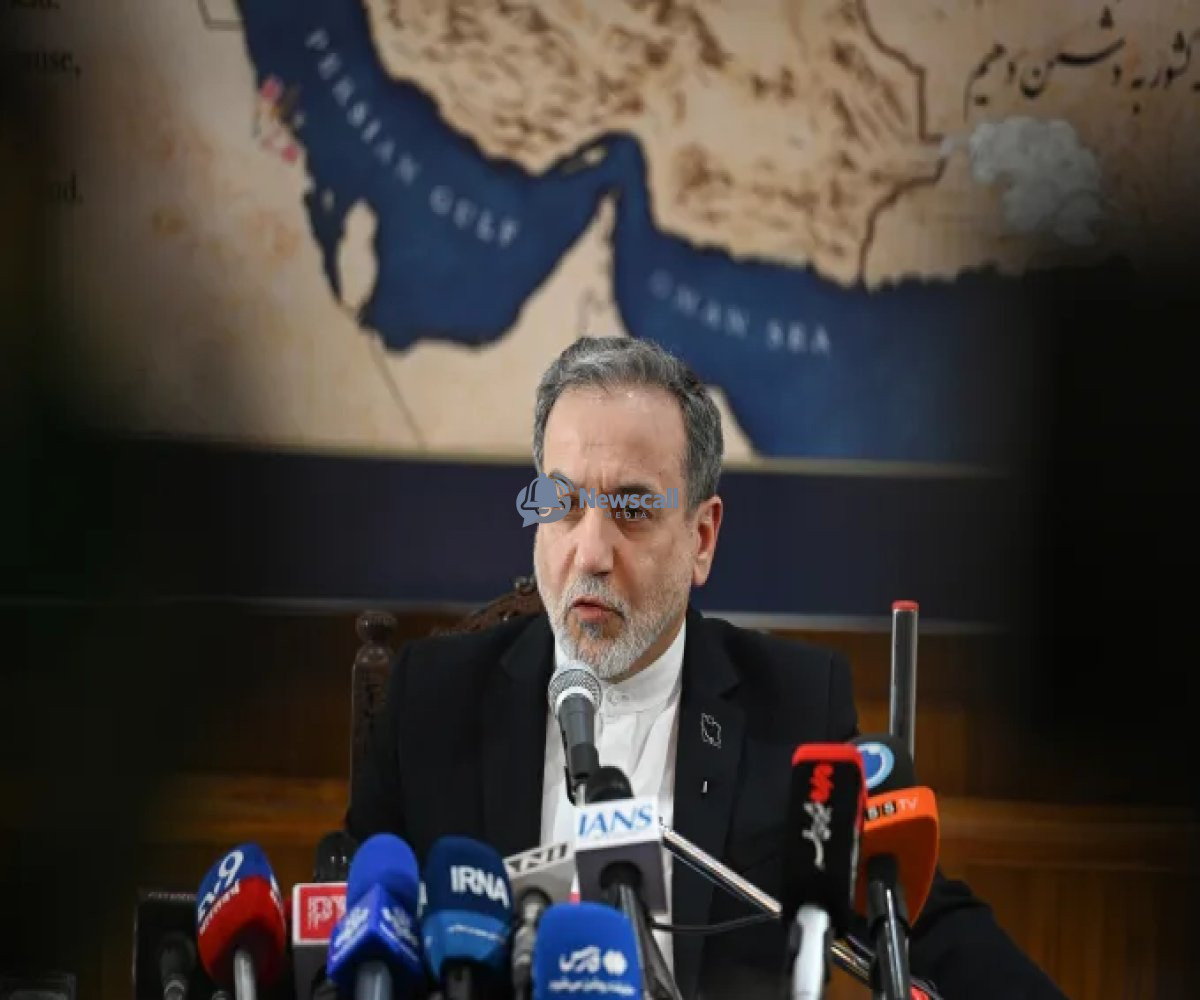
Most of the pushback is coming from a fringe group called the Endurance Front (Jebhe-ye Paydari). These guys see themselves as the true defenders of the 1979 revolution. One of their loudest voices, Mahmoud Nabavian, went on TV and said if Iran signs, “we will effectively become a colony of the United States.” He claims the deal would open the Strait of Hormuz even to Israel, and that Iran would need US permission just to enrich a tiny bit of uranium for medicine or electricity. He also says it’s unclear when Iran would actually see any sanctions relief or get its frozen assets back.
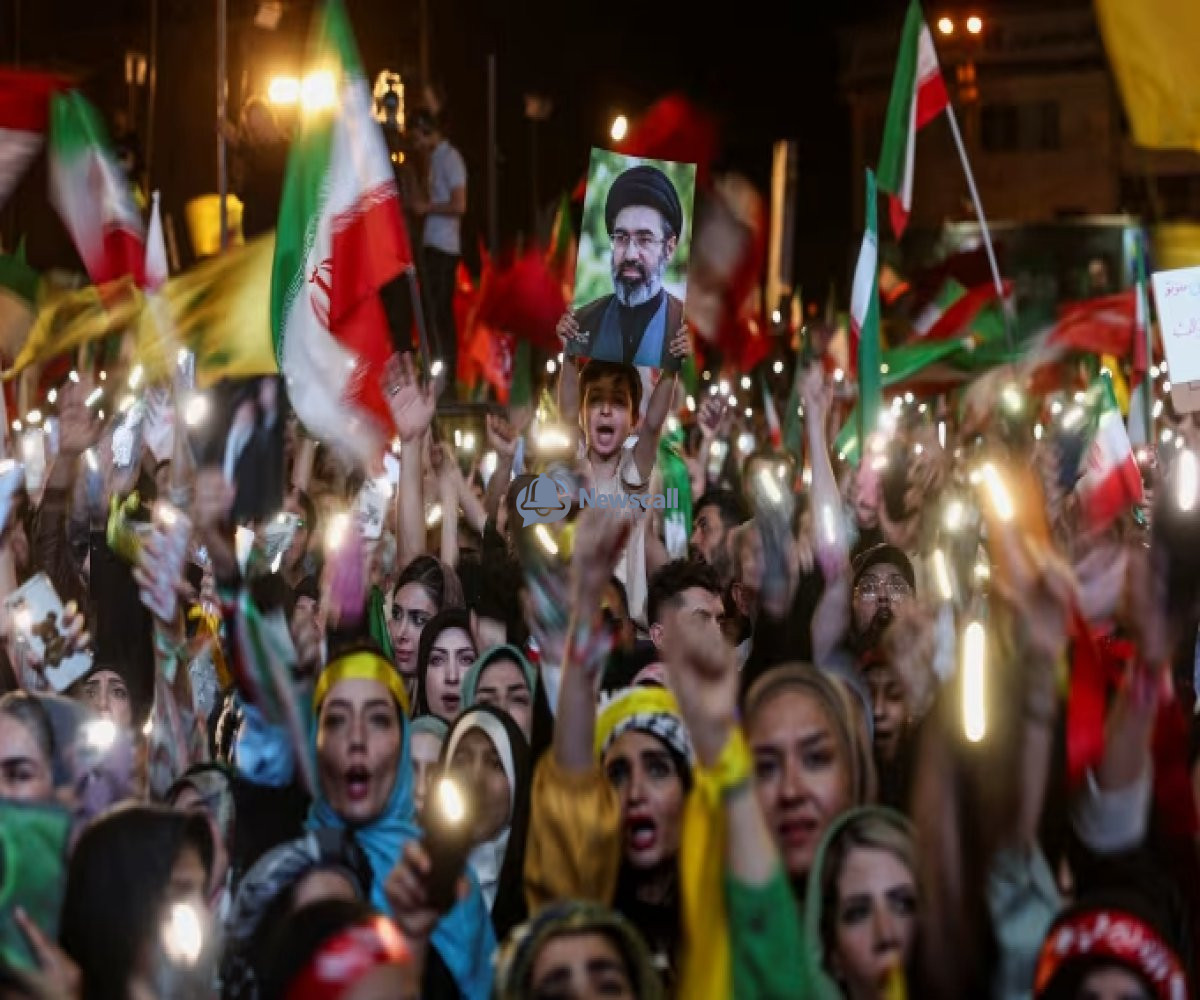
The hardliners are so fired up that they’ve organized a big protest for Sunday night outside the foreign ministry, directly targeting Iran’s top diplomat, Abbas Araghchi. At a rally in Tehran on Saturday, people were even demanding Araghchi and chief negotiator Mohammad Bagher Ghalibaf resign. Some protesters brought up the assassination of the previous Supreme Leader (Mojtaba Khamenei’s father) at the start of the conflict in February, shouting: “Ghalibaf, Araghchi what about my Leader’s blood?”
The supreme leader’s own social media accounts have tried to cool things down, reposting a message from March telling the media to stop focusing on weaknesses. A newspaper close to the IRGC warned that some speakers at rallies are ignoring Khamenei’s instructions and “acting to scatter the seeds of schism.”
But not everyone is against the deal. An official close to President Pezeshkian warned against creating “artificial narratives.” And even the semi-official Tasnim news agency said the “ugly insults” directed at officials over the weekend are completely unacceptable even if only a small group is doing it.
Look, opposition to a US deal has always existed inside Iran. The real question is whether these hardliners can actually stop the signing or sabotage future talks. The regime the supreme leader, president, military, foreign minister has been trying to show a united front. But core parts of the system, including state TV, old-school conservatives, and war victory protesters, are cranking up the pressure.
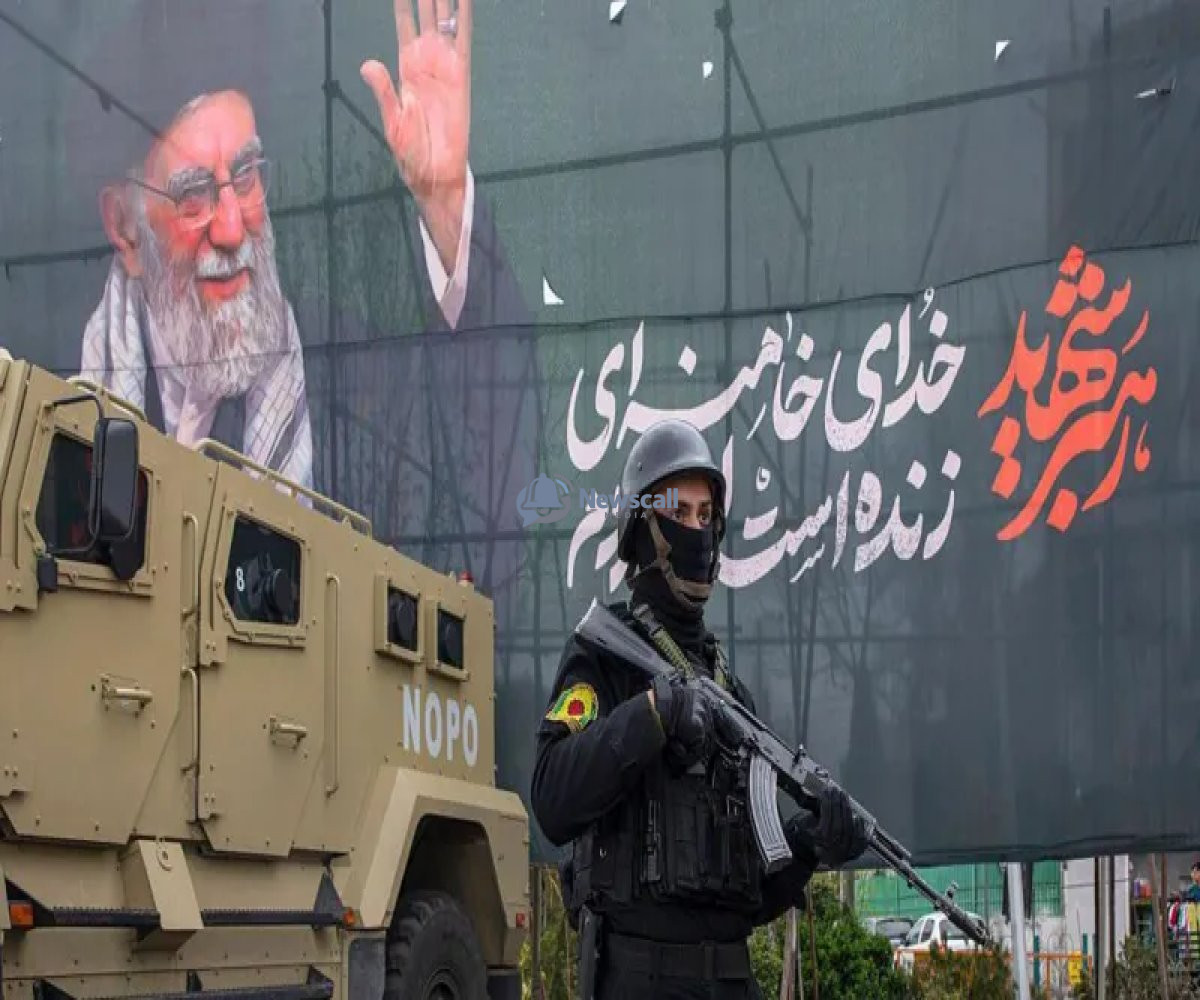
Here’s what makes Iran different from the cartoon version people often see: there’s a real, vibrant political debate. Different factions with their own media outlets are allowed to operate as long as they don’t challenge the supreme leader directly. And now, some are even daring to suggest that Mojtaba Khamenei himself has been tricked into blessing the deal.
Still, the regime remains in control. The dissent might be loud, even divisive. But at the end of the day, the decision rests with the same entrenched power structure that this war didn’t manage to destroy.

Umeanozie Prosper
Writer, Novelist,blogger, content creator