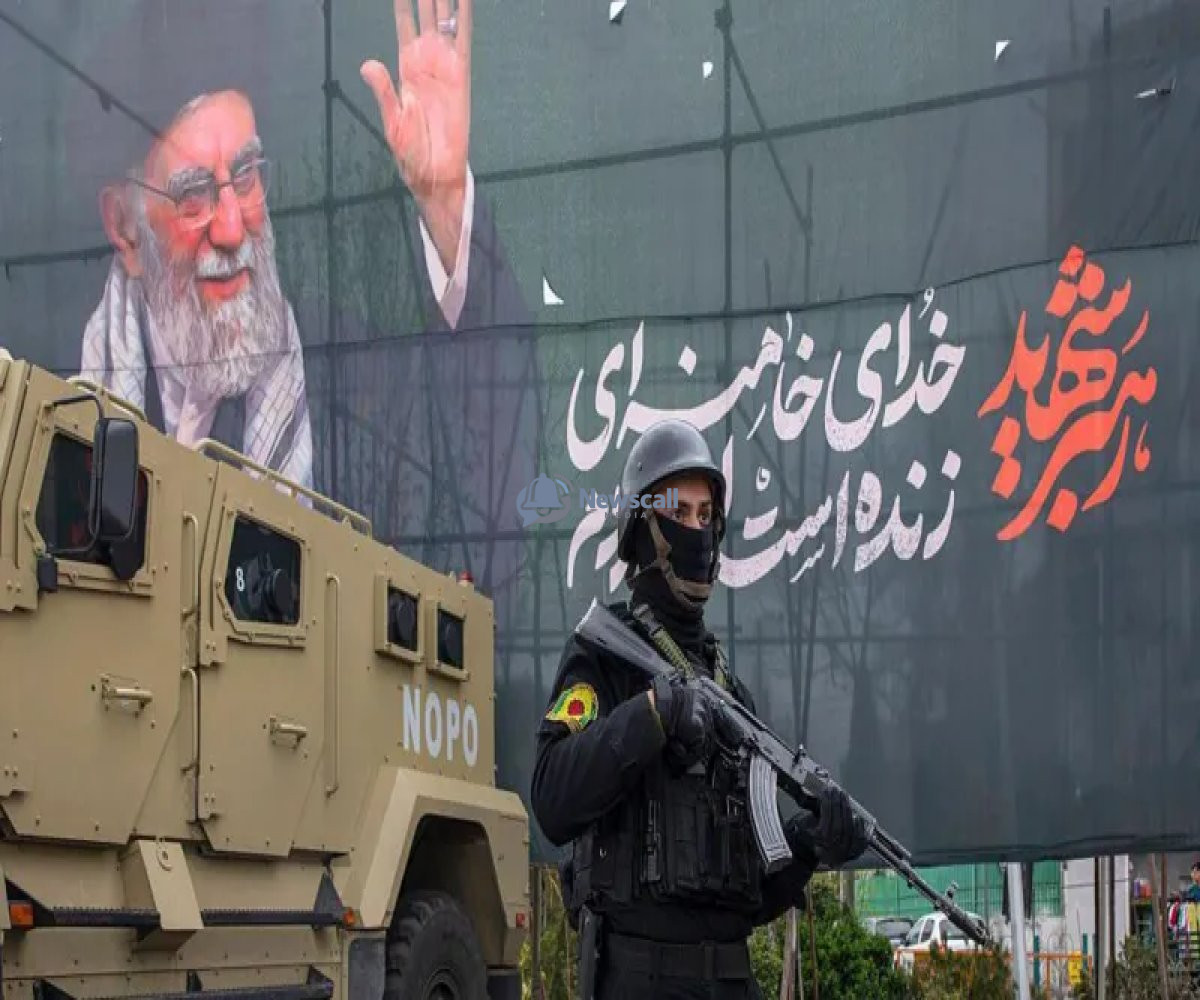


Iran’s New Guard Is Pushing Harder Than Ever And It’s Changing the Rules of the Game.

Iran just did something its old guard probably wouldn’t have dared. Over the weekend, it launched direct strikes on Israel a bold, risky move that signals the country’s new leadership is tearing up the old playbook.
For decades, Iran fought its battles through proxies, secret operations, and carefully measured revenge. But this time, they hit Israel directly in response to attacks in Lebanon a clear message that their red lines don't stop at their own borders anymore.
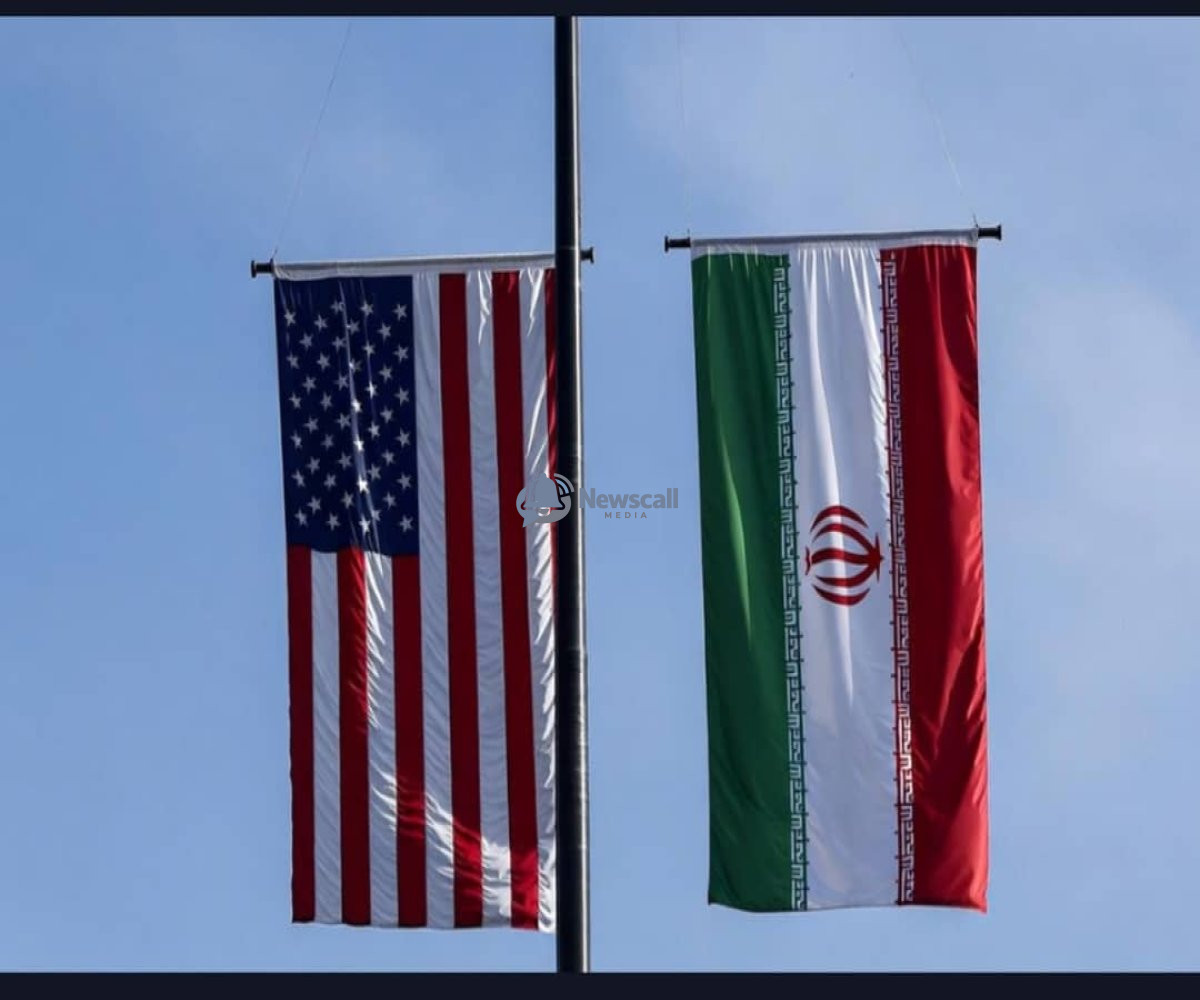
Since the U.S.Iran ceasefire back in early April, Tehran has been fuming. They say both Israel and the U.S. have been chipping away at the truce U.S. strikes on Iranian targets, and nearly 3,500 Israeli strikes in Lebanon, even on Beirut. So Iran fired back with a series of calculated hits on U.S. and Gulf targets, warning that if diplomacy fails, they’re ready to expand the war beyond the Persian Gulf all the way to the Indian Ocean, Red Sea, and Mediterranean.

Things are still shaky. Just this week, a U.S. Army helicopter went down, and new firefights broke out overnight.
But the real headline is Iran’s shift in mindset. Mohammad Bagher Ghalibaf, Iran’s lead negotiator, put it bluntly on Monday: "We've overturned the ceasefire equation that existed on paper but kept getting broken in reality." Another spokesperson said Iran won’t just sit back while Israel and the U.S. keep attacking under the cover of a fake truce.
This is a different Tehran. The old cautious, "wait-and-see" approach shaped for decades by Supreme Leader Khamenei is giving way to a younger, more aggressive leadership willing to take real risks. Ironically, this is the same leadership Trump once called "rational" and "pretty reasonable."
Aaron David Miller, a former U.S. peace negotiator, told CNN: "The Iranians have put both Israel and the U.S. in a box now. They're ready to take risks. They think they're winning. And they don't believe the ceasefire serves them anymore."
Back in 2020, when the U.S. killed top Iranian general Qassem Soleimani, Iran’s response was measured – they warned Iraq’s government before launching missiles, giving U.S. troops time to hide. In June 2025, after the U.S. and Israel attacked Iran, they again chose a proportional response.
Not this time.
As Trita Parsi from the Quincy Institute put it: "For the first time in decades, a regional power has the means, the will, and the guts to directly challenge Israeli military action against a third party."
Iran is now trying to create a "new equation" one where Israel can’t act against Iran or its regional allies without facing direct consequences. Danny Citrinowicz, former head of Iran branch in Israeli military intel, explained that Iran’s current leaders increasingly believe that "whatever can't be achieved through diplomacy can be achieved through force."
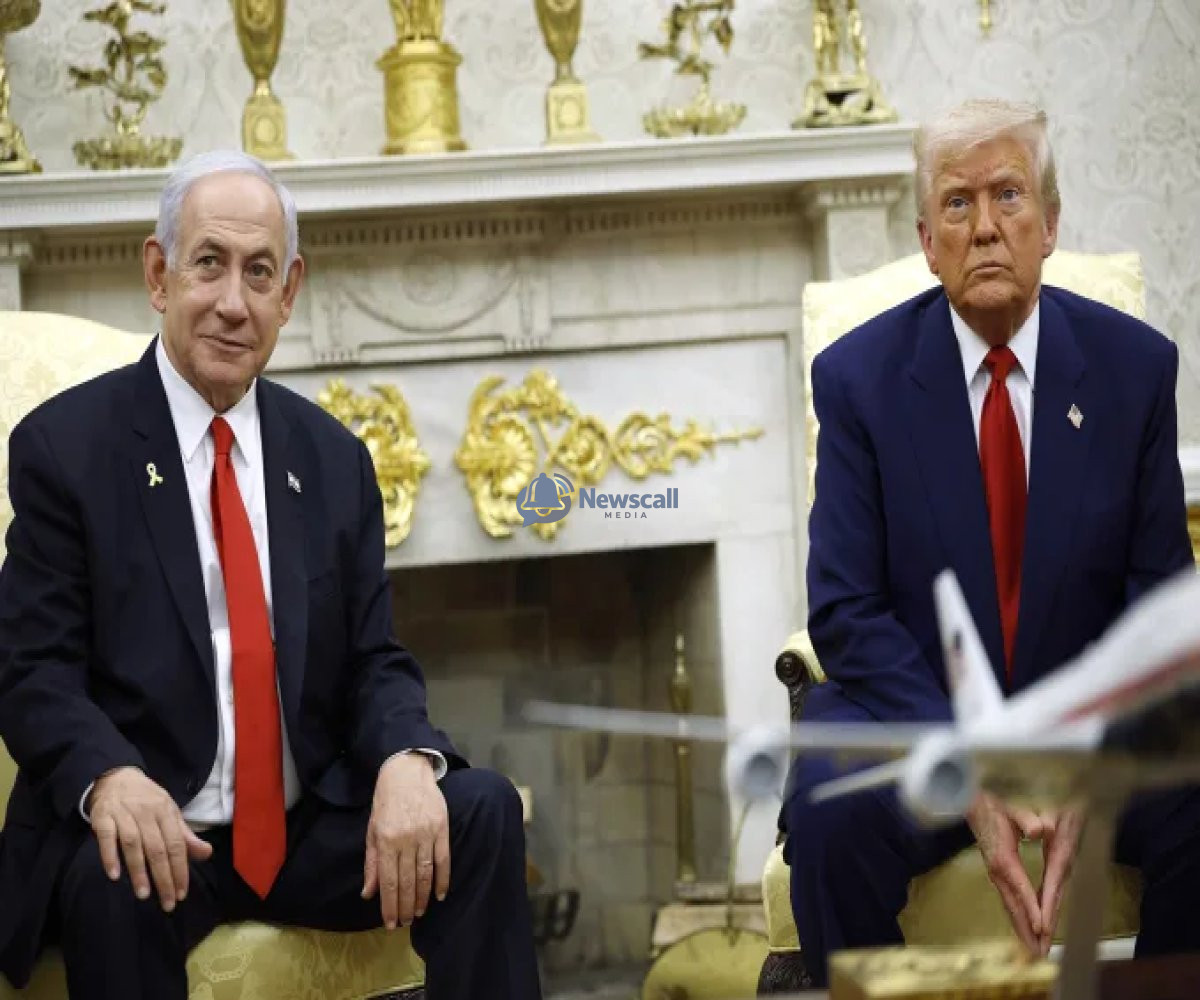
Iran is also smartly exploiting cracks between the U.S. and Israel. Trump has publicly broken with Netanyahu several times lately, insisting a diplomatic deal with Iran is possible and telling Israel it "won't have a choice" but to accept it.
When Iran attacked Israel on Monday, Trump moved fast to calm things down, talking to Netanyahu twice in just a few hours to stop retaliation.
Iran’s foreign ministry warned Washington that it "bears responsibility" for Israel’s actions and that this will "inevitably" hurt diplomacy. Meanwhile, an Israeli military official was quick to say U.S. forces didn’t take part in the strikes on Iran – though they did help intercept incoming Iranian missiles.
In short, Iran may have just forced Washington to choose: keep backing Israel’s military moves, or protect the diplomatic path with Tehran.
Miller summed it up: Trump’s pressure on Netanyahu has just handed Iran another bargaining chip. And that chip? It’s creating a whole new set of rules.

Umeanozie Prosper
Writer, Novelist,blogger, content creator