

“We’re Taking from the Hungry to Feed the Starving”: World Food Programme Chief Warns Iran War’s Ripple Effects Are Pushing Millions Toward Famine.
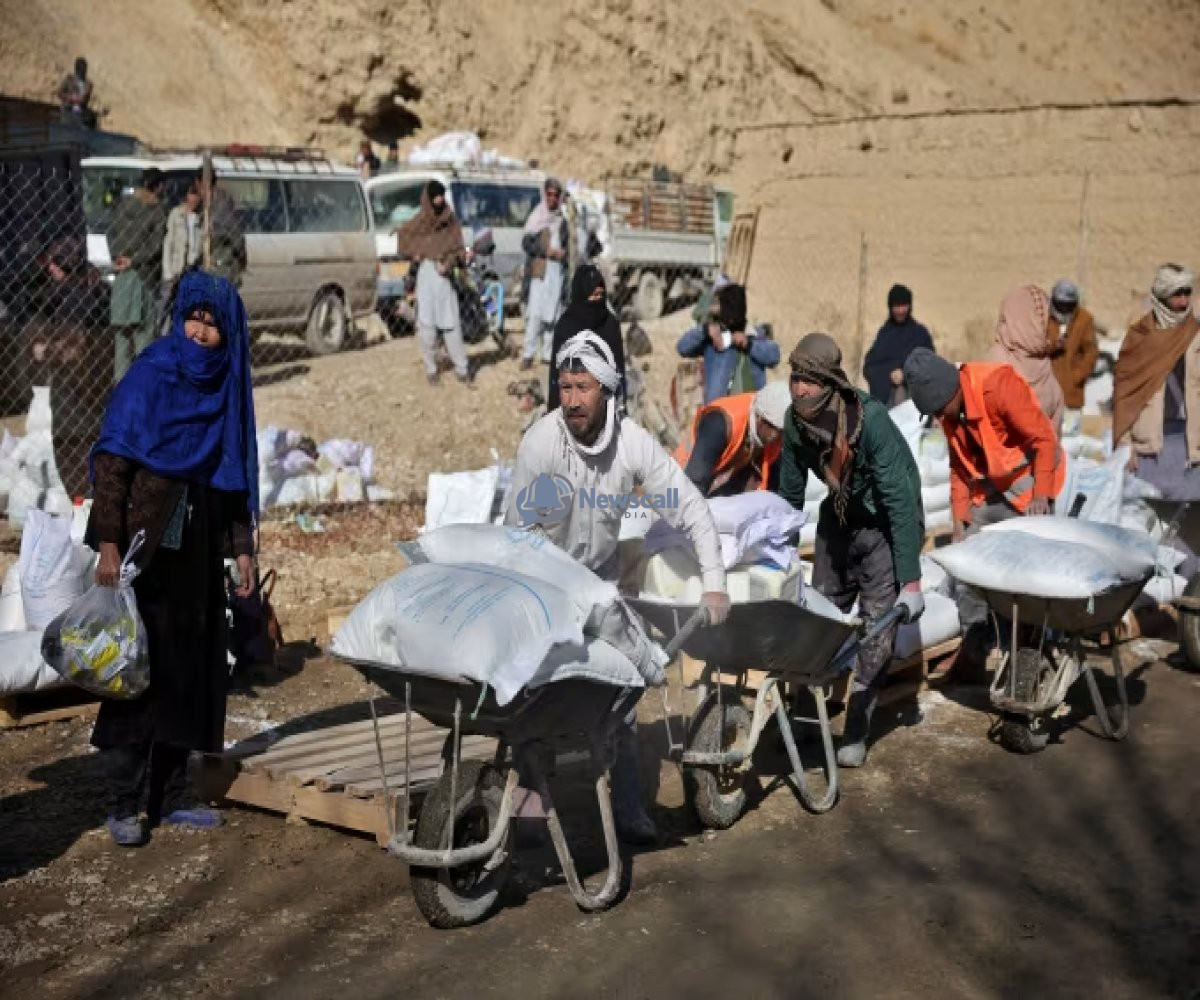
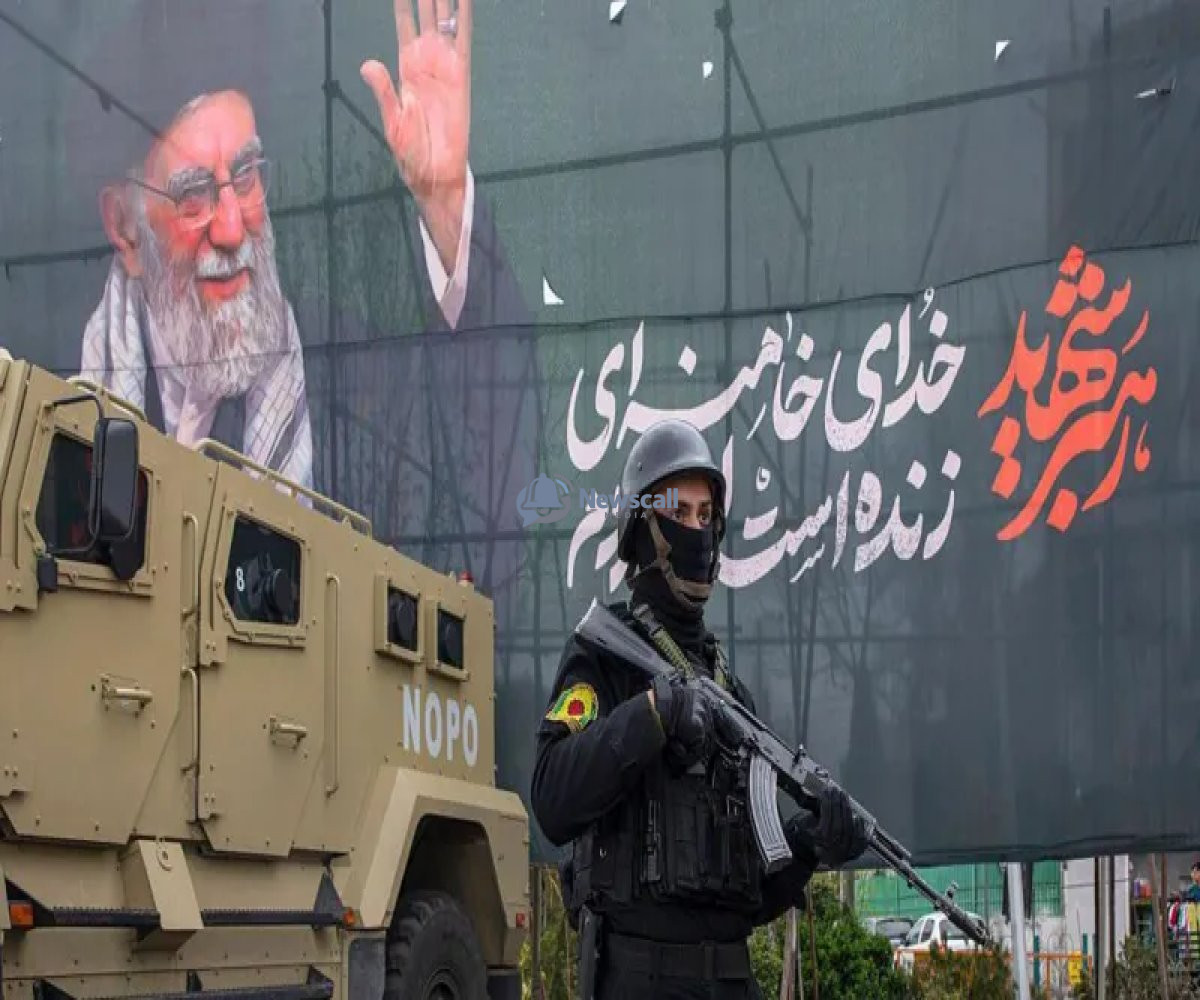
The acting head of the World Food Programme (WFP), Carl Skau, says the war in Iran is creating a hunger crisis that’s spiraling far beyond the conflict zone.
Because the Strait of Hormuz has been closed, fuel prices have skyrocketed. That means it’s suddenly way more expensive for the WFP to move food anywhere. And higher fuel costs are pushing up food prices globally. Fertilizer shipments from the Gulf critical for farmers in places like Sudan are also stuck.
For an organization already stretched thin by major funding cuts, this is a nightmare.
“In many places, we’re already taking from the hungry to give to the starving,” Skau told CNN.
The WFP runs almost entirely on government donations, and money has dried up even from the US, its biggest supporter. In 2024, the US gave over $4 billion. As of this week in 6:00 AM·1, 2026, that number is down to about $731 million.
Skau explains the brutal math: in the world’s poorest countries, when food prices jump 20–30%, families simply eat 20–30% less.
Back in March, the WFP warned that if oil stayed above $100 a barrel, 45 million more people would face severe hunger by July. Now, Skau says they’re already seeing that play out in Sri Lanka, Somalia, and Afghanistan.
Even if the Strait reopened tomorrow, he says, the damage won’t just disappear. “It’s going to take time to recover.”
Unlike past global crises like the war in Ukraine or COVID donors haven’t stepped up this time. Last year alone, funding dropped 40%.
In South Sudan, Skau says there’s a region in famine that can only be reached by air. That’s incredibly expensive. If they keep that air bridge running, it burns so much cash they can’t help other areas facing emergency hunger. “Those kinds of choices we haven’t really faced before,” he says.
In Afghanistan, he watched staff try to decide who gets help: only women led households with more than five children? That means moms with four kids get nothing and everyone knows the consequences.
Skau says the US is still the WFP’s largest donor, and they’re grateful. But he adds, “We will also have a conversation around what they can do to push others to do more.” His message to Washington: a hungry world is an unstable one, and fighting hunger is in America’s own interest.
“I think there is agreement and consensus among Americans and beyond that children should not go to bed hungry. Children should not starve.”

Umeanozie Prosper
Writer, Novelist,blogger, content creator