

Labor Faces Growing Political Test as One Nation Gains Ground
Labor Faces Growing Political Test as One Nation Gains Ground
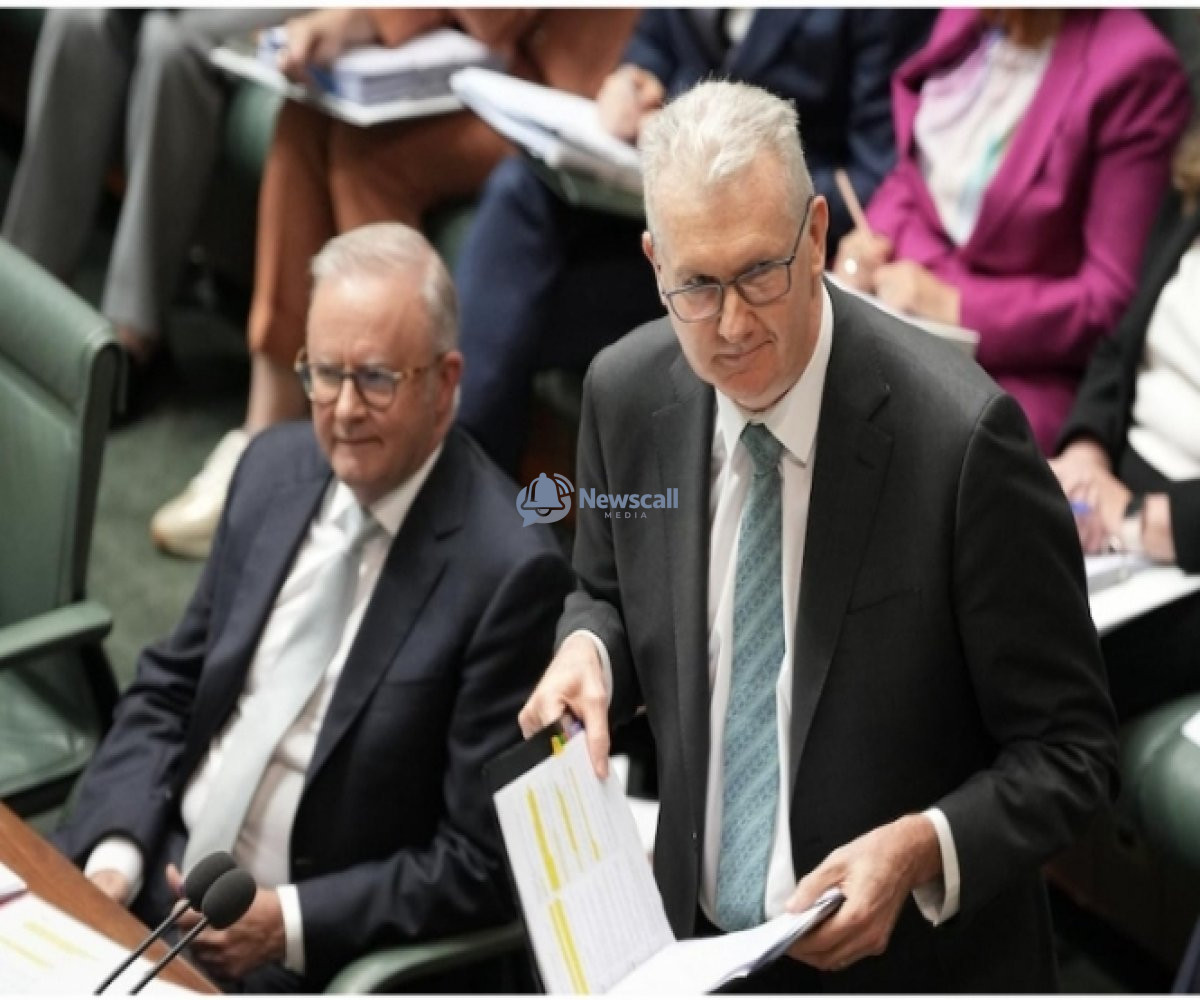
Concerns are mounting within Australia's political landscape as the governing Labor Party faces increasing pressure from the growing popularity of the One Nation party and other populist movements.
Despite holding a commanding parliamentary majority, Labor is being warned that public dissatisfaction over economic policies and tax reforms could gradually weaken its support base. Political strategist Lachlan Harris, a former adviser to ex-Prime Minister Kevin Rudd, has cautioned that the government may be underestimating a shift taking place among voters.
His warning comes as recent opinion polls suggest that One Nation's popularity has surged, raising fresh questions about Labor's long-term political strength and its ability to maintain support ahead of future elections.
Recent surveys indicate that One Nation has emerged as one of the country's most popular political parties, recording a primary vote of 31 percent. Labor followed with 28 percent, while the Coalition trailed behind at 20 percent.
The figures have intensified debate about whether traditional political parties are losing touch with sections of the electorate increasingly frustrated by economic pressures and government policies.
Speaking on the ABC's Insiders: On Background podcast, Harris described Labor as "very vulnerable" despite its overwhelming parliamentary majority.
According to him, Labor's support has been gradually declining over several decades, creating conditions that could eventually lead to significant electoral consequences.
To explain the rise of smaller political movements, Harris used a striking analogy.
He compared minor parties to a volcano hidden beneath the ocean floor.
"They don't look that scary whilst they're building up under the ocean, but the moment they crack above sea level, suddenly you understand how big and scary they are," he said.
Harris argued that populist parties have been steadily gaining influence since 2016, but One Nation now appears to be the first to translate that momentum into substantial electoral support.
He also expressed concern about Labor's recent tax measures, particularly those affecting investment returns outside property ownership and retirement savings.
According to Harris, such policies risk alienating younger Australians seeking to build wealth through entrepreneurship, small businesses, and personal investments.
He warned that narrowing the party's appeal at a time when voters are increasingly exploring political alternatives could prove costly.
"Now is a time to be broad," Harris said, arguing that governments must appeal to a wider cross-section of society when facing strong competition from populist movements.
The warning arrives at a sensitive moment for the Labor government.
Across many democratic nations, traditional political parties have struggled to contain the rise of populist movements that often capitalise on public frustration over living costs, economic uncertainty, and perceptions of political disconnect.
Australia appears increasingly vulnerable to similar trends.
Political analysts note that growing numbers of voters believe the country is moving in the wrong direction, a sentiment that can create fertile ground for political upheaval.
Within government circles, there is reportedly confidence that criticism surrounding the latest budget will fade over time. Officials believe public concerns may ease as economic policies begin to take effect.
However, challenges remain.
Labor still faces negotiations in the Senate, particularly with the Greens, who are seeking changes to government plans involving future spending reforms. Prolonged disputes could further complicate the government's efforts to rebuild public confidence.
As economic pressures continue to affect households, many voters are paying closer attention to decisions made in Canberra and evaluating whether current policies align with their expectations for the future.
While Labor remains firmly in control of government, the rise of One Nation has become a development that political leaders can no longer ignore.
What once appeared to be a distant undercurrent in Australian politics is now beginning to surface in national polling and public debate.
The coming months will test whether Labor can broaden its appeal, defend its economic agenda, and reconnect with voters concerned about their financial future.
For now, the warning signs are becoming harder to dismiss. And as Australia's political landscape evolves, both major and minor parties know that today's polling trends could become tomorrow's electoral reality.

Nwekwe Esther Amarachukwu
Public speaker,Research-driven writer covering politics and public affairs, committed to accuracy, and meaningful public discourse.