


Pentagon’s New Cyber Defense Command Sparks Debate on Australia’s Future Security Strategy
Pentagon’s New Cyber Defense Command Sparks Debate on Australia’s Future Security Strategy
A major shift inside the United States military is drawing attention far beyond Washington, with security experts suggesting it could offer valuable lessons for Australia.
The US Department of Defense has quietly restructured part of its cyber warfare apparatus, creating a new command aimed at strengthening the country's ability to defend critical networks while improving its readiness against emerging digital threats. The move comes as cyberattacks continue to grow in sophistication, targeting governments, businesses, and critical infrastructure around the world.
Analysts believe the development could serve as a blueprint for Australia as it confronts its own evolving cybersecurity challenges.
The restructuring took effect in late May when the Joint Force Headquarters–Department of Defense Information Network was elevated under the US Cyber Command framework and rebranded as the Department of Defense Cyber Defense Command (DCDC).
While the name change may appear administrative on the surface, experts argue it signals a deeper transformation in how modern governments view cyber warfare.
Cybersecurity specialist David Hollingworth noted that cyber defense is increasingly becoming a matter of government intervention rather than an issue that can be addressed solely through regulations or law enforcement measures. According to him, the rapid pace of technological change and the growing capabilities of hostile actors have forced governments to rethink traditional security models.
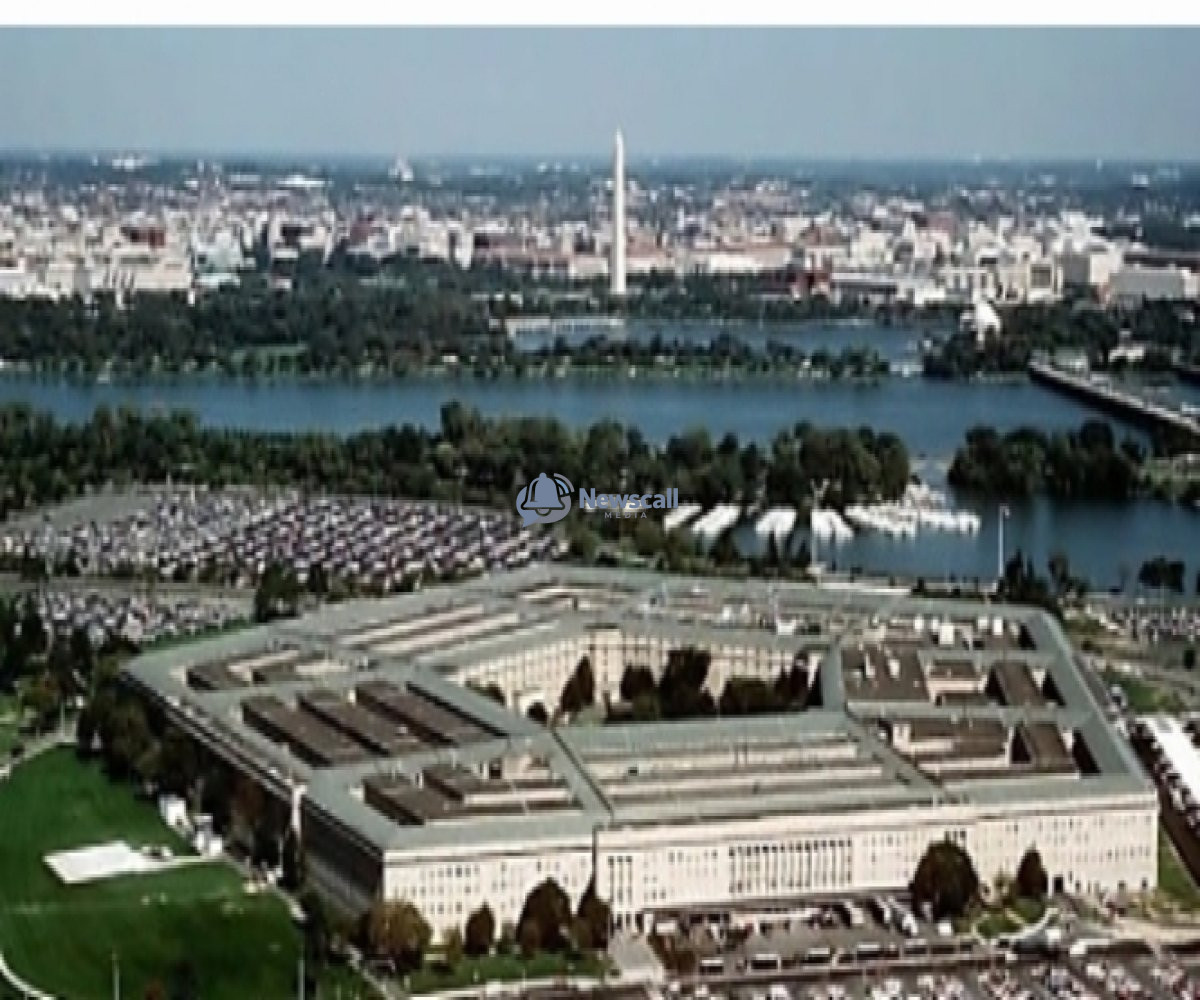
The newly established command is expected to oversee the security, operation, and defense of the Pentagon's vast information network, which supports some of the United States' most critical strategic assets.
Officials say the command's mission goes beyond simply defending networks from attack. It is also designed to improve resilience, strengthen coordination among defense agencies, and ensure that military operations can continue even under sustained cyber pressure.
General Paul Stanton, who will lead the DCDC while also directing the Defense Information Systems Agency, indicated that the new structure would provide improved intelligence capabilities, enabling faster identification of threats and a more effective response to cyber incidents.
The command is also expected to support a transition toward more proactive cyber operations, allowing defense authorities to identify and counter threats before they can cause significant damage.
The significance of the development extends beyond the United States.
Around the world, governments are facing a surge in cyberattacks targeting power grids, telecommunications systems, financial institutions, healthcare services, and other critical infrastructure. As a result, cybersecurity is increasingly being viewed as a national security issue rather than merely a technological challenge.
For Australia, the Pentagon's approach raises important questions about how responsibility for cyber defense should be shared between government agencies and private industry.
Experts argue that many essential services are owned or operated by private organizations, making cooperation between the public and private sectors essential. A centralized cyber defense structure could improve coordination, establish clearer expectations, and strengthen national preparedness during major cyber incidents.
Observers believe that adopting elements of the American model could help Australia improve its ability to manage cyber crises, protect critical infrastructure, and reduce the impact of future attacks.
At the same time, specialists caution that any Australian adaptation would need to reflect local legal, political, and operational realities rather than simply copying the US system.
The creation of the Department of Defense Cyber Defense Command marks more than a bureaucratic reorganization within the Pentagon. It reflects a growing recognition that cyber threats have become a central component of modern national security.
As governments race to defend increasingly connected societies, the US experiment is likely to be watched closely by allies and partners around the world. For Australia, the development may provide both a warning and an opportunity: a warning that cyber threats are becoming more dangerous, and an opportunity to rethink how the nation prepares for the battles of the digital age.

Nwekwe Esther Amarachukwu
Public speaker,Research-driven writer covering politics and public affairs, committed to accuracy, and meaningful public discourse.