

Morocco Turns to the Ocean to Beat the Drought Could the Rest of Africa Follow?
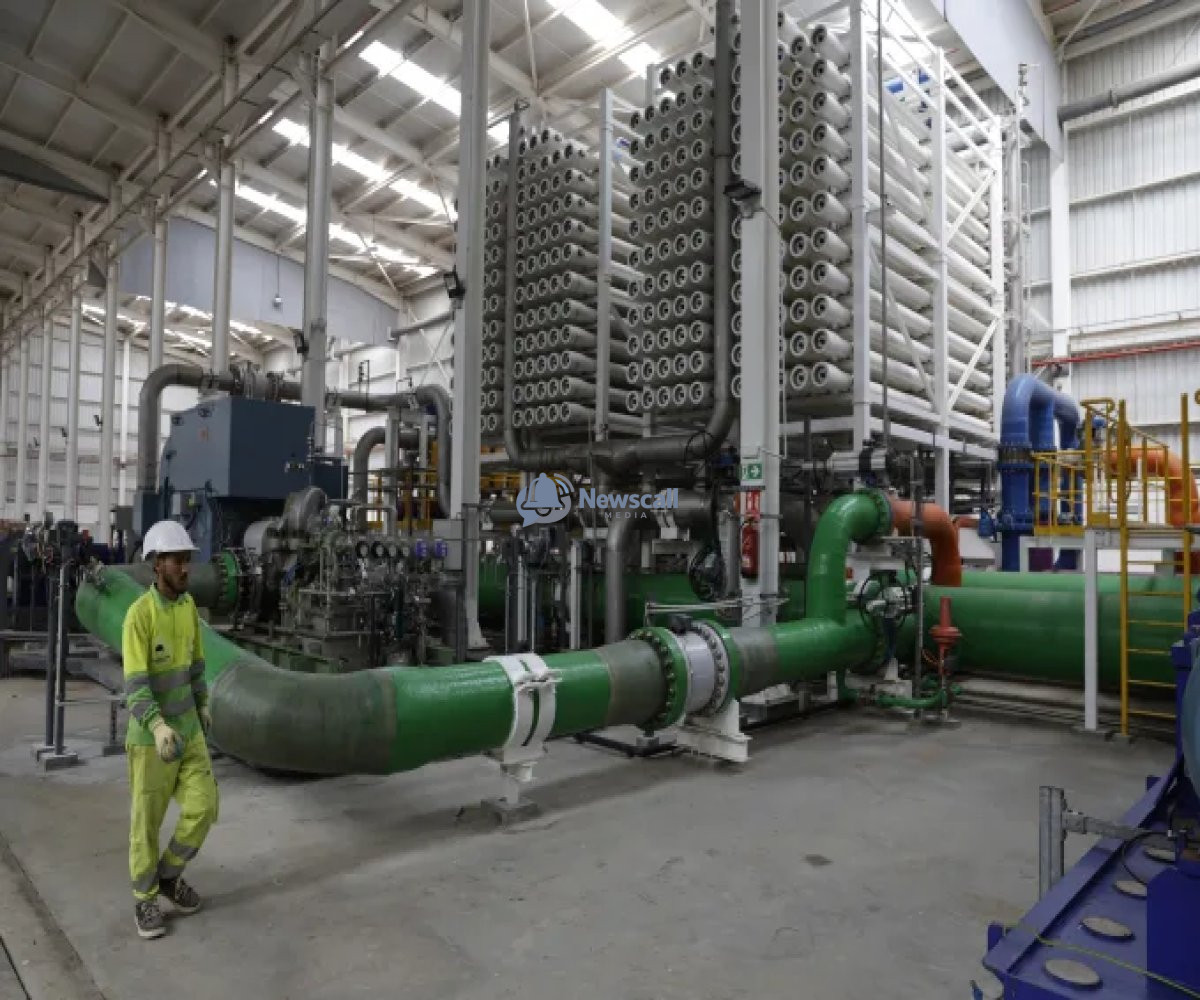
For years, Morocco has been drying up. Reservoirs ran low, crops failed, and farmers watched the sky for rain that wouldn’t come. But now, instead of waiting on the weather, Morocco is looking to the sea.
After a seven year drought officially ended early this year thanks to heavy rains, the country isn’t backing away from its long term plan: desalination. The idea is simple but bold pull salt out of seawater and turn it into drinking water and irrigation for farms.
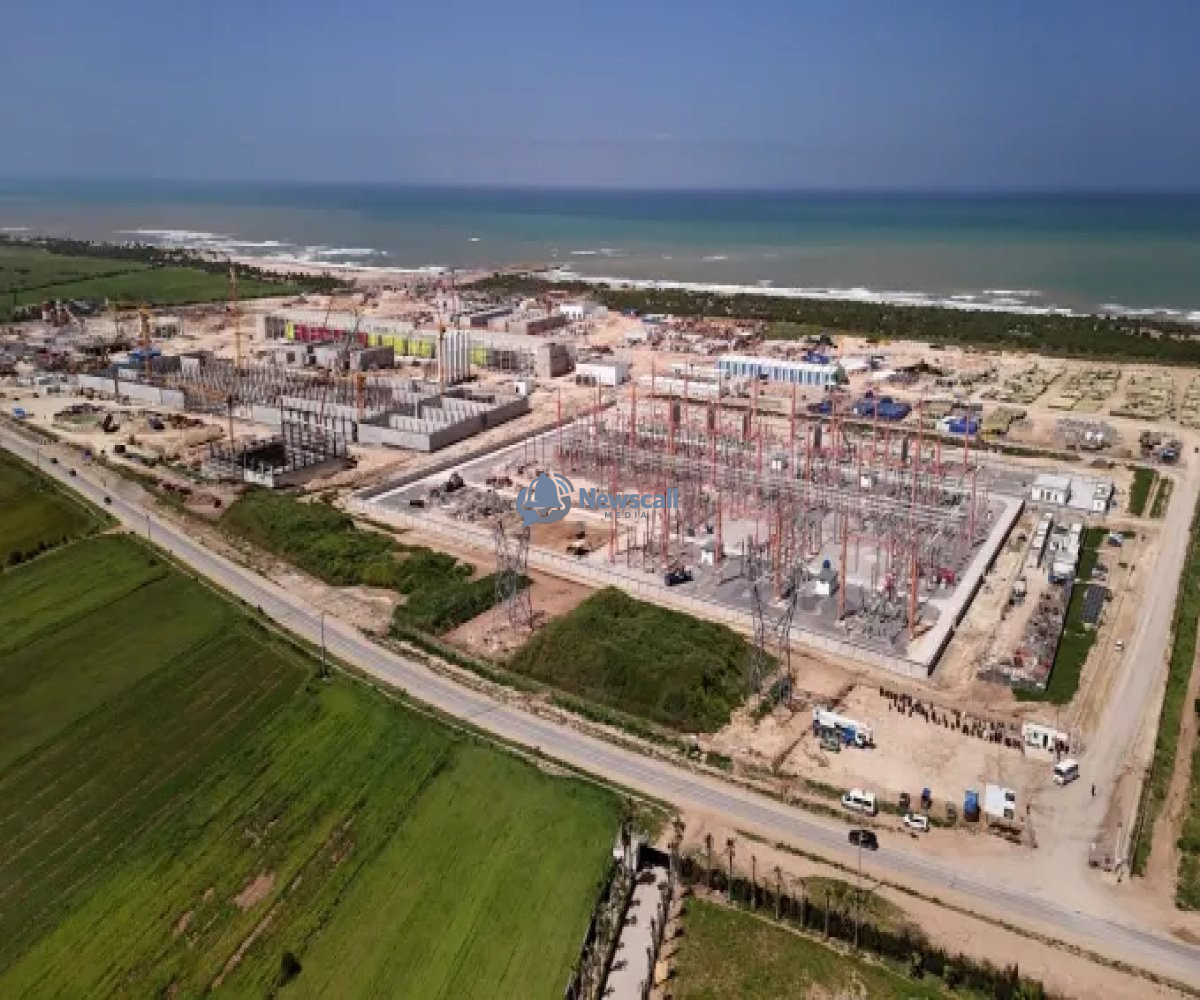
One massive project south of Casablanca, costing $650 million, is set to become Africa’s largest desalination plant. By 2028, it will provide clean water for 7.5 million people and help irrigate thousands of acres of farmland. What’s different? It’ll be powered entirely by renewable energy wind farms in Western Sahara.
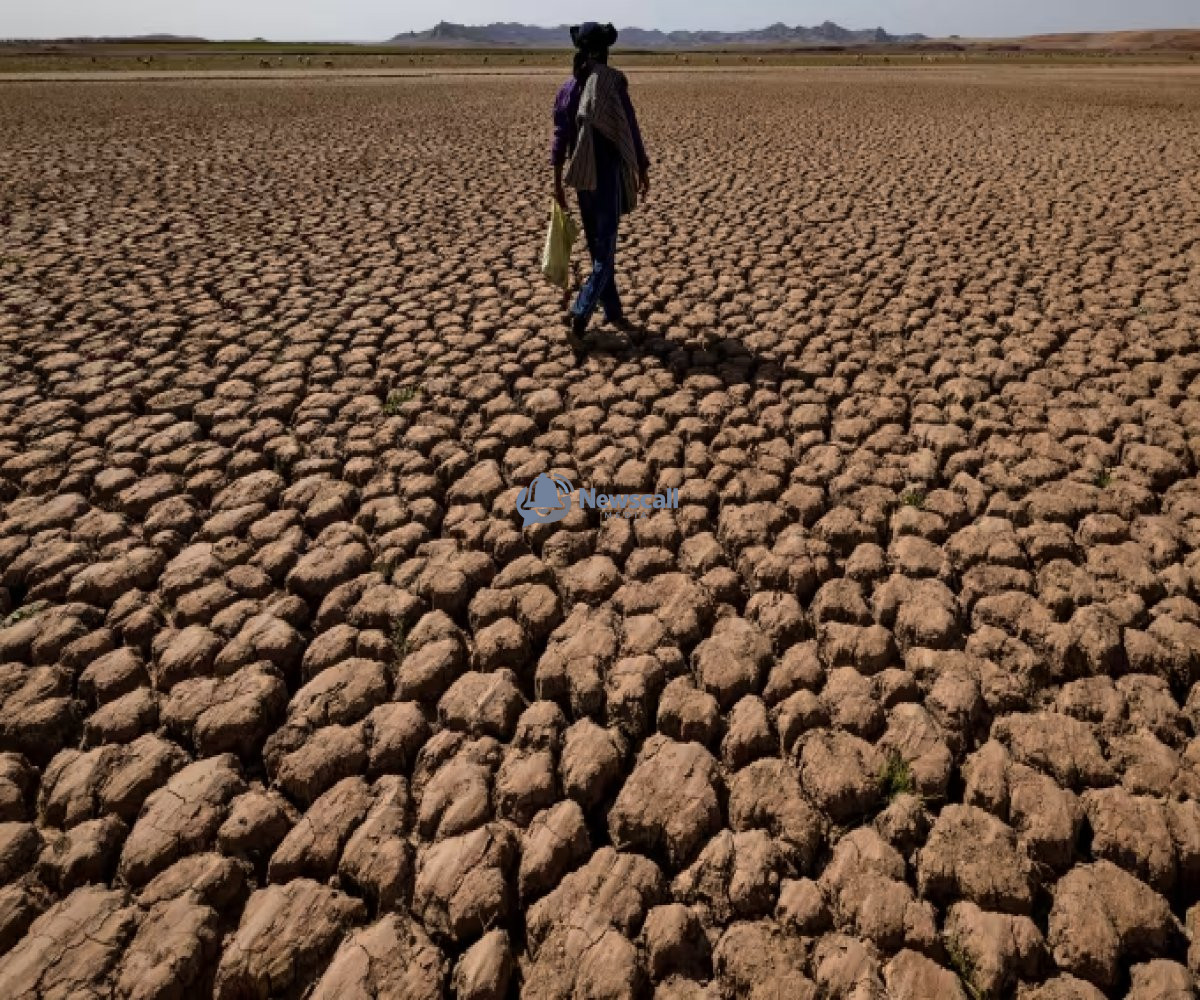
Morocco already has 17 desalination plants, and 11 more are planned. The government knows rain isn’t reliable anymore. As one official put it, the drought isn’t a fluke it’s a permanent shift in the climate.
But there are catches. Desalination is expensive up to four times pricier than traditional water sources. For now, it mostly helps farmers who grow high-value export crops like tomatoes and fruit for European supermarkets. It’s not yet cheap enough for widespread wheat farming.
There’s also an environmental cost. For every gallon of fresh water, more than a gallon of super salty brine gets pumped back into the ocean, which can harm sea life. Newer plants are trying to reduce that damage with longer pipes that dilute the brine faster, but Morocco still lacks national laws to enforce strict limits.
Still, other African nations are watching closely. Algeria, Egypt, Senegal, Namibia, and South Africa are all expanding their own desalination efforts. The big lesson from Morocco? You can’t just build plants you need clean energy to power them, smart financing, and rules to protect the environment and small farmers.
As one water expert put it: water security isn’t just about producing more gallons. It’s about producing more fairness, more resilience, and more value from every drop.

Umeanozie Prosper
Writer, Novelist,blogger, content creator