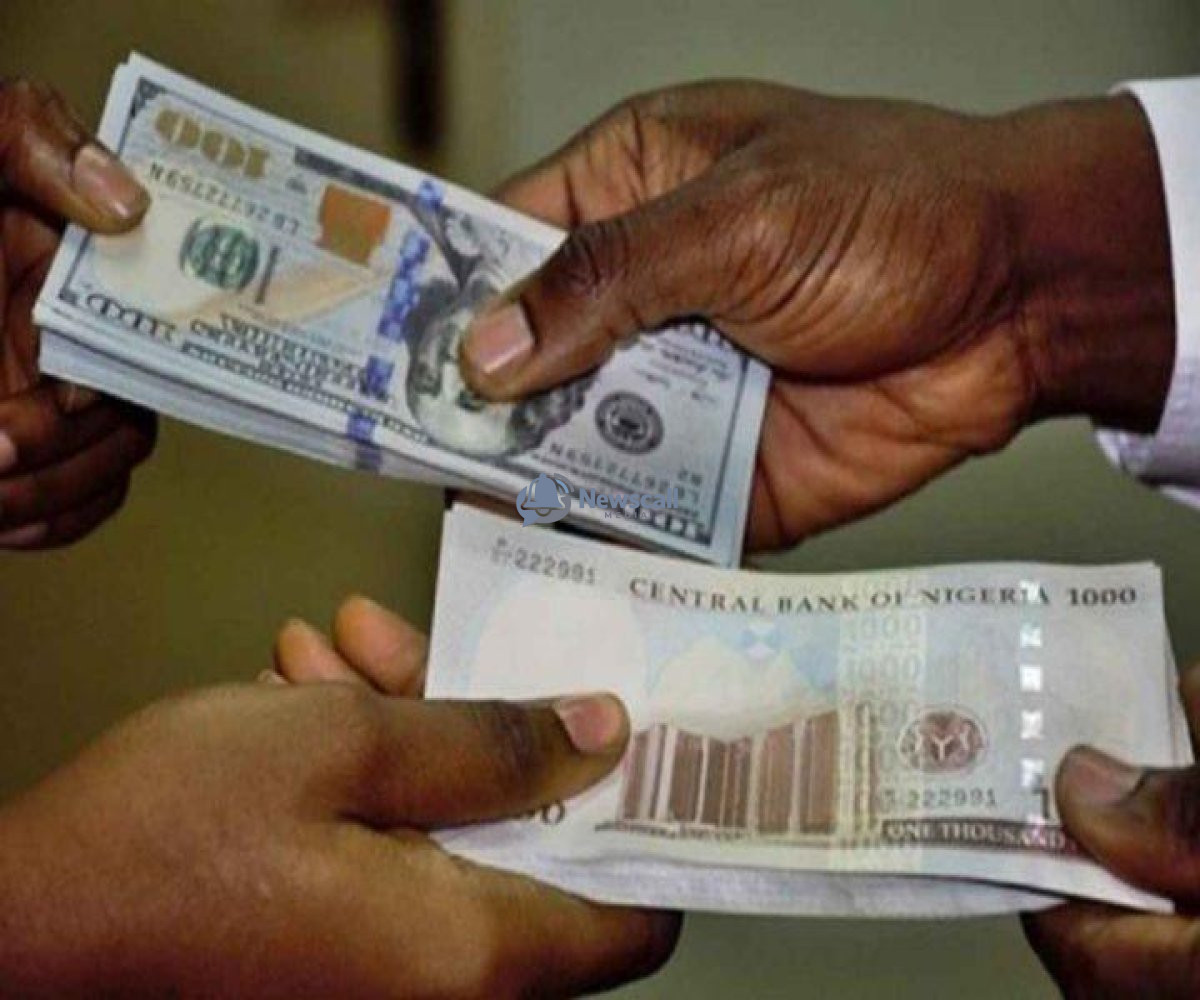


Naira Holds Firm Against Dollar as FX Reforms Narrow Gap Between Official and Black Market Rates.
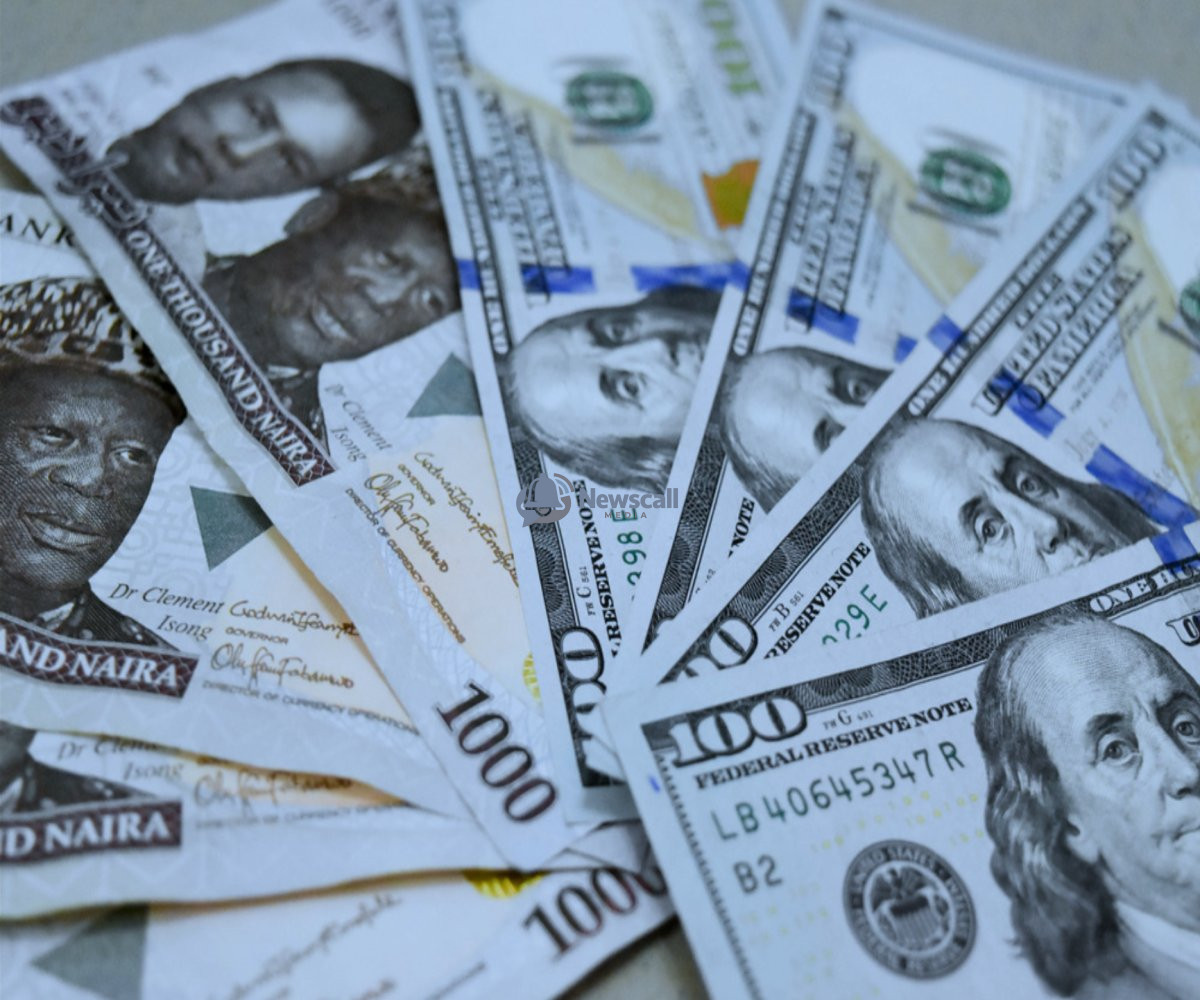
The Nigerian naira maintained a relatively stable position against the United States dollar on Thursday, June 18, 2026, as ongoing foreign exchange reforms, improved market transparency, and stronger liquidity continued to bolster confidence in the country’s currency market. With the gap between the official and parallel market exchange rates remaining one of the narrowest seen in recent years, analysts say recent policy measures by the Central Bank of Nigeria are beginning to yield positive results.
The naira traded steadily against the US dollar on Thursday, June 18, 2026, across both the official and parallel foreign exchange markets, reflecting a period of relative calm in Nigeria’s currency market amid sustained monetary reforms.
According to data released by the Central Bank of Nigeria (CBN), the local currency exchanged at approximately ₦1,360 per dollar at the Nigerian Foreign Exchange Market (NFEM), the country’s official trading window. The stability comes as traders and investors continue to monitor foreign exchange liquidity levels, market demand, and the effectiveness of ongoing reforms introduced by monetary authorities.
At the parallel market, commonly referred to as the black market, the dollar traded at around ₦1,400 per dollar, with buying rates ranging between ₦1,392 and ₦1,395, while selling rates were quoted between ₦1,400 and ₦1,402, according to bureau de change operators and market sources.
Market observers noted that the difference between official and unofficial exchange rates remained relatively modest compared to previous periods marked by sharp volatility and wide disparities. The narrower spread is being viewed as a sign of improved market efficiency and increased confidence in the foreign exchange system.
Financial analysts attribute the trend to several factors, including stronger foreign exchange inflows, enhanced regulatory oversight, improved transparency in currency trading, and the CBN’s continued efforts to deepen liquidity within the market.
The stability of the naira also comes at a time when policymakers are seeking to attract foreign investment and reduce speculative pressure on the local currency. Recent reforms aimed at streamlining forex transactions and ensuring more market-driven pricing mechanisms have helped improve alignment between the official and parallel market rates.
While currency traders remain cautious about future movements due to global economic uncertainties and fluctuating oil prices, the current exchange rate performance suggests that the naira is enjoying a period of relative stability compared to the sharp swings witnessed in previous years.
Exchange Rate Summary (June 18, 2026)
Official NFEM Rate: Approximately ₦1,360/$
Parallel Market Buy Rate: ₦1,392 – ₦1,395/$
Parallel Market Sell Rate: ₦1,400 – ₦1,402/$
However, market participants note that exchange rates may vary depending on location, transaction size, and individual dealer pricing.
As traders keep a close watch on foreign exchange inflows and monetary policy developments, the naira's ability to maintain its current stability will remain a key indicator of the success of Nigeria’s broader economic reform agenda.

Anozie Chiemerie Emmanuel
Writer