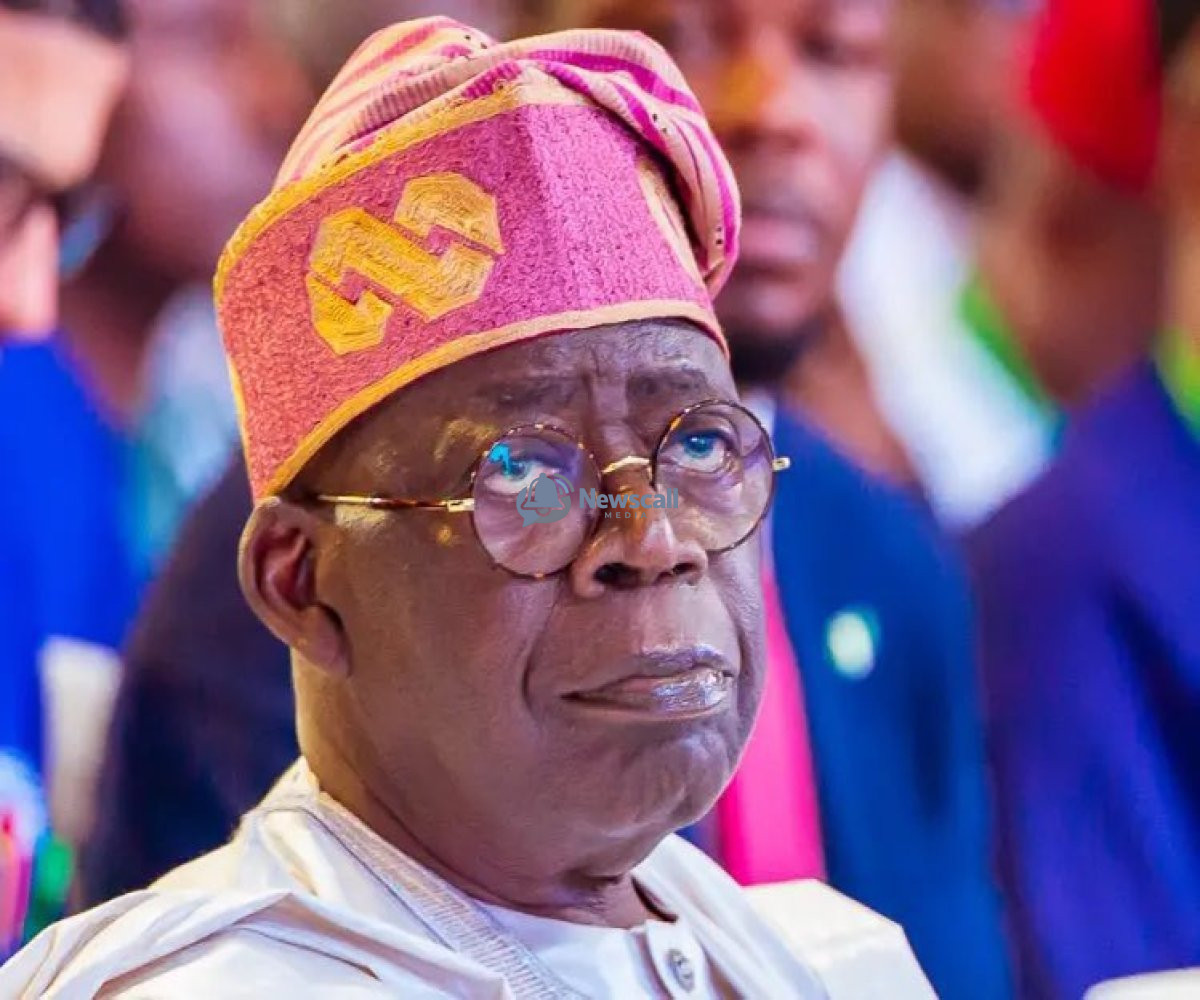


NDC Sparks Debate as Obi, Kwankwaso Get Special Exemption from Controversial Anti-Defection Oath.
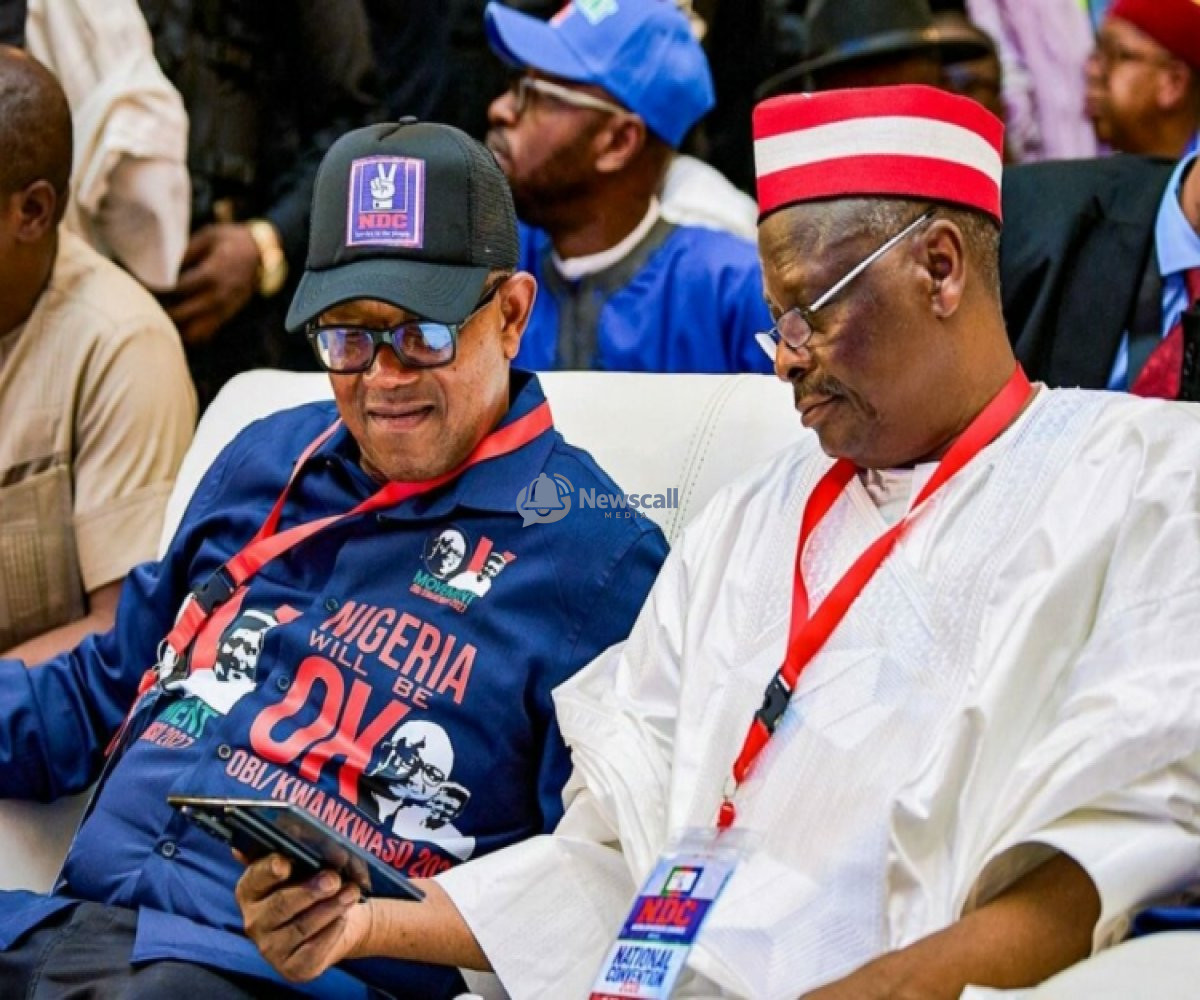
NDC Sparks Debate as Obi, Kwankwaso Get Special Exemption from Controversial Anti-Defection Oath.
The Nigeria Democratic Congress (NDC) has stirred political controversy after granting its presidential candidate, Peter Obi, and running mate, Rabiu Musa Kwankwaso, exemption from a newly introduced anti-defection oath designed to prevent elected officials from abandoning the party after securing victory at the polls. The move has raised fresh questions about fairness, party discipline, and the future of political loyalty in Nigeria’s evolving democratic landscape.
The clarification was made on Wednesday by the party’s National Secretary, Ikenna Enekweizu, during an appearance on Channels Television’s Politics Today. Enekweizu addressed concerns surrounding the policy, which has generated public debate and criticism from some political observers who argue that it may conflict with constitutional provisions on freedom of association.
According to him, the anti-defection oath is firmly rooted in the NDC’s constitution and forms part of the party’s broader strategy to curb the growing trend of elected officials defecting to rival political parties shortly after winning elections on the platform that sponsored them.
He explained that membership in a political party is voluntary and that every member is expected to abide by the party’s constitution and decisions taken by its duly constituted authorities.
“First and foremost, a political party is like any other association, and every member who subscribes to the membership of the party is bound by the provisions of the constitution of the party and decisions taken by the party’s properly constituted authorities. Within NDC, the decision to make people sign that affidavit is provided for in our constitution,” Enekweizu stated.
Responding to allegations that the oath could be unconstitutional, the party secretary maintained that members who willingly join the NDC are legally and morally obligated to comply with its internal regulations.
While acknowledging that the party’s constitution requires all candidates contesting under its banner to sign the loyalty oath, Enekweizu revealed that the leadership had taken what he described as an administrative decision to exempt Obi and Kwankwaso from the requirement.
“The constitution says everybody running under the platform of the party has to sign, but the party has taken the administrative decision that those required to sign in this instance do not include the presidential candidate and his vice,” he said.
He further explained that the primary target of the policy is not the party’s presidential or governorship candidates but lawmakers who frequently defect after elections, often weakening the political structures that helped them secure office.
“Our main focus is not the governor; it’s not the president. It’s the national and state assembly members elected on the platform of our party,” Enekweizu emphasized.
The NDC recently unveiled the anti-defection initiative as part of efforts to strengthen party cohesion and prevent the erosion of its political influence through post-election defections. Party leaders argue that the practice has become one of the biggest challenges facing political parties in Nigeria, undermining ideological consistency and weakening public trust in the democratic process.
Enekweizu noted that the NDC is determined to build a durable political institution capable of outliving individual politicians. He stressed that the party would not allow itself to become merely a temporary platform for ambitious politicians seeking electoral success before switching allegiance to rival parties.
The exemption granted to Obi and Kwankwaso, however, is expected to fuel further debate among political stakeholders, with critics likely to question why the party’s highest-profile candidates were excluded from a rule being imposed on other aspirants. Supporters of the decision, on the other hand, may view it as a pragmatic move aimed at focusing the anti-defection campaign on legislators, who have historically accounted for the majority of post-election defections in Nigeria.
As political parties continue to grapple with the challenge of maintaining loyalty among elected officials, the NDC’s controversial policy is likely to remain a major talking point ahead of future elections.

Anozie Chiemerie Emmanuel
Writer