

Senate Advances Crypto Regulation Bill, Pushes for Revival of Nigeria’s Textile Industry

Senate Advances Crypto Regulation Bill, Pushes for Revival of Nigeria’s Textile Industry
Nigeria's Senate has taken significant steps toward regulating the country's rapidly growing cryptocurrency sector while also seeking solutions to revive the struggling textile industry.
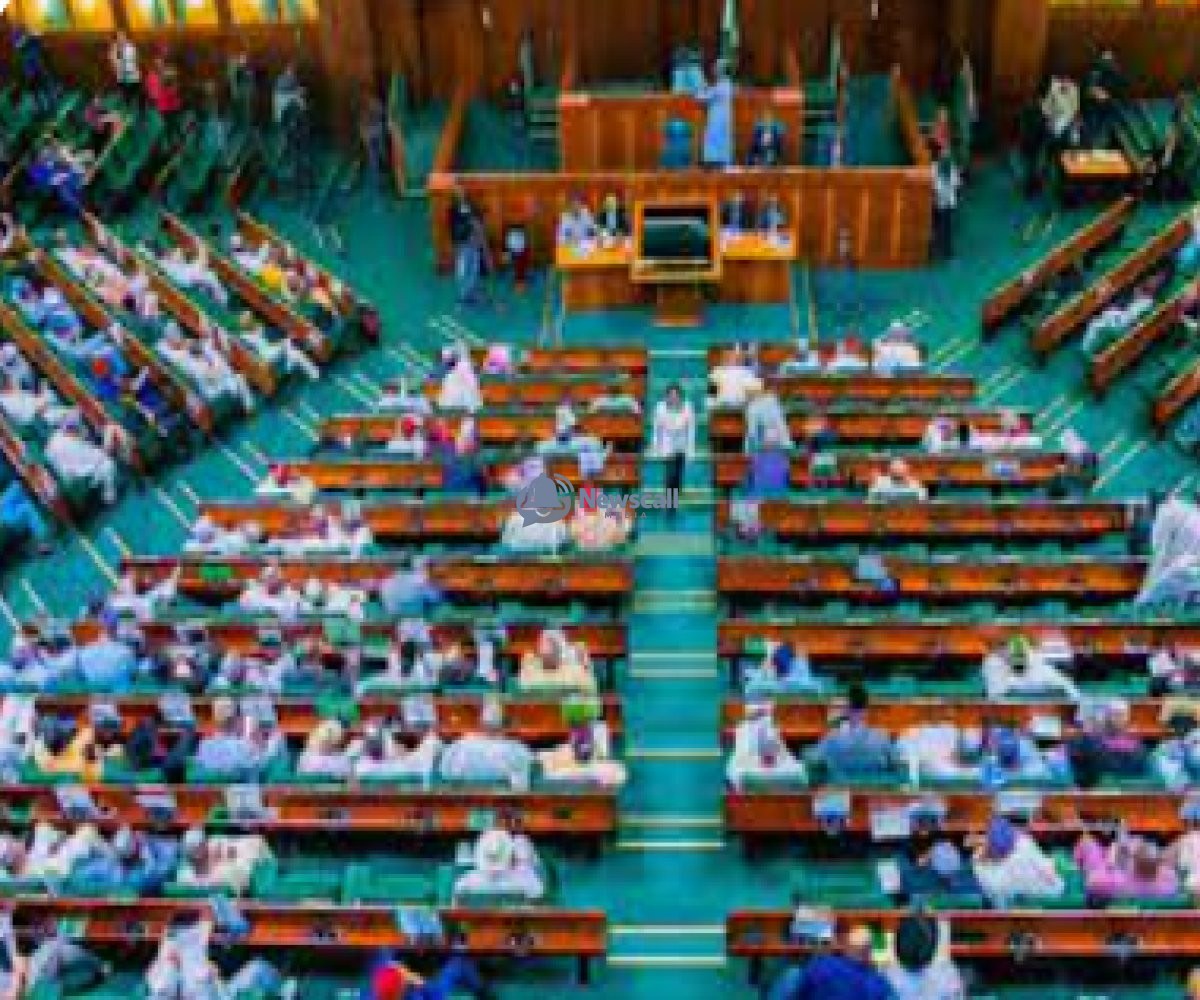
Lawmakers passed the Virtual Asset Service Providers Regulation Bill on second reading and simultaneously called for urgent government intervention to restore textile manufacturing, a sector once regarded as one of Nigeria's largest employers.
The twin developments signal a renewed effort by policymakers to modernize the economy while addressing long-standing industrial decline.
The Virtual Asset Service Providers (VASP) Regulation Bill was sponsored by Deputy Senate President Barau Jibrin and received the backing of several lawmakers during deliberations.
The proposed legislation seeks to establish a comprehensive legal framework for virtual assets and digital finance operations in Nigeria. It would introduce mandatory licensing requirements, transparency measures, and compliance obligations for cryptocurrency exchanges and other digital asset service providers.
Supporters of the bill argue that regulation is necessary to protect investors, improve market confidence, attract foreign investment, and reduce illicit financial activities within the digital asset ecosystem.
Speaking during the debate, Senate Chief Whip Mohammed Tahir Monguno noted that despite Nigeria's position as one of Africa's leading cryptocurrency markets, the country has lagged behind several African nations in developing a clear regulatory structure for digital finance.
The bill has now been referred to the Senate Committee on Capital Market for further legislative review and public consultations over the next four weeks.
Meanwhile, the Senate also adopted a motion calling for the revival of Nigeria's textile industry, particularly in the Kaduna-Kano industrial corridor, which was once a major hub for cotton production and textile manufacturing.
Lawmakers expressed concern over the collapse of many textile factories, rising unemployment, and Nigeria's growing dependence on imported textile products.
The motion urged the Federal Government to implement policies capable of restoring local production, supporting manufacturers, and creating employment opportunities across the value chain.
According to industry projections, ongoing government initiatives aimed at reviving cotton production, textile factories, and garment manufacturing could generate up to 1.5 million jobs if successfully implemented.
Context (Why It Matters)
Nigeria remains one of the world's largest cryptocurrency adoption markets. Millions of Nigerians rely on digital assets for savings, investments, remittances, and protection against inflation and currency fluctuations.
Data from industry reports show that Nigeria recorded more than $92 billion in cryptocurrency transaction value between July 2024 and June 2025, highlighting the sector's growing importance to the economy.
However, the absence of a comprehensive regulatory framework has raised concerns about consumer protection, financial crimes, and market oversight. The proposed legislation is expected to address these challenges while encouraging responsible innovation.
At the same time, the textile industry, once a cornerstone of Nigeria's manufacturing sector, has experienced decades of decline due to infrastructure challenges, insecurity, smuggling, and high production costs.
Reviving the sector is seen as critical to boosting local manufacturing, reducing imports, strengthening economic diversification, and creating large-scale employment opportunities.
The Senate's actions reflect a broader effort to reposition Nigeria's economy for future growth.
While the cryptocurrency bill aims to bring clarity and confidence to one of the country's fastest-growing sectors, the push to revive textile manufacturing seeks to restore an industry that once provided livelihoods for millions of Nigerians.
As both initiatives move through the next stages of implementation, their success could play a major role in shaping Nigeria's economic future, expanding investment opportunities, and creating much-needed jobs across the country.

Nwekwe Esther Amarachukwu
Public speaker,Research-driven writer covering politics and public affairs, committed to accuracy, and meaningful public discourse.