Supreme Court Sends David Mark Back to Federal High Court in ADC Leadership Fight.
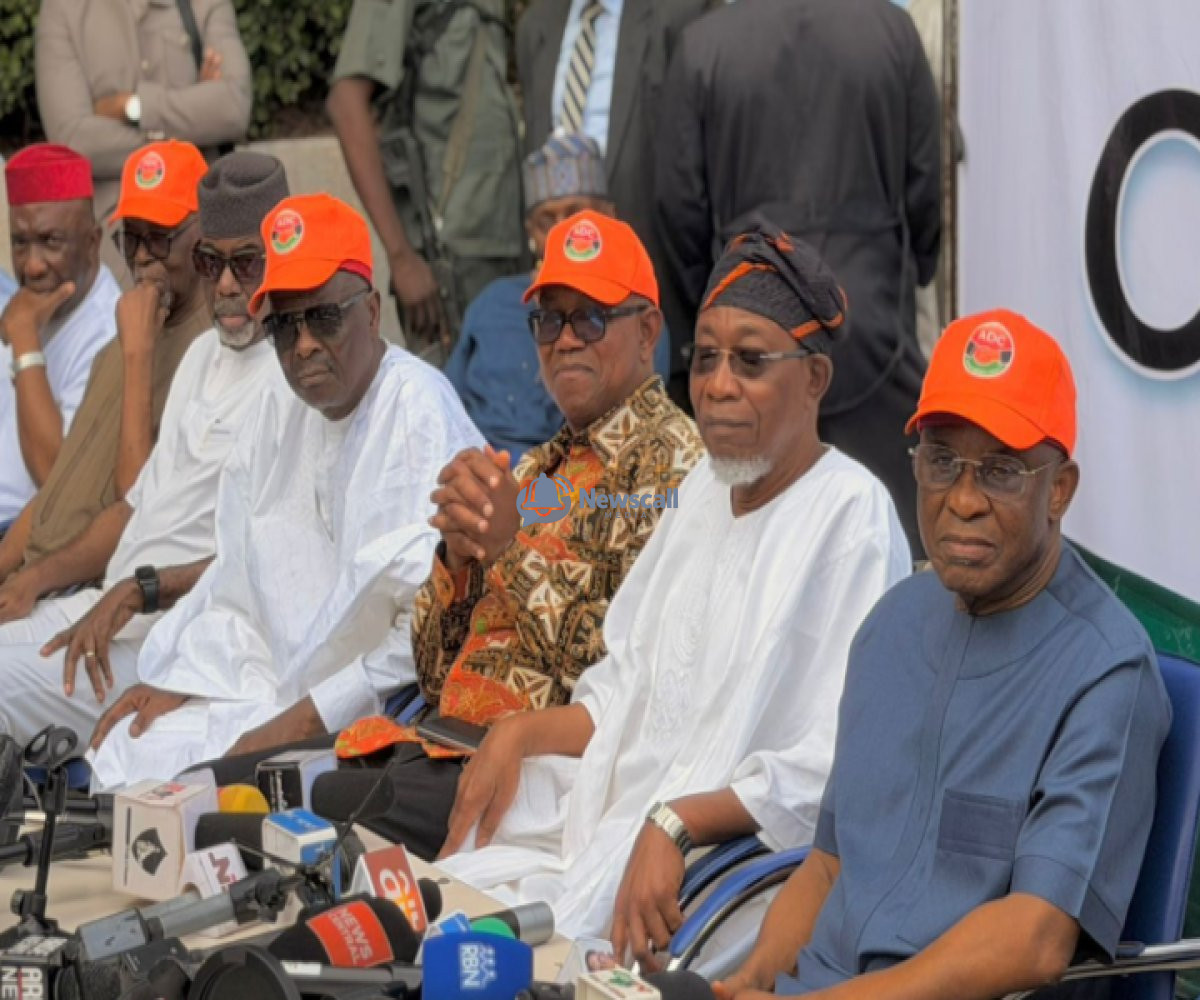
The Supreme Court has ordered former Senate President David Mark to return to the Federal High Court so the lingering leadership crisis within the African Democratic Congress (ADC) can be properly resolved.
In a unanimous decision delivered on Thursday, a five-justice panel led by Mohammed Garba took issue with an earlier ruling by the Court of Appeal. The appellate court had told everyone involved to maintain the status quo, but the Supreme Court said that order was out of line—especially since the appeal had already been dismissed.
“Issuing such an order in an appeal that had already been thrown out was unnecessary, uncalled for, and improper,” Justice Garba stated.
What Sparked the Dispute
The trouble started when Nafiu Bala, a former ADC vice-chairman, went to the Federal High Court in Abuja with a lawsuit (marked FHC/ABJ/CS/1819/2025). Bala asked the court to stop David Mark and his group from parading themselves as the legitimate national leaders of the ADC. Named as defendants were the ADC, Mark, National Secretary Rauf Aregbesola, the Independent National Electoral Commission (INEC), and the party’s founder, Ralph Nwosu.
Bala argued that he never resigned as national vice-chairman, and that after Nwosu left as national chairman, the party’s constitution meant he should have taken over. So he declared himself acting national chairman and headed to court.
On September 4, 2025, Justice Emeka Nwite heard Bala’s urgent motion but didn’t grant it right away. Instead, he ordered that all the respondents—including INEC—be given notice to show why the request should not be granted.
Mark’s Appeal Gets Tossed
Unhappy with that interim ruling, David Mark appealed, arguing that the Federal High Court had no right to even hear the case. But on March 12, 2026, the Court of Appeal dismissed his appeal completely, calling it incompetent and without merit.
The three-judge panel, led by Justice Uchechukwu Onyemenam, pointed out that the trial judge never actually made a final ruling on Bala’s request—he simply asked that everyone be put on notice. That meant there was no real decision for Mark to appeal against in the first place.
The appellate court also noted that Mark had relied on an “enrolled order” instead of the actual court proceedings, and that he had failed to get the necessary permission to appeal an interlocutory (interim) ruling.
After throwing out the appeal, the Court of Appeal ordered everyone to maintain the status quo and not do anything that could disrupt the case at the lower court. They also ordered a fast-track hearing and fined Mark N2 million.
Following that ruling, INEC announced on April 1 that it would no longer recognize either the Mark or Bala faction of the ADC.
Supreme Court’s Final Word
Mark then took the fight to the Supreme Court (case number SC/CV/180/2026). The apex court agreed with the lower court on one point: Mark should have asked the trial court for permission before appealing an interim matter.
But on the status quo order, the Supreme Court disagreed strongly. They nullified that order and said all parties must go back to the Federal High Court—where the original case is still pending—for a proper hearing and final judgment.

Umeanozie Prosper
Writer, Novelist,blogger, content creator