

The OMAD Balancing Act: How to Stay Energized and Healthy Eating Once or Twice a Day.

In a world obsessed with constant snacking and six small meals a day, a quieter trend is gaining traction eating just once or twice daily. Whether driven by intermittent fasting schedules like OMAD (One Meal a Day), a naturally low appetite, or a desire to simplify mealtime, this eating pattern can work. But doing it right is the difference between thriving and crashing.
Here’s how to maintain your energy, mood, and nutrition on a reduced eating schedule.
1. Prioritize Nutrient Density First
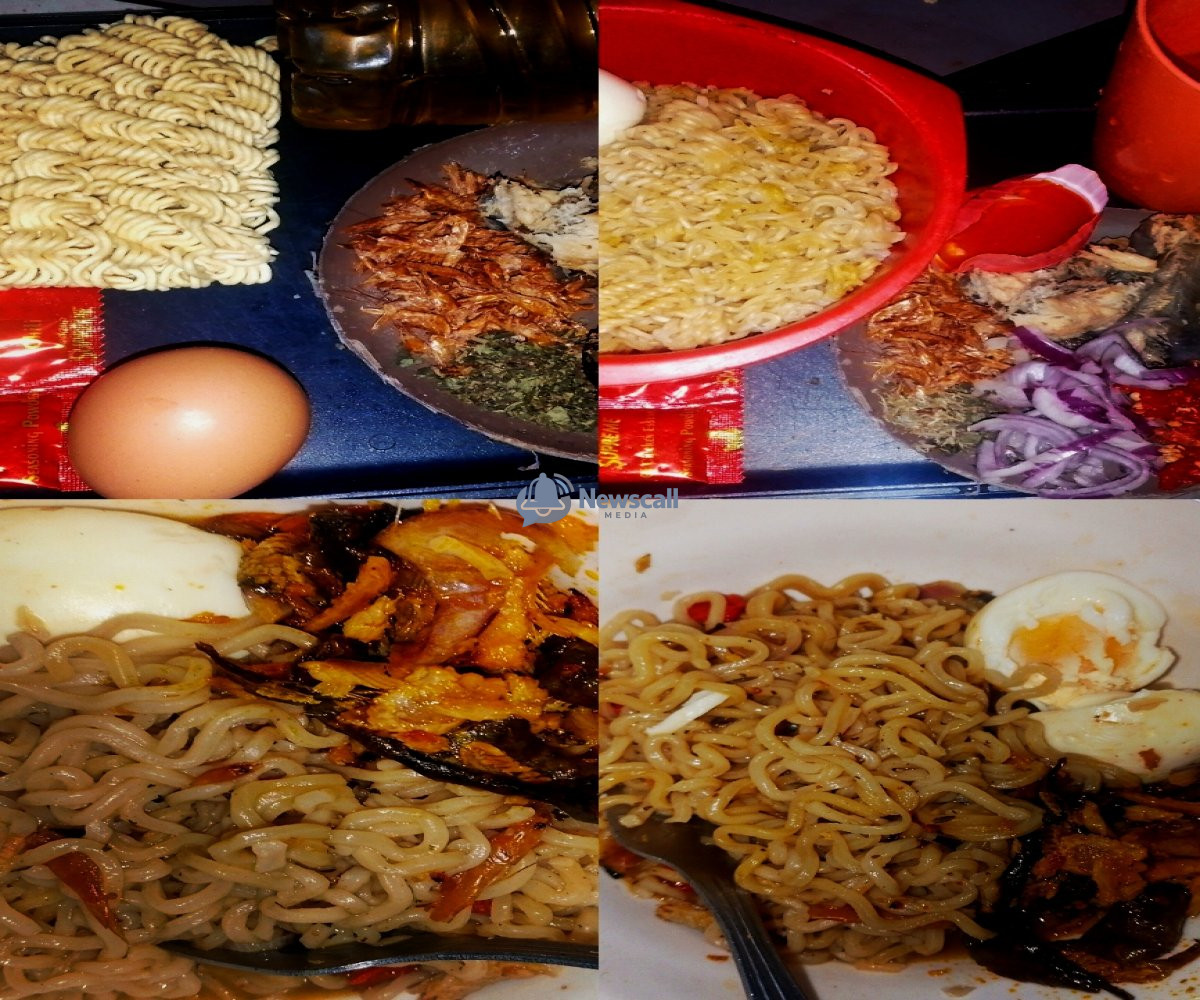
When you only have one or two meals, every bite counts. A bowl of instant noodles won’t cut it. Think of your plate as a multivitamin: aim for lean protein (30–40g per meal), healthy fats (avocado, nuts, olive oil), high-fiber vegetables, and complex carbs (quinoa, sweet potato). Missing a nutrient group for days can lead to brain fog or hair loss.
2. Time Your Eating Window Wisely
Most people do well with a 4-6 hour eating window. For two meals, try 11 a.m. (lunch) and 5 p.m. (dinner). For one meal, avoid eating right before bed—give your body 2–3 hours to digest. Consistency matters more than perfection; your gut thrives on routine.
3. Hydrate Like It’s Your Job
Hunger pangs often mask thirst. Without small meals, you lose the water that normally comes with food. Aim for 8–12 cups of water, herbal tea, or black coffee (if tolerated). Electrolytes (sodium, potassium, magnesium) are especially critical add a pinch of sea salt to your water or sip on bone broth.
4. Listen to Red Flags (Not Just Willpower)
Some dizziness, irritability, or low energy is common when adapting. But persistent hair thinning, cold hands, menstrual irregularities (for women), or binge urges signal your body needs more. Eating once or twice a day isn’t a moral victory if it hurts performance or mood, adjust to two meals plus a snack.
5. Make Your Meal an Event
Monotony is the enemy. People who succeed with low frequency eating often invest in variety: a colorful Buddha bowl, a hearty stew, or a full breakfast for dinner spread. Chew slowly, sit down without screens, and actually enjoy the ritual. This reduces post meal fatigue and improves digestion.
Eating once or twice daily can simplify life and sharpen focus for some. But it fails fast if you rely on processed food, skip hydration, or ignore your body’s signals. Start with two meals, master those, then try OMAD for a few days. And remember: no schedule is worth chronic fatigue or a broken relationship with food.

Umeanozie Prosper
Writer, Novelist,blogger, content creator