

Tokyo Erupts: Protesters Defend Pacifist Legacy as Arms Export Ban Falls
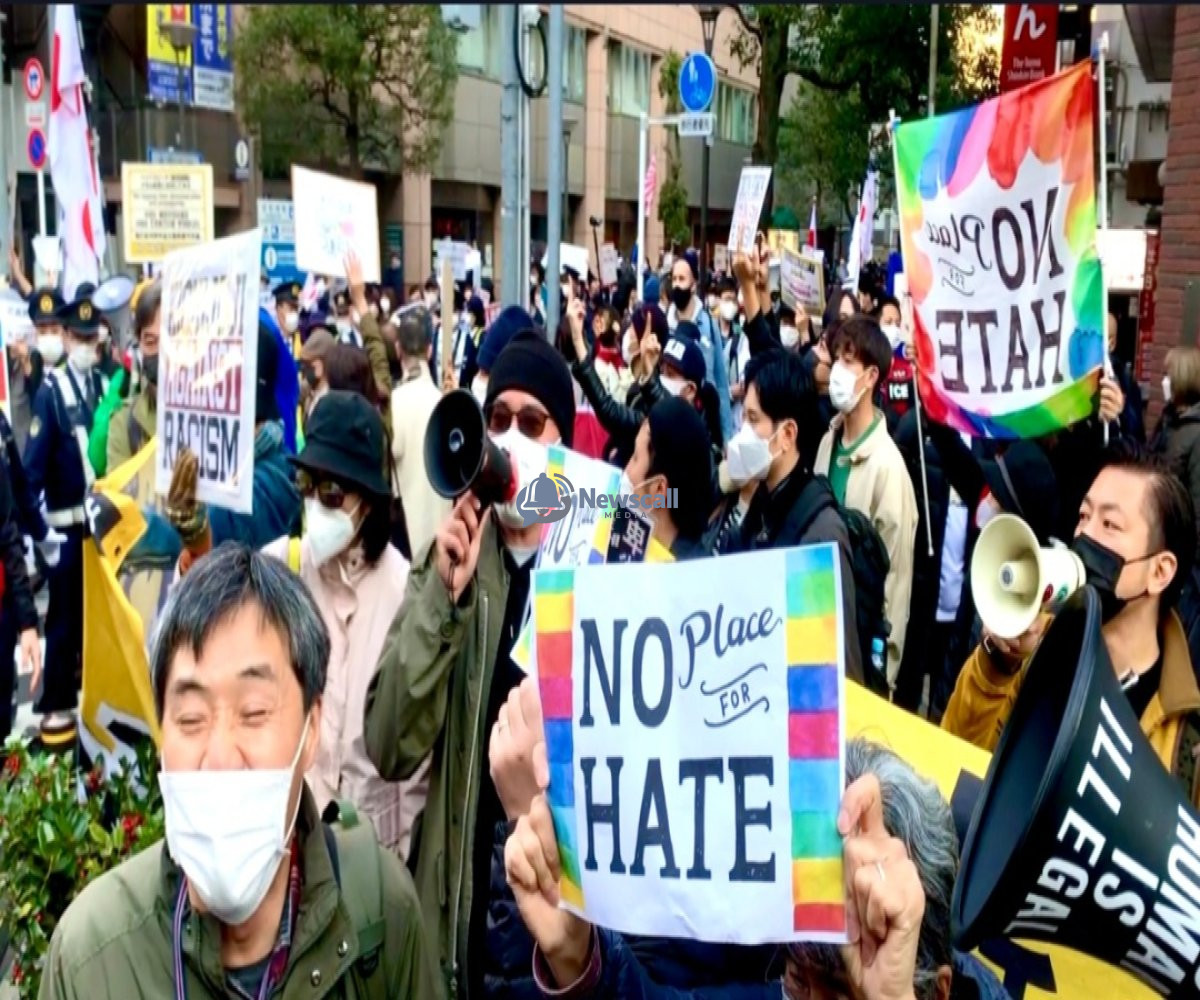
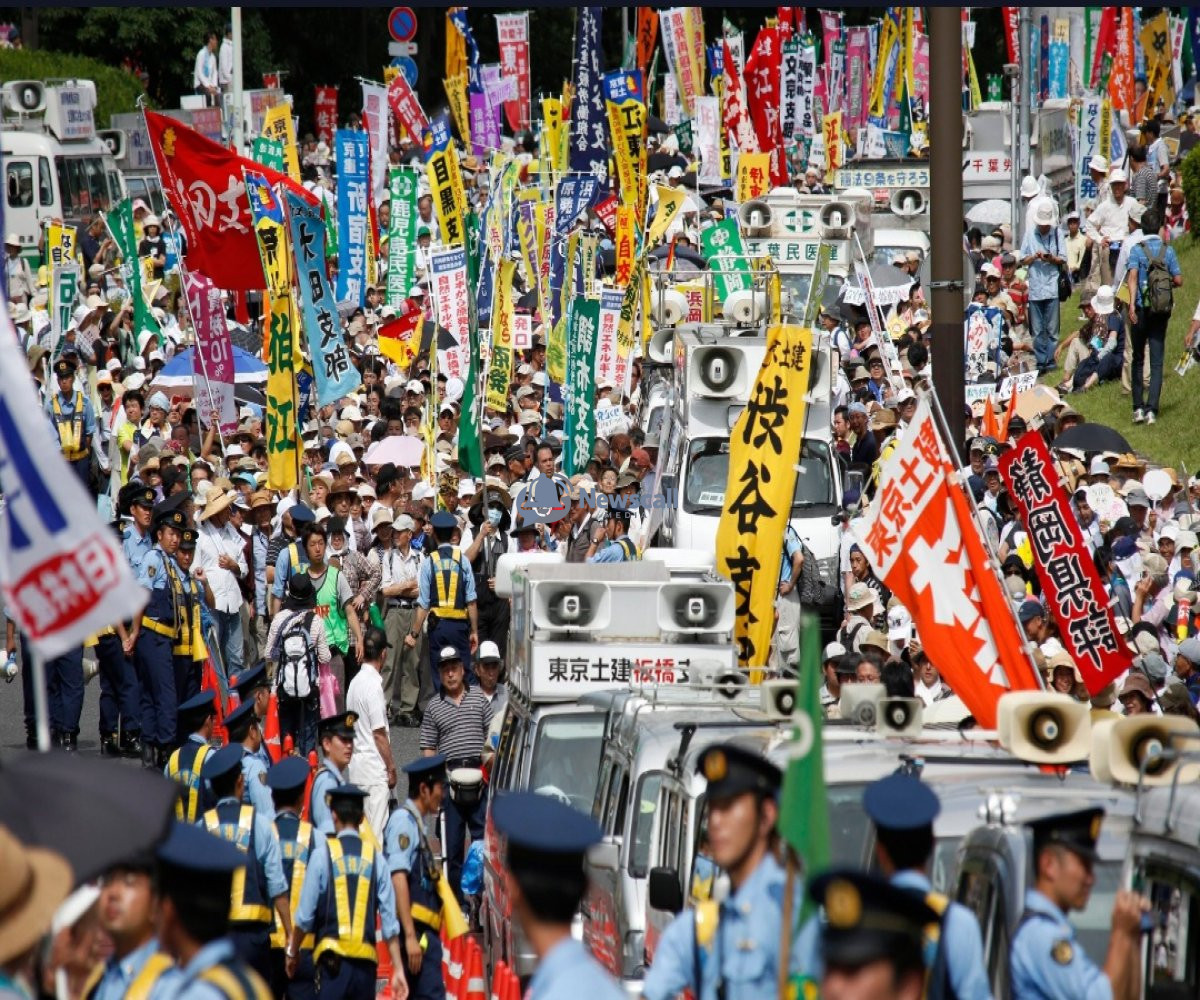
Tokyo’s bustling streets have become the stage for a profound reckoning. In late April 2026, thousands of demonstrators converged outside Shinjuku and Ikebukuro stations, their chants echoing through the neon-lit avenues: “No war!” and “Stop exporting lethal weapons!”. The protests erupted after Prime Minister Sanae Takaichi’s government announced a historic policy shift — easing restrictions on arms exports, including lethal weapons, for the first time since Japan’s post-war pacifist Constitution was enshrined.
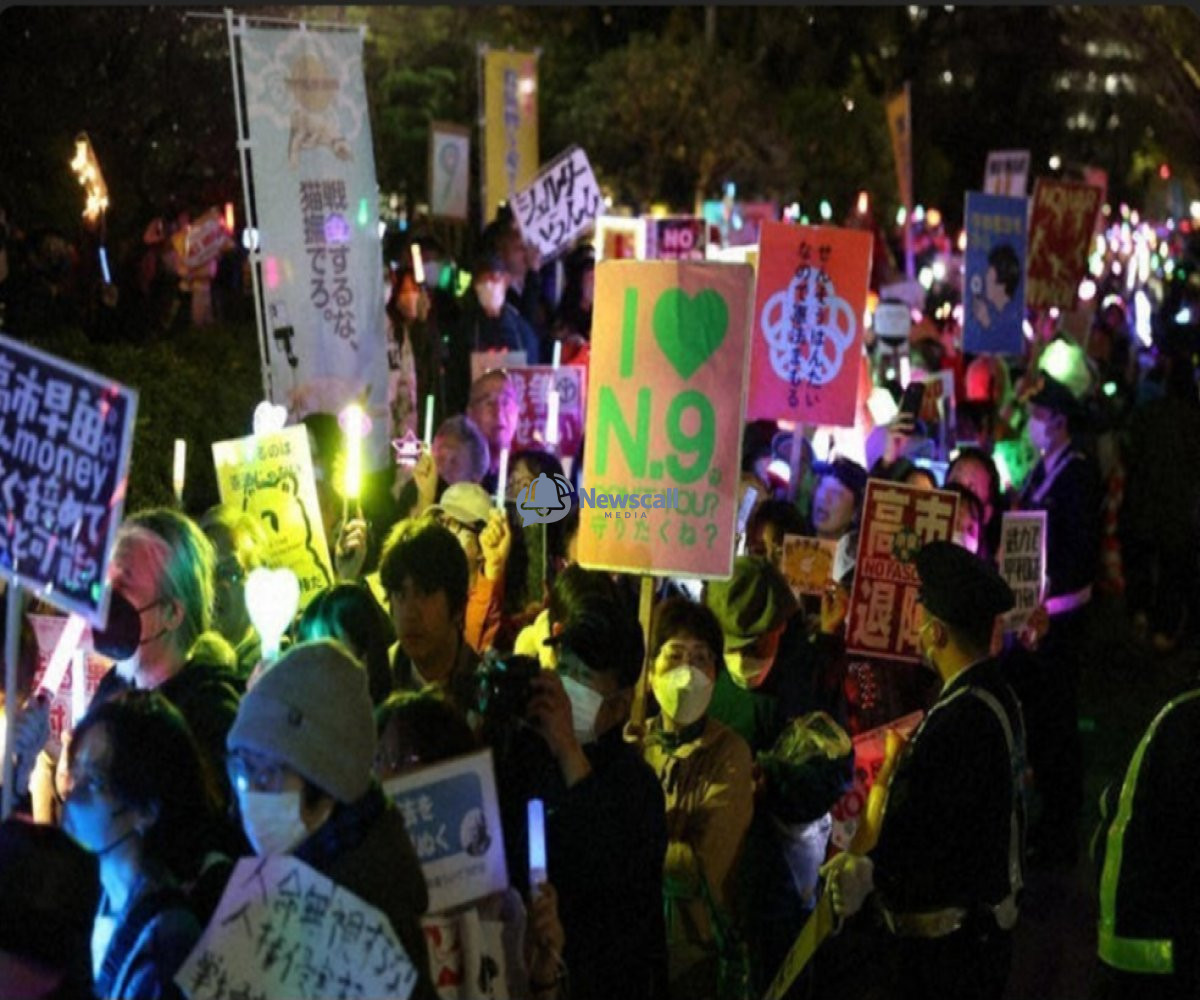
For many Japanese citizens, this decision represents not just a change in defense policy but a rupture in national identity. Since 1947, Article 9 of the Constitution has symbolized Japan’s renunciation of war. Now, critics argue, that legacy is being eroded.
Voices of Dissent
The protests have drawn a strikingly diverse crowd — from elderly survivors of wartime hardship to young activists fearful of a militarized future.
- Ryozo Sawada, 74, told reporters he felt “an unbearable sense of humiliation,” recalling that Japan’s pride lay in renouncing war.
- Masako, 29, described the policy as “incredibly frightening,” lamenting that a small group of leaders had undone decades of peace.
- Opposition parties, including the Japanese Communist Party, joined the rallies, warning that arms exports could fuel conflicts abroad and undermine Japan’s constitutional principles.
Placards carried by demonstrators read: “Military force cannot bring peace” and “Takaichi step down.” The symbolism was unmistakable — a rejection of militarization and a plea to preserve Japan’s pacifist ethos.
Government’s Defense
Prime Minister Takaichi insists that Japan’s “core principles” remain intact. Under the new framework, weapons can only be exported to countries pledging adherence to the United Nations Charter. The government argues that the policy will strengthen Japan’s global standing, bolster economic growth, and align with allies like the United States.
Yet public opinion remains divided. A March survey revealed that half of respondents opposed the change, while only 32 percent supported it.
Wider Implications
The protests are not isolated. They form part of a broader wave of demonstrations across Japan, reflecting unease with Takaichi’s assertive security stance. Critics warn that her policies — from military buildup to proposed intelligence reforms — risk transforming Japan into a “war-waging nation.”
Internationally, the move could reshape Japan’s role in global security. Supporters see it as a pragmatic step toward deterrence in a volatile region, particularly amid tensions with China and North Korea. Opponents, however, fear entanglement in foreign conflicts and the erosion of Japan’s moral authority as a pacifist state.
A Defining Moment
The protests in Tokyo are more than a reaction to policy; they are a battle for Japan’s soul. For a nation that has long defined itself by peace, the decision to export weapons marks a turning point. Whether this shift heralds a new era of assertive global engagement or a dangerous departure from cherished principles remains uncertain.
What is clear is that the streets of Tokyo have spoken — loudly, passionately, and with a conviction that the world cannot ignore.

OKORO WILSON EGWU
“Independent journalist delivering sharp, reporting on global conflicts, humanitarian crises, and international diplomacy. Known for transforming complex world events into...