

US-Iran Truce Holds Despite Tensions as Israel Faces Rare Criticism from Trump.
Lebanon attacks threaten fragile agreement, with Washington pressuring Netanyahu to show restraint.
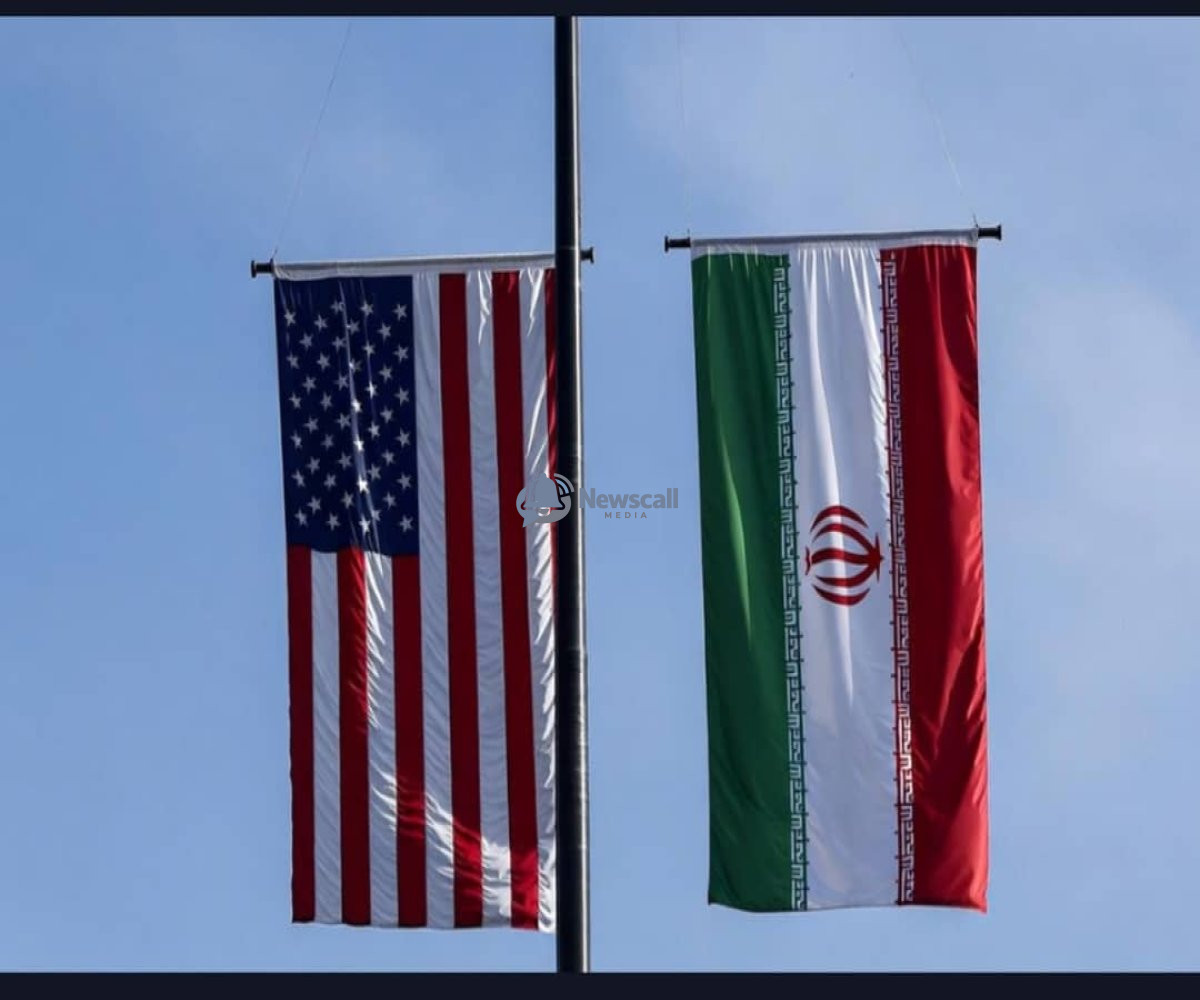
In a dramatic twist to the Middle East's longest running conflict, a ceasefire agreement between the United States and Iran is holding but just barely. Despite a flurry of Israeli attacks that have killed four people in southern Lebanon, both sides appear committed to a path toward peace, even as old tensions simmer beneath the surface.
The Uncomfortable Truth: Israel's Attacks Continue:
If you've been following the news from Lebanon this week, you already know things are complicated. The US-Iran memorandum of understanding, signed just days ago, was supposed to calm things down. Instead, we're seeing Israeli forces push deeper into Lebanese territory, with drone strikes hitting towns like Mayfadoun and ground forces moving toward the city of Nabatieh.
The numbers tell a stark story. According to the UN, cross border fire has dropped dramatically from 705 projectiles two Sundays ago to just 174 this past Sunday. But here's the thing: 169 of those came from Israeli forces, and only 5 from Hezbollah.
Trump's Surprising Rebuke of Netanyahu:
In a moment that's got political analysts scratching their heads, President Trump has publicly criticized Israeli Prime Minister Benjamin Netanyahu, saying he needs to be "more responsible" in Lebanon. That's diplomatic language for "stop it."
Doug Bandow, who used to work for Ronald Reagan, put it bluntly to Al Jazeera: "If Trump does not apply real pressure, if he can't find a way to do so, it's going to turn out to be theatrics. And the Iranians are not likely to find that satisfactory. It could blow up the agreement."
The big question hanging over everyone's heads: will the US actually use its leverage? Washington provides billions in military aid to Israel, but no American president has ever been willing to cut that flow completely.
What's Actually in This Deal?
Vice President Vance has been doing the media rounds, painting the agreement as a major win. He says Iran will let nuclear inspectors back in to help "destroy the highly enriched stockpile." But the Iranians? They're saying nuclear negotiations haven't even started yet.
This is where things get tricky. According to Seyed Hossein Mousavian, a former Iranian diplomat who's been in these negotiations before, the real fight will be "to reconcile Iran's insistence on maintaining a peaceful enrichment programme under the [Non-Proliferation Treaty], with Washington's demand for stringent restrictions."
Translation: Iran wants to keep enriching uranium for nuclear power. The US wants them to stop completely. That's a pretty big gap to bridge.
On the Ground: A Mixed Picture:
Our reporters on the ground in Beirut are hearing a troubling story. Hezbollah understands from their Iranian allies that an Israeli withdrawal from Lebanon should be part of the final deal and that there would be no nuclear agreement without it. But Israeli forces haven't actually pulled back from any positions.
Meanwhile, on the oil front, Iranian tankers are starting to slip past the US Navy blockade. Three tankers have now made it through, including the Sonia I carrying one million barrels of crude oil. Iran says the deal means an immediate end to Washington's naval blockade.
In the West Bank: Another Front Opens:
While everyone's focused on Lebanon, things are heating up in the West Bank too. Israel's far right finance minister, Bezalel Smotrich, has made a move to strip Palestinian authorities of planning powers in Hebron including over the Ibrahimi Mosque, a holy site sacred to both Muslims and Jews.
Peace Now, an Israeli rights group, isn't mincing words: "The measure is based on an apartheid principle," they said in a statement. "Smotrich the arsonist is trying to set the West Bank ablaze."
Palestinian Foreign Minister Varsen Aghabekian Shahin is calling on the international community to act, insisting that "Israel has no sovereignty over Hebron or any part of occupied Palestinian territory."
The 60 Day Clock Is Ticking:
Here's what nobody's saying out loud: the current agreement is just a 60 day memorandum. The hard negotiations haven't even started yet. Analysts say the talks will need to address uranium enrichment levels, the fate of advanced centrifuges, and what happens to Iran's existing nuclear stockpile.
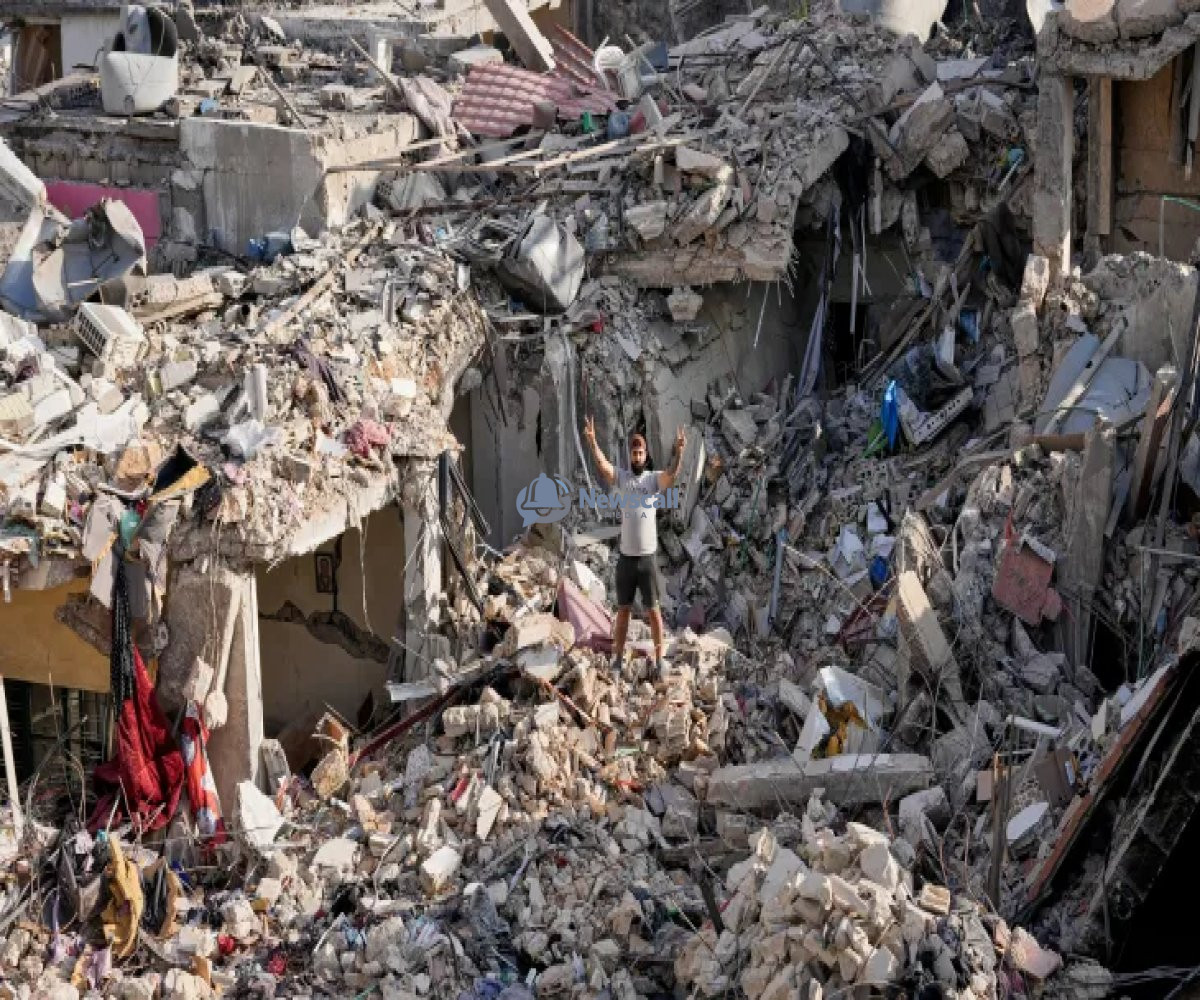
For now, people in southern Lebanon are cautiously returning to their shattered towns and villages. Some flash victory signs as they pick through the rubble of their destroyed homes. But with Israeli forces still on the move, and Trump and Netanyahu clearly at odds, the peace feels fragile like it could break apart at any moment.

Umeanozie Prosper
Writer, Novelist,blogger, content creator