

33 Years After June 12, Nigerians Ask: Where Are the Real Dividends of Democracy?
Every June 12, Nigeria pauses. Not just for a ritual, but to remember a wound that never fully healed.the annulment of what many believe was the country’s freest election. And each year, as we mark another Democracy Day, the same troubling questions surface: Why does it still feel like we're not getting it right? Why do fewer and fewer of us bother to vote?
We’ve had 33 years of presidential democracy (if you count from that fateful 1993 election, and 27 years of unbroken civilian rule since 1999). But ask the average Nigerian on the street, and they’ll tell you: democracy hasn’t quite delivered the goods. The checklist looks good on paper elections, rule of law, separation of powers but the "people element," the very soul of democracy called popular sovereignty, feels missing.
The Apathy is Real:
Let’s talk about the last general election. Over 84 million people registered to vote, but less than 30% actually showed up. That’s not just laziness; that’s a silent protest. People are tired. Tired of voting for leaders who disappear after the swearing in, tired of poverty, tired of feeling like their voice doesn't matter.
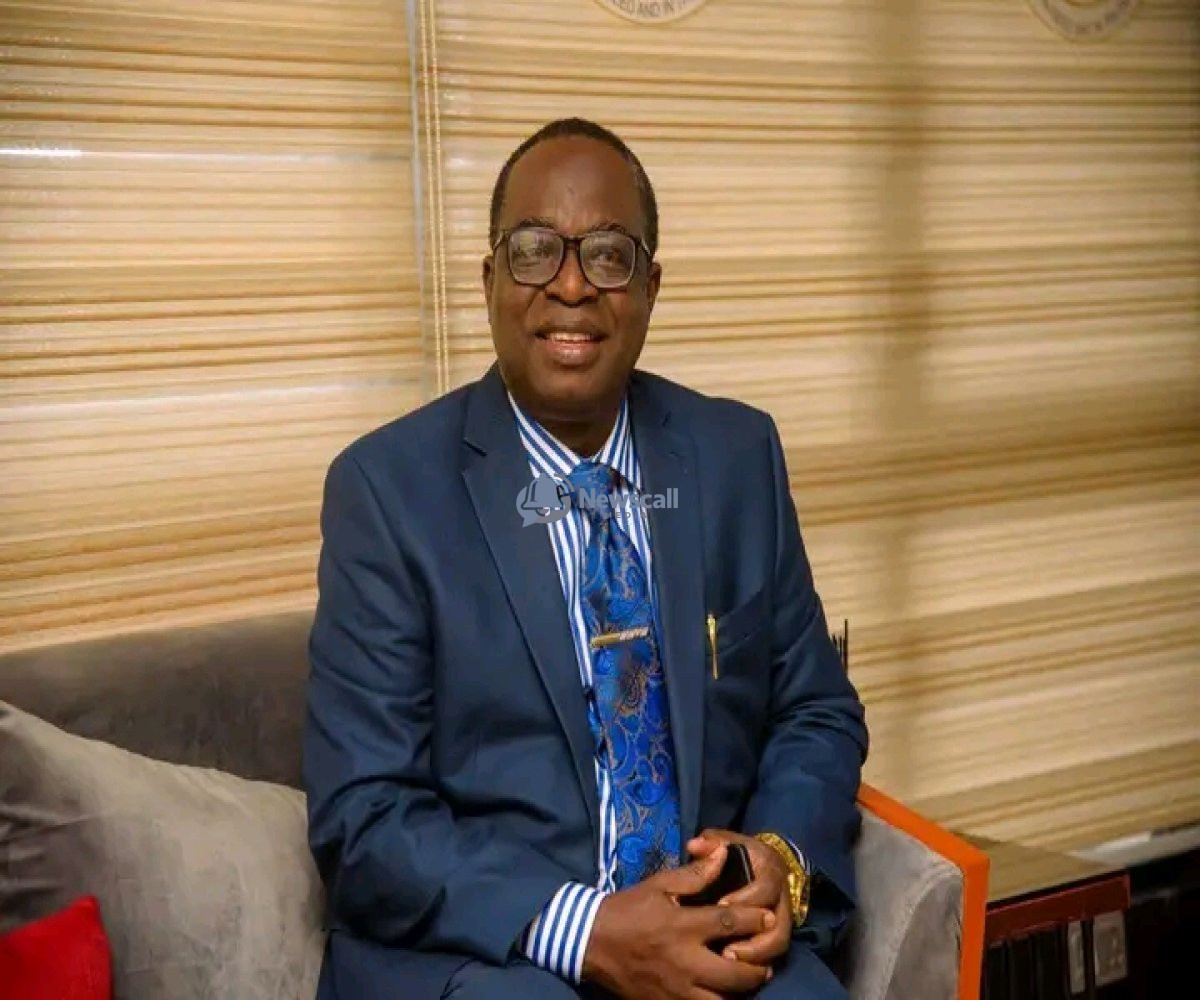
Professor Olusoga Olabode, a law expert, puts it plainly: many Nigerians have simply given up. They can’t see how democracy changes their daily life. He points a finger squarely at the political class. “The politicians are the biggest obstacle,” he says. “They’ve failed to turn political power into meaningful development.”
And then there’s INEC. How can you trust an umpire appointed by the same president who is also a candidate? That’s the conflict Professor Olabode and others keep hammering on. As long as the executive handpicks the electoral chief, the suspicion of bias will never go away.
A Broken System or Broken Trust?
Sola Ebiseni, Secretary General of Afenifere, believes the problem is deeper than just bad officials. It’s structural. He argues that Nigeria’s democracy is built on a faulty foundation a highly centralized system that pretends to be a federal one. “We have a unitary police force, too much power in Abuja, and weak states,” he notes. That contradiction, he says, fuels agitations for state police and true restructuring.
But not everyone is despairing. Osita Okechukwu, a former DG of Voice of Nigeria, urges us to see the glass as half full. “We’ve had 27 years of uninterrupted democracy,” he reminds us. “That’s a miracle.” He points to former President Goodluck Jonathan’s phone call conceding defeat in 2015 as a golden moment that canonized our democracy. He also notes that in 2023, nine sitting governors lost their bids for Senate proof that elections can still spring surprises.
What Would a Real Fix Look Like?
Across the board, the suggestions are eerily similar:
1. Insulate INEC: Take the appointment of the electoral commission chair out of the president’s sole hands. Let a body of respected Nigerians do it.
2. Deploy Real Tech: Professor Sekinat Kola-Aderoju, who has seen how Canada does it, says technology can drastically reduce human interference and bribe taking.
3. Consider a New System: Many are now openly asking if the expensive, winner takes all presidential system is right for us. A parliamentary system or a hybrid model is being floated as a possible cure.
4. Restore Trust: Governor Siminalayi Fubara of Rivers State captured it best when he said democracy isn't just about voting every four years. It’s about daily accountability, tolerance, and justice.
The Longing for Another June 12
Perhaps the most poignant comment came from Ezonebi Oyakemeagbegha, a former INC spokesman. He says Nigeria does have courageous people capable of running a free and fair election we proved it on June 12, 1993. The problem is that the current political class knows they lack genuine popular support, so they will never allow that kind of purity again.
“One thing is certain,” he says with a hint of hope. “No matter how long it takes, Nigeria will experience another June 12 moment when ordinary people will freely choose their leaders, when elections will once again be free and fair, and when every vote will truly count.”
For now, though, the nation waits. Democracy Day arrives, the speeches are made, the heroes are honoured. And the people keep hoping that one day, the dividends will finally trickle down.
Umeanozie Prosper
Writer, Novelist,blogger, content creator