

Atiku, Economists Question Tinubu's $516m Highway Loan Plan
Atiku, Economists Question Tinubu’s $516m Highway Loan Plan
April 24, 2026
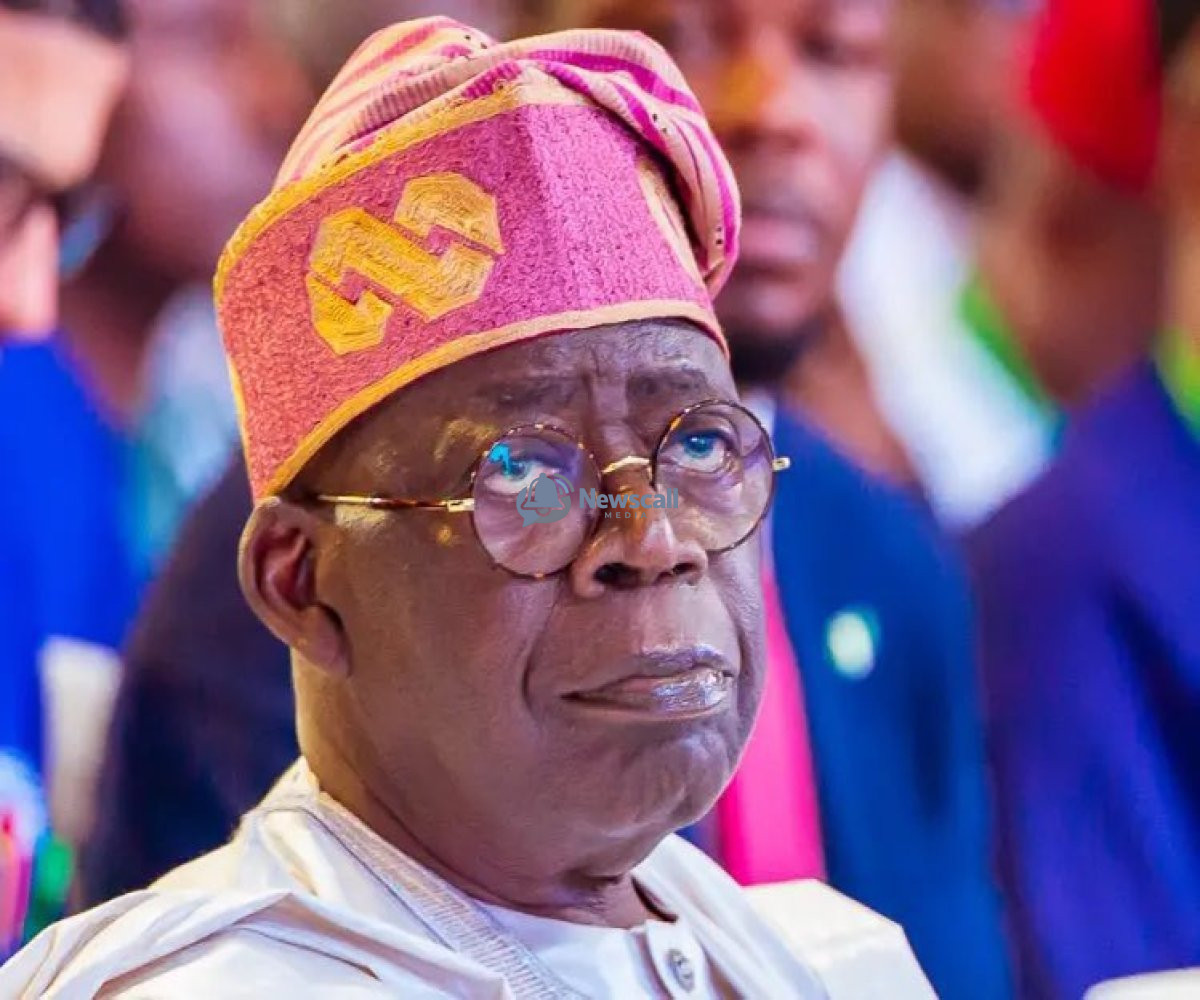
Former Vice President Atiku Abubakar and several economists have expressed concerns over President Bola Tinubu’s request for Senate approval of a $516 million external loan intended to fund parts of the Sokoto–Badagry Super Highway project.
The President formally wrote to the Senate, led by Godswill Akpabio, seeking approval for a $516,333,070 facility expected to be sourced from Deutsche Bank. The request was presented during plenary on Thursday, initiating legislative review.
According to the proposal, the loan will finance Sections 1, 1A, and 1B of the 1,000-kilometre highway, linking key states including Sokoto, Kebbi, Niger, Kwara, Oyo, Ogun, and Lagos, and stretching from Illela to Badagry. The project is one of the administration’s flagship infrastructure initiatives aimed at improving connectivity and economic integration.
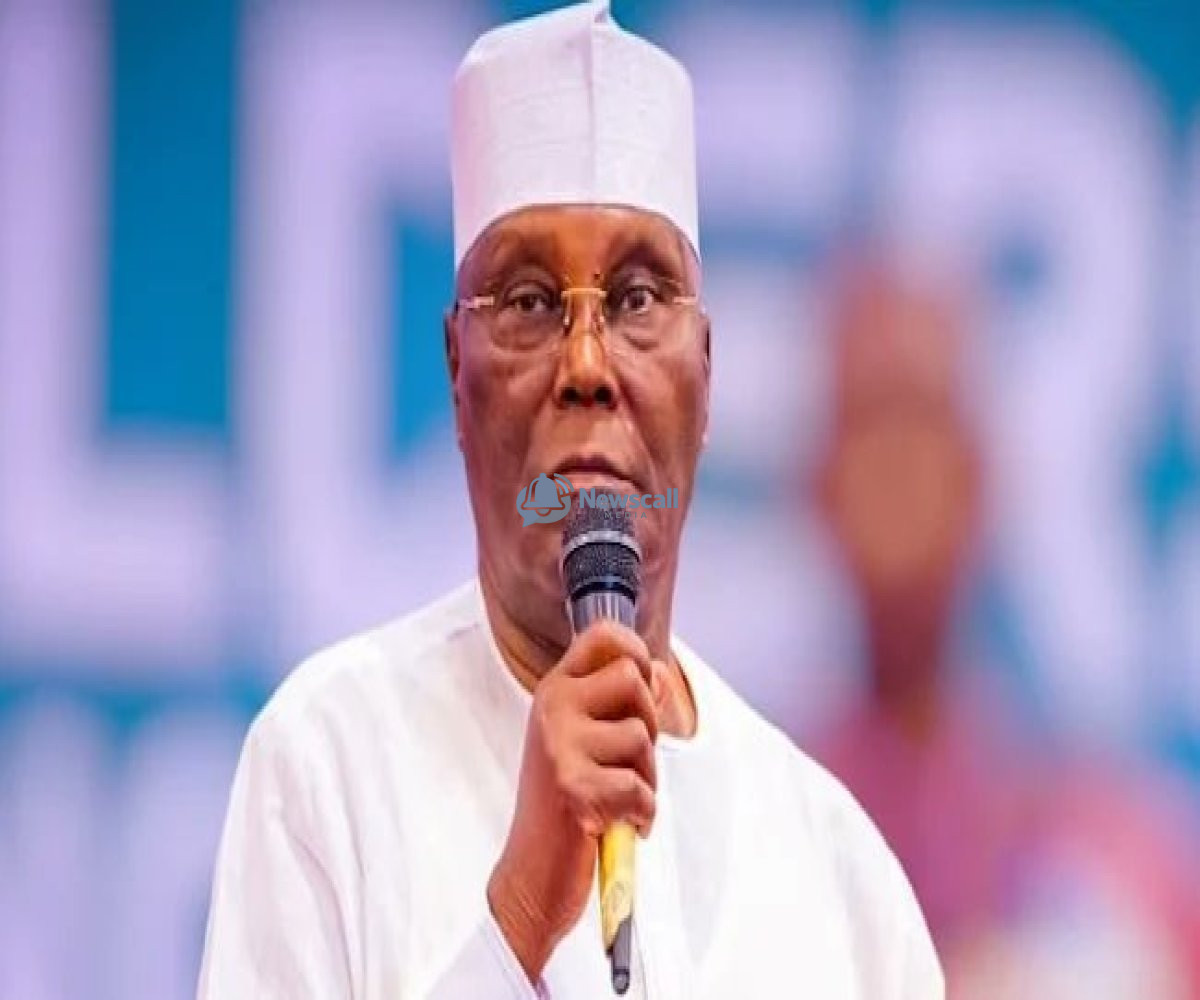
While acknowledging the strategic importance of the highway, Atiku warned against Nigeria’s rising debt burden and questioned the transparency surrounding borrowing decisions. In a statement issued by his aide, Phrank Shaibu, he stressed the need for clear loan terms, detailed cost-benefit analysis, and a credible repayment plan.
He cautioned that development efforts should not come at the expense of long-term fiscal stability, noting that poorly structured borrowing could shift financial burdens to future generations. He also urged the National Assembly to subject the loan request to thorough scrutiny, warning against approving external financing without adequate evaluation.
Economic analysts offered mixed reactions. Professor Akpan Ekpo of the University of Uyo raised concerns about Nigeria’s growing exposure to external debt, pointing out that the country’s revenue base remains fragile and heavily dependent on oil. He emphasized that debt repayment is driven by revenue, not GDP, and warned that insufficient financial planning could turn such loans into long-term liabilities.
Ekpo further suggested alternative financing models, including Public-Private Partnerships, concessions, and Sukuk instruments, arguing that these options could reduce reliance on foreign borrowing while strengthening domestic economic participation.
In contrast, Dr Ayo Teriba, Chief Executive Officer of Economic Associates, defended the loan, describing it as appropriate for infrastructure projects with long-term economic returns. He noted that the highway could generate income and stimulate economic activity, making the borrowing justifiable—especially given the relatively lower interest rate compared to previous loans.
However, Teriba also criticized the limited involvement of local financial institutions, calling for reforms that would enable Nigerian banks to participate more actively in funding large-scale infrastructure. He highlighted the significant liquidity tied up in regulatory reserves and suggested that, if properly structured, such funds could be redirected toward national development projects.
President Tinubu maintained that the highway project would enhance connectivity, reduce travel time between Sokoto and Lagos, and support economic growth across the corridor. The Senate has since referred the loan request to its Committee on Local and Foreign Debts for further review.

Nwekwe Esther Amarachukwu
Public speaker,Research-driven writer covering politics and public affairs, committed to accuracy, and meaningful public discourse.