

King Charles Walks a Tightrope in Washington as Trump’s Iran Gambit Collides with Europe’s Fears
A Historic Visit
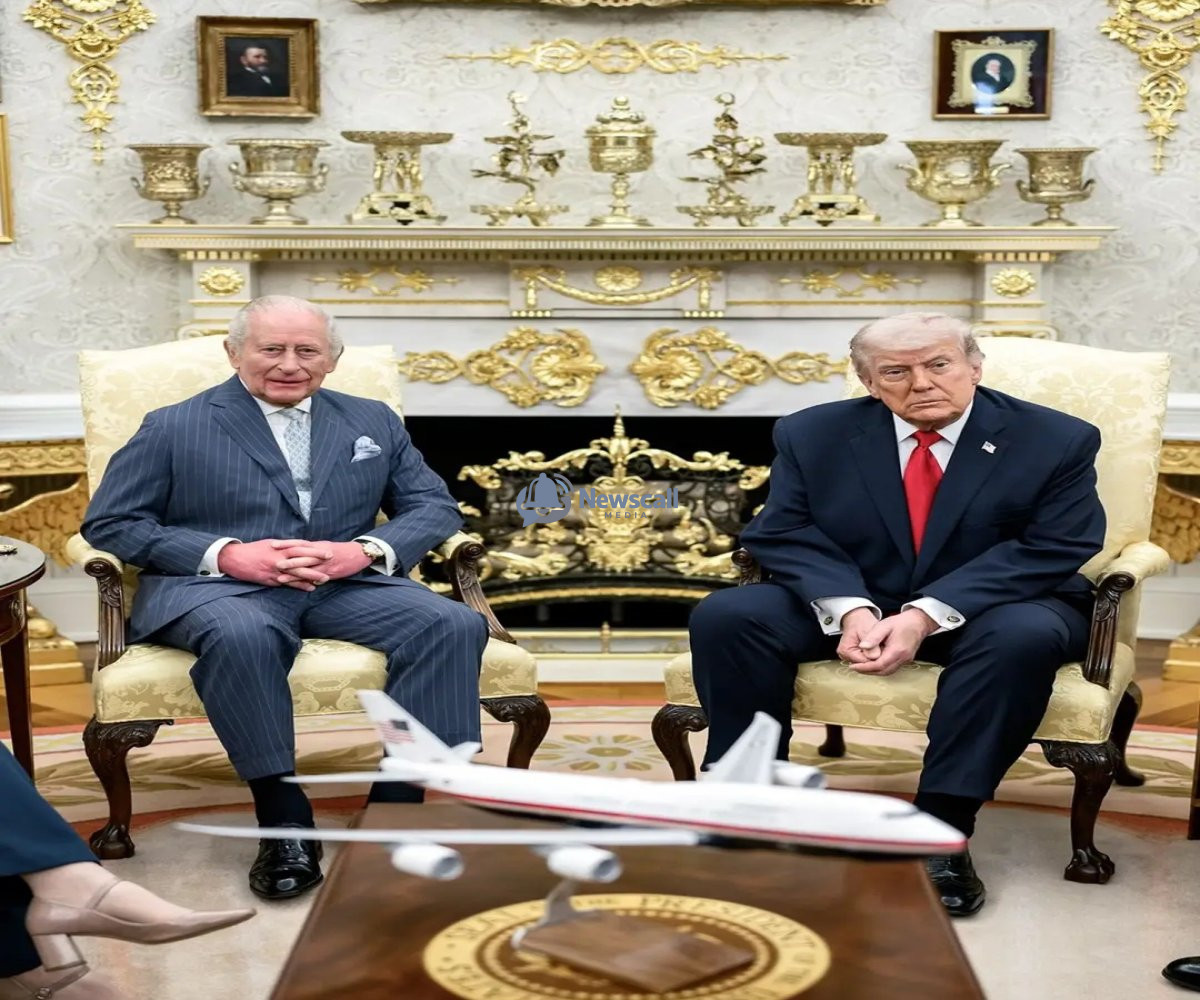
King Charles III’s four-day visit to the United States marks the 250th anniversary of the Declaration of Independence and is the first by a British monarch in two decades. The symbolism is profound: a reminder of shared history, but also a test of the “special relationship” at a time of war and division.
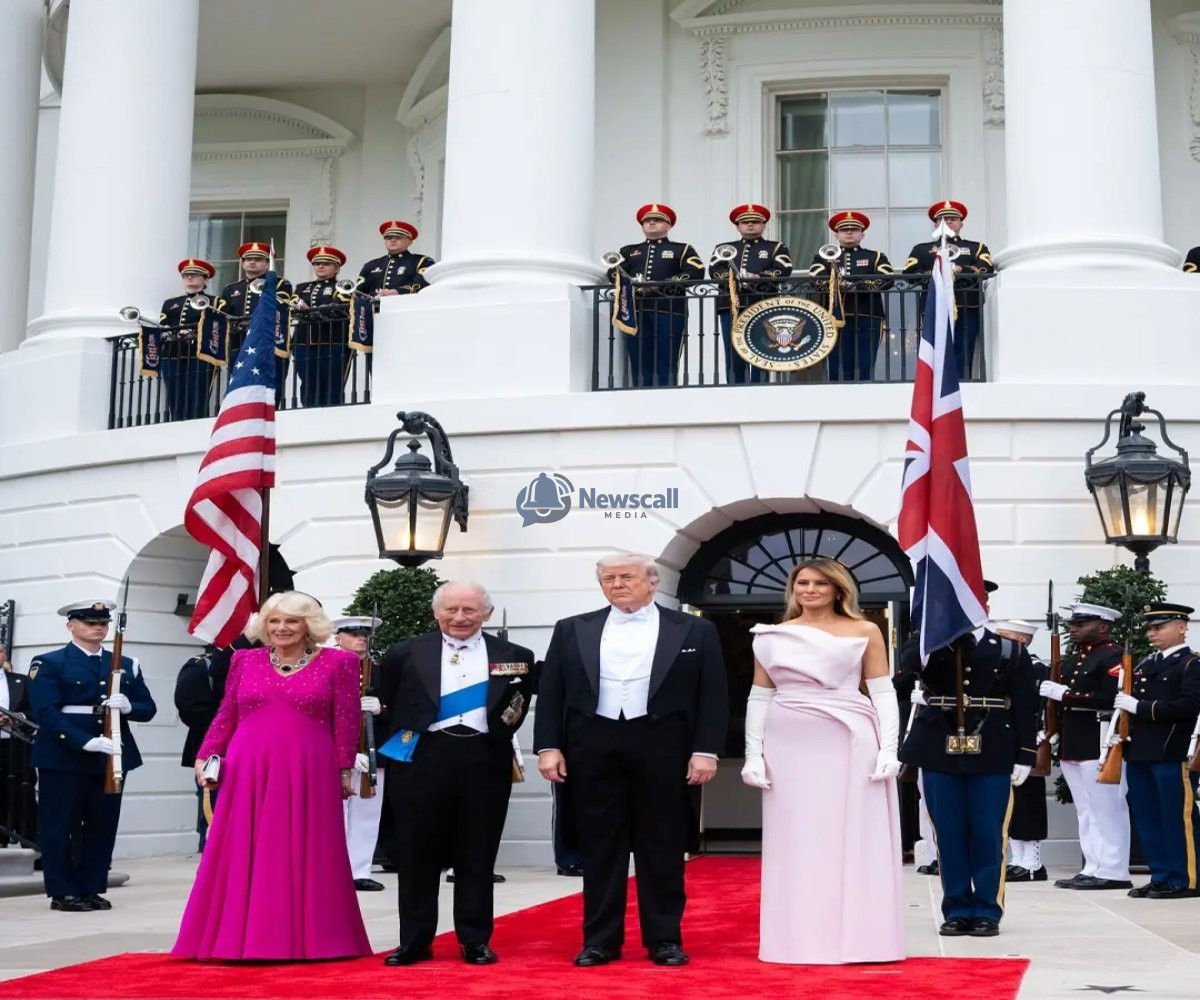
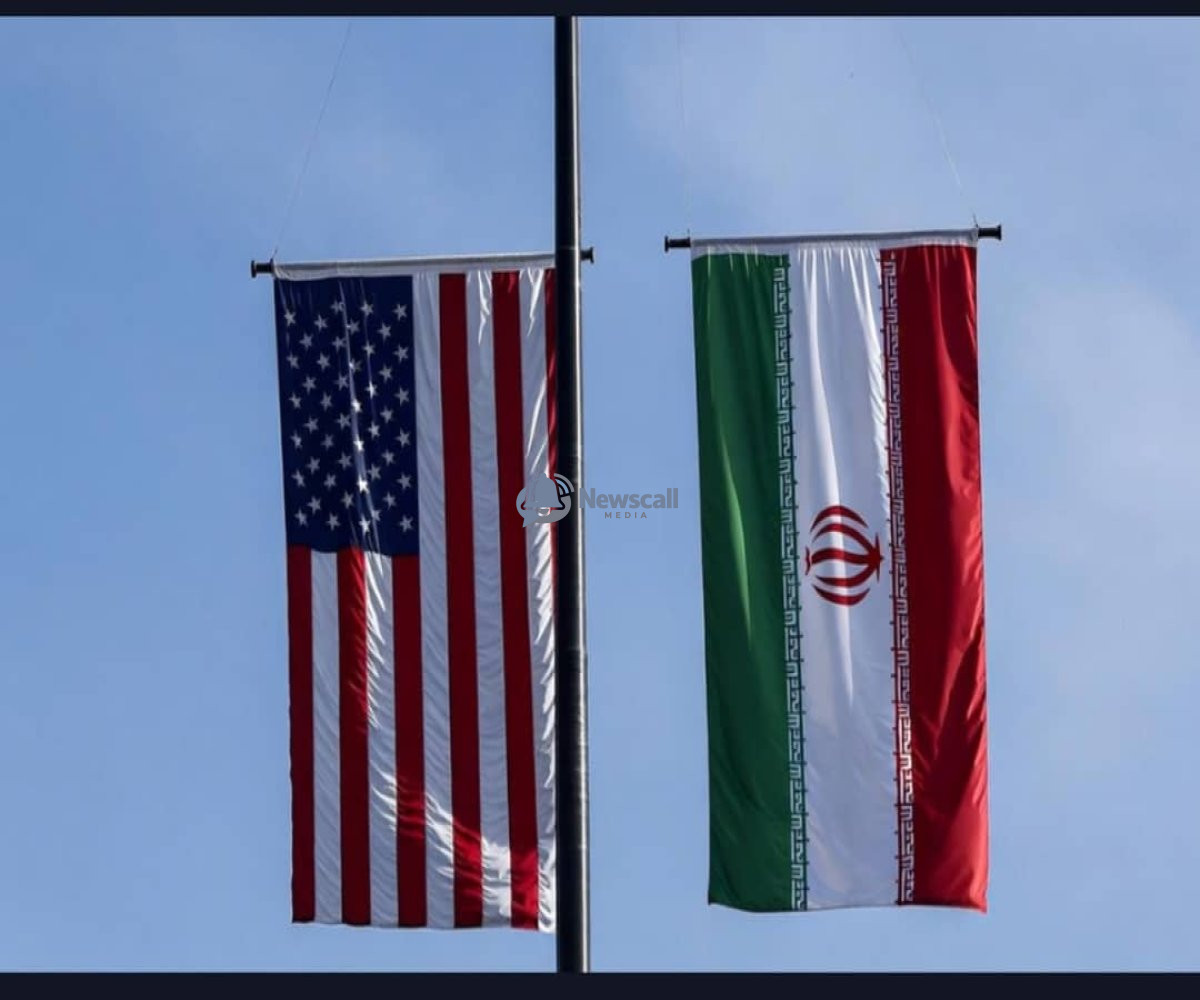
The King and Queen Camilla were welcomed with full ceremonial honours—military flyovers, cannon salutes, and a state dinner hosted by President Trump. Yet behind the pageantry lies a stark reality: the U.S. war with Iran and Trump’s criticism of NATO have strained transatlantic unity.
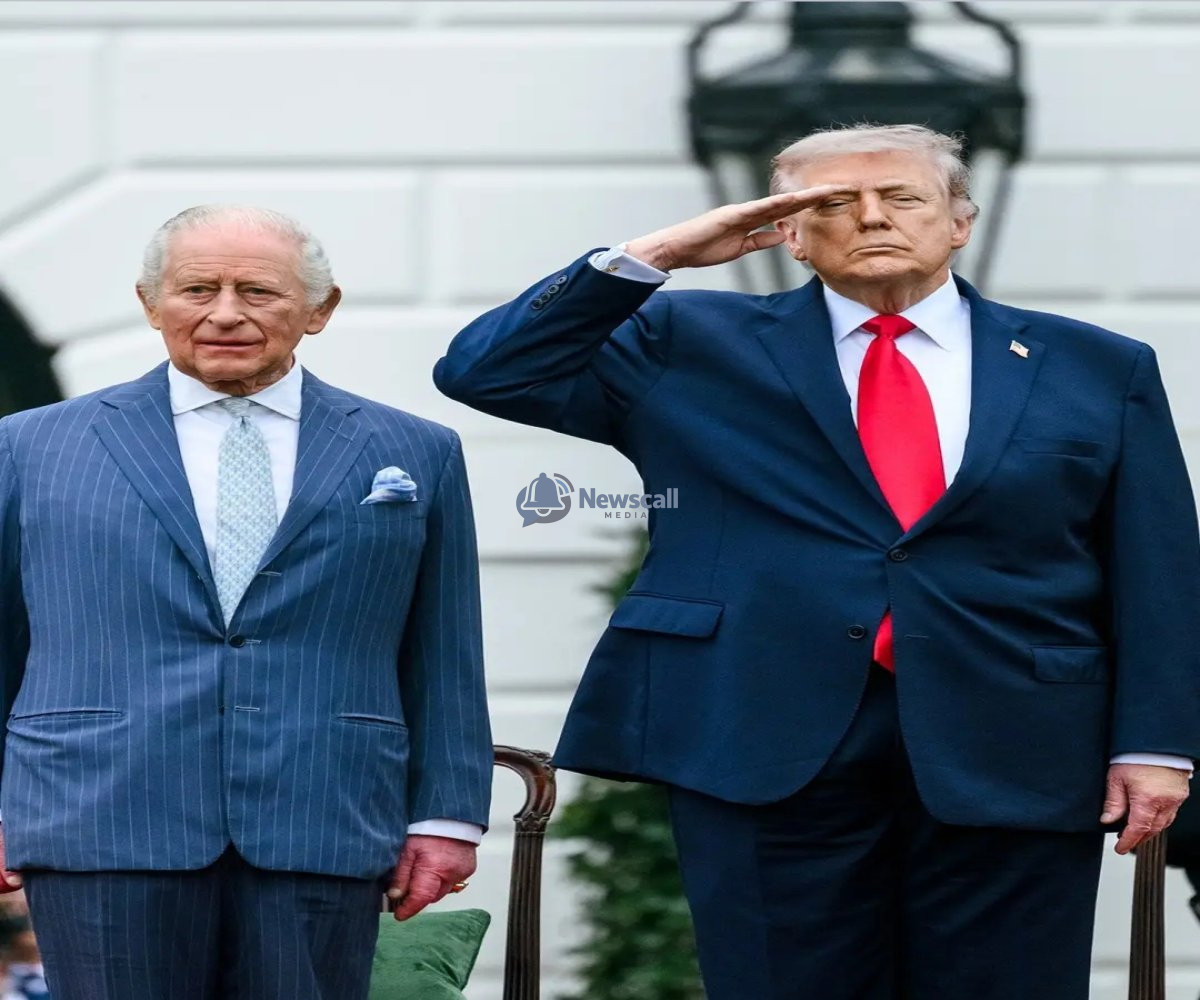
The Congressional Address
In a rare speech to Congress—only the second ever by a British monarch—Charles spoke of the “truly unique” alliance between the U.K. and U.S., stressing democracy, shared sacrifice, and the need for unity in the face of global threats. He invoked history, from two world wars to 9/11, and urged continued support for Ukraine against Russian aggression.
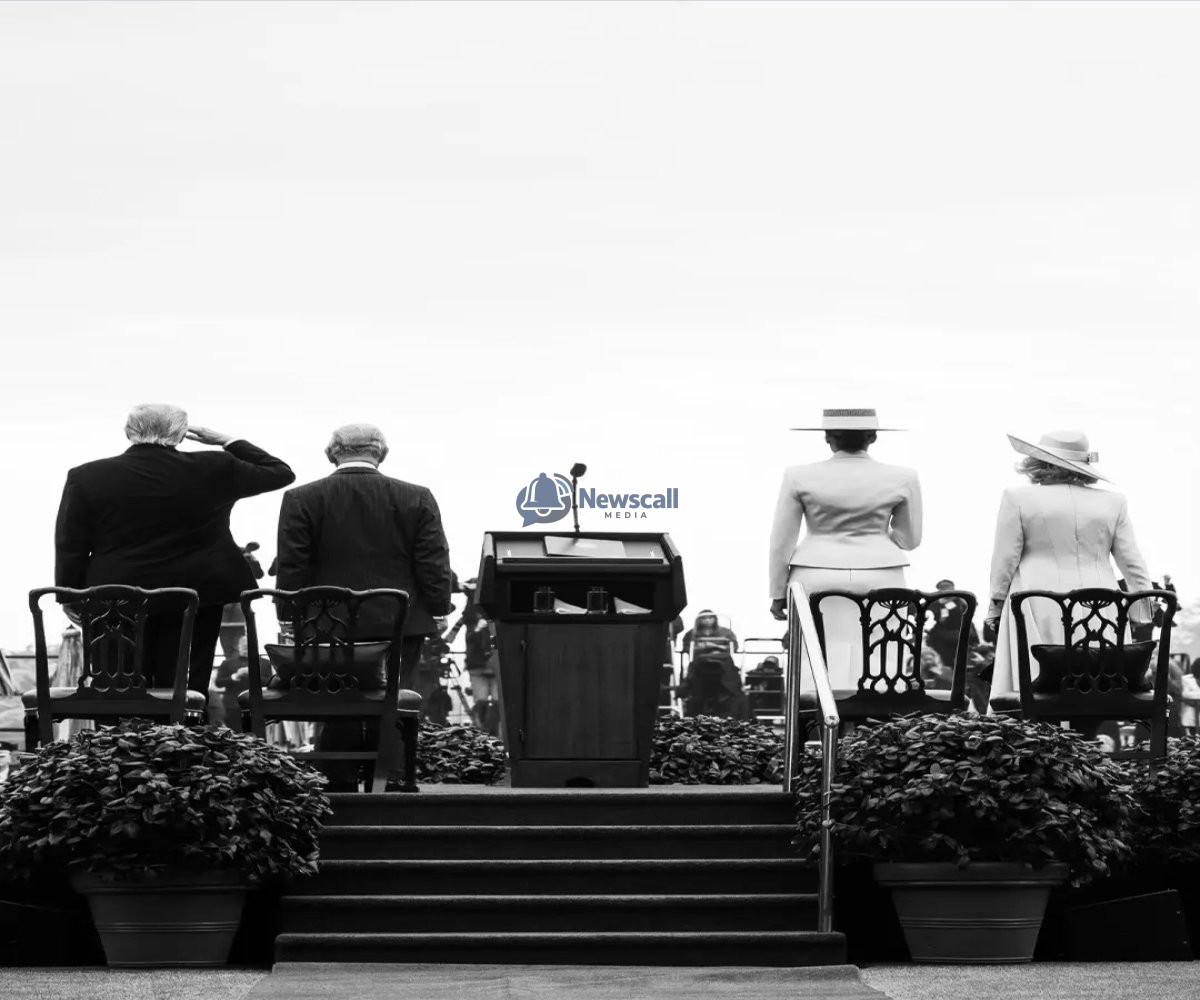
His words were carefully chosen. While Trump has pressed allies to back his Iran campaign, Charles avoided direct comment on the conflict, instead highlighting the dangers of isolationism and the importance of collective security. The standing ovation he received reflected both respect for the monarchy and relief at a message of steadiness amid turbulence.
Dinner Diplomacy
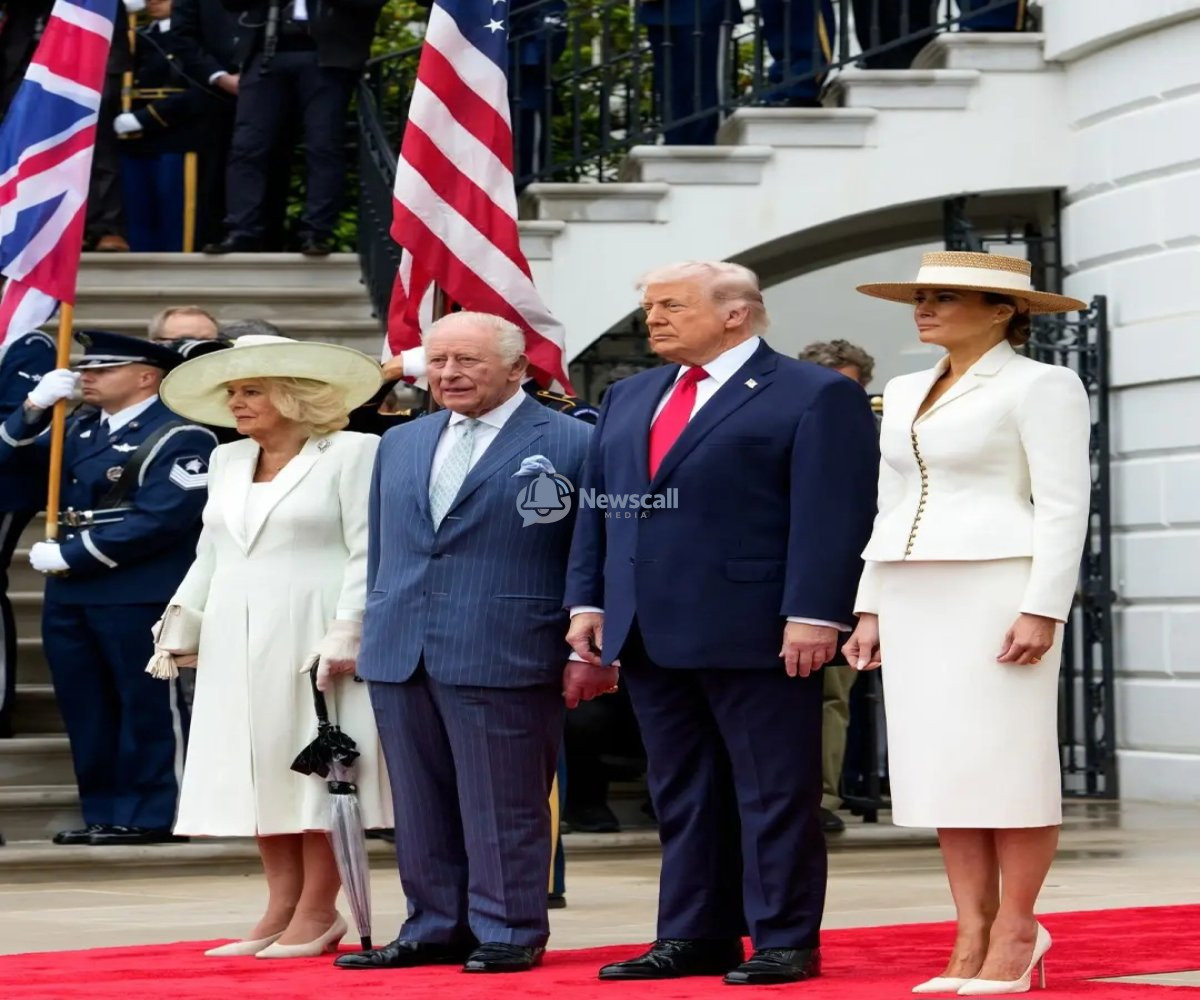
At the White House state dinner, Trump declared that Charles agreed with him on preventing Iran from acquiring nuclear weapons. The King, true to constitutional neutrality, did not respond directly. Instead, he offered a toast to the “indispensable” alliance and, with characteristic wit, recalled his mother’s 1957 visit to Washington, joking that it was meant to “help put the special back into our relationship after a crisis in the Middle East.” He added that without Britain the US would have been speaking French by now.
That humour—light, self-deprecating, and historically grounded—was a reminder that diplomacy is not only about policy but also about tone. It softened the edges of a tense evening without obscuring the underlying differences.
Europe’s Unease
For European leaders, Trump’s Iran gambit is deeply unsettling. The war has already driven oil prices above $112 per barrel, and sanctions on Iran’s banking system and Chinese oil purchases threaten global markets. Europe fears economic fallout and questions Washington’s long-term commitment to NATO. Charles’s visit, therefore, was as much about reassuring allies in Brussels as it was about honouring ties in Washington.
A Tightrope Walk
King Charles is not a policymaker; he speaks on the advice of the government and within the bounds of constitutional monarchy. Yet his words carry weight. By affirming the alliance while sidestepping direct endorsement of Trump’s Iran strategy, he walked a diplomatic tightrope—acknowledging shared values without deepening divisions.
Conclusion
The visit will be remembered for its symbolism and subtlety. King Charles’s humour at the dinner, his solemn words in Congress, and his careful neutrality on Iran all underscored the complexity of modern diplomacy.
As Europe frets over war and Washington pursues confrontation, the monarch’s role was clear: to remind both sides that alliances endure not only through shared interests but through shared history, resilience, and, occasionally, a well-timed joke.

OKORO WILSON EGWU
“Independent journalist delivering sharp, reporting on global conflicts, humanitarian crises, and international diplomacy. Known for transforming complex world events into...