
There's Disturbing Ways Smartphone Are Rewiring Human Behaviour
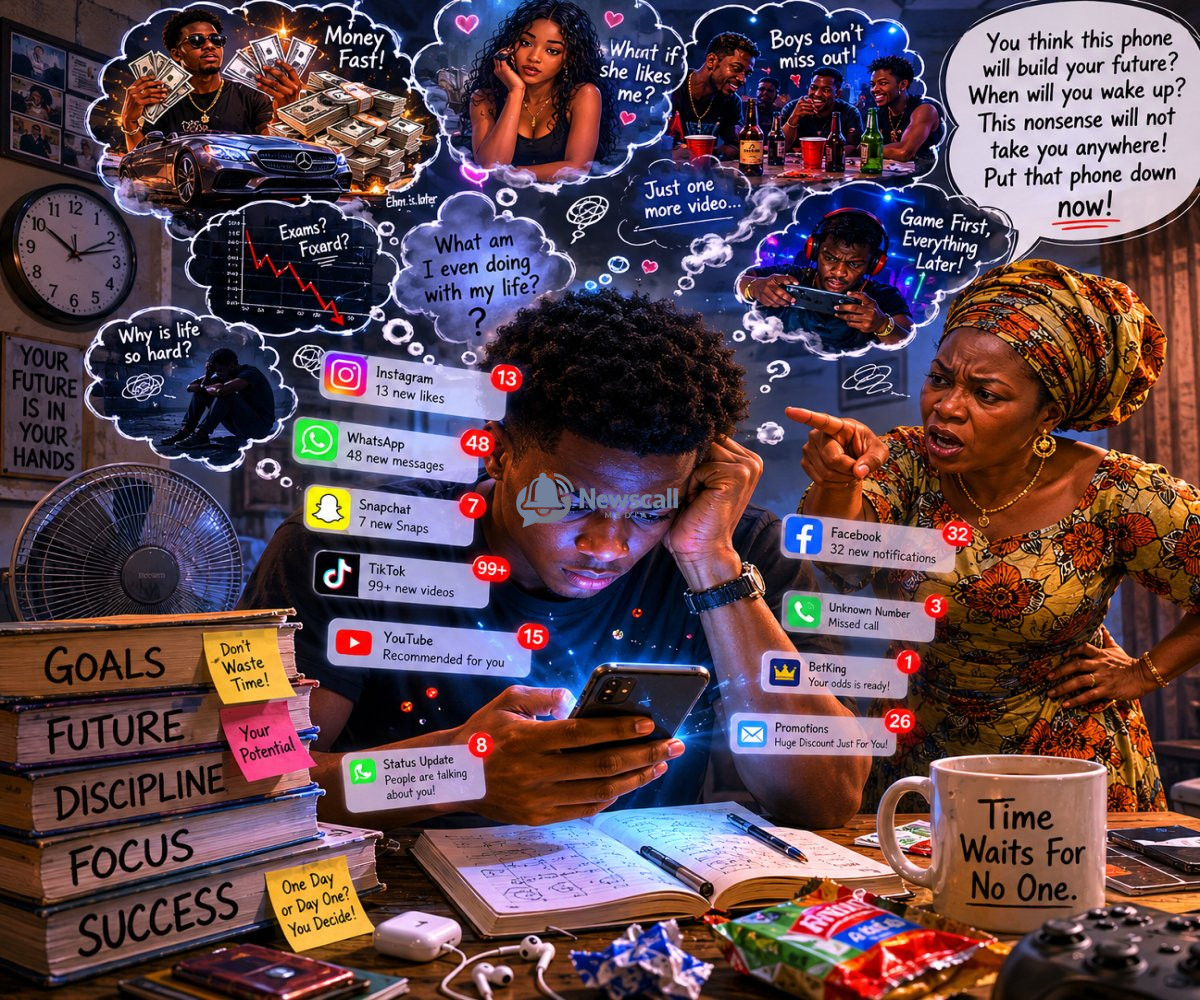
I am sure you opened this article with so much disbelief. Well this article would bring you into the light.“This article may not change your life immediately. IT might change the amount of time you spend on your smartphone.
Sleeping habits are changing. You might not believe the reason. The next two sentences would prove that smartphones affect our sleeping habits. A survey conducted by the American Academy of Sleep Medicine found that 93% of Gen Z adults admitted staying up past their bedtime because of smartphone use.
Studies have shown that most teens today report worse sleep and more late nights. Another study among university students showed that 71% of participants slept with or beside their smartphones, and those students reported significantly poorer sleep patterns.
You also do this right? You don't have to answer now. Wait till the end of this article.
The average person now spends hours every day surrounded by digital noise scrolling through short videos, refreshing social media feeds, replying to messages, or jumping from one form of entertainment to another.
Smartphones have created a world where every quiet moment can instantly be filled with stimulation, making silence feel unfamiliar to many people. One article citing long-term attention research noted that average human focus duration reportedly dropped from 150 seconds in 2004 to 47 seconds in 2024, linking the decline to smartphones and constant digital interruptions.
When did silence become something people try to help moments? Many people now instinctively reach for their phones the moment life becomes still. While waiting in line, sitting alone, eating, or even lying in bed with nothing happening. They tag this as boring.
Robert J. Coplan and other researchers gathered 437 teenagers and asked them to imagine sitting alone in complete silence versus sitting alone with their phones. The results were disturbing. Many of the teenagers felt more comfortable with a screen present, while silence felt awkward, boring, and strangely uncomfortable.
Quiet was no longer natural to them. Constant digital stimulation has conditioned the brain to expect noise at all times. Now distraction feels as a norm and silence into something people struggle to sit with.
When was the last time you had a great conversation with someone that lasted for an hour without being interrupted by a phone call, a notification from the phone? It does not have to be the other person's phone. It might be yours. In a survey conducted, nearly 9 out of 10 people admitted using their phones during their last social interaction. Many participants also said conversations now feel less focused because attention constantly shifts between people and screens.
Mariek Vanden Abeele and other researchers decided to observe 100 real-life conversations inside a restaurant. What they found explains a lot about modern communication. In 62 of those conversations, at least one person picked up their phone while someone else was talking. And in just ten minutes, conversations were interrupted by phones more than three times on average.
The people involved later described the conversations as less personal and less connected. Attention was present, but never fully. Now it seems really hard to hold a conversation with a young person.
Our norms are not being replaced by tiktok trends. There was a time when validation came quietly. A compliment from a friend. Someone telling you “well done.” Now, validation comes with numbers: likes, views, followers. Smartphones have turned attention into proof of worth.
People no longer just post to share moments. They post to see how people react to them. A 2025 study conducted by researchers Bowen Xiao, Natasha Parent, Robert J. Coplan, and Jennifer D. Shapka found that university students who received fewer likes than others reported lower self-esteem and fewer positive emotions afterward.
What used to be simple interaction has slowly become a system where confidence depends on engagement.
Smartphones also made comparison constant.
Within minutes of waking up, people can compare their looks, lifestyle, and happiness to hundreds of others online. A global study analysing over 7.1 million observations across 182 countries showed that social media now has a significant effect on emotional well-being and self-image.
The strange thing is that smartphones promised connection, yet they quietly made many people depend on strangers for confidence. People are no longer just asking, Do I like myself? Now they ask do my followers like me?
I am sure you have been asking yourself some questions while reading this article. Well answer them and take necessary action towards changing your dependency on your phone.

Rosemary Oye-Fubara Diseph.
I write lifestyle stories like 2am voice notes. Dating, budgets, bad days, small wins. No filters. Just words that get...