

“You Think You’re Bigger Than Atiku?” — Dele Momodu Reveals Why Peter Obi Rejected Political Alliance Ahead of 2027.
“You Think You’re Bigger Than Atiku?” — Dele Momodu Reveals Why Peter Obi Rejected Political Alliance Ahead of 2027.
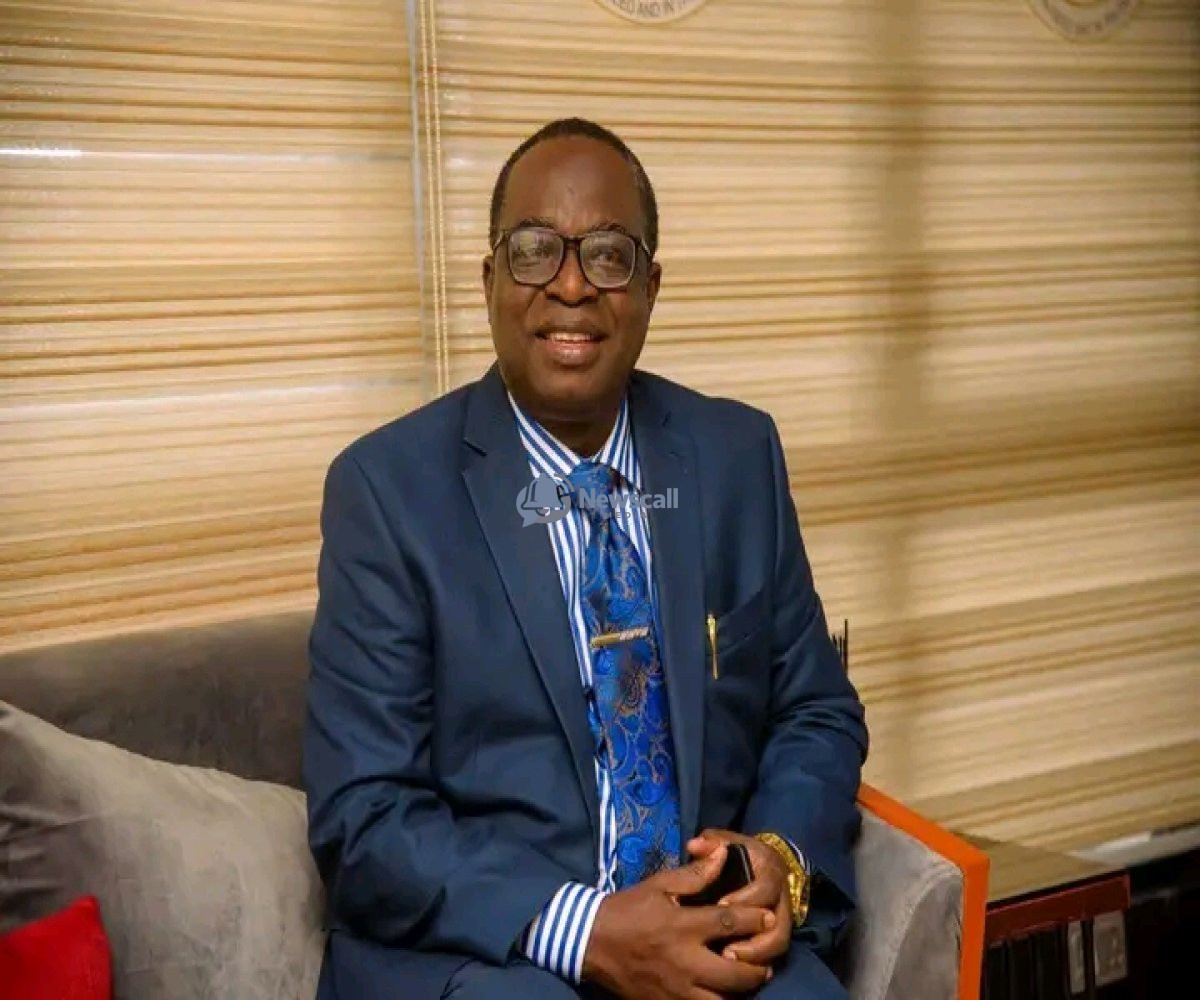
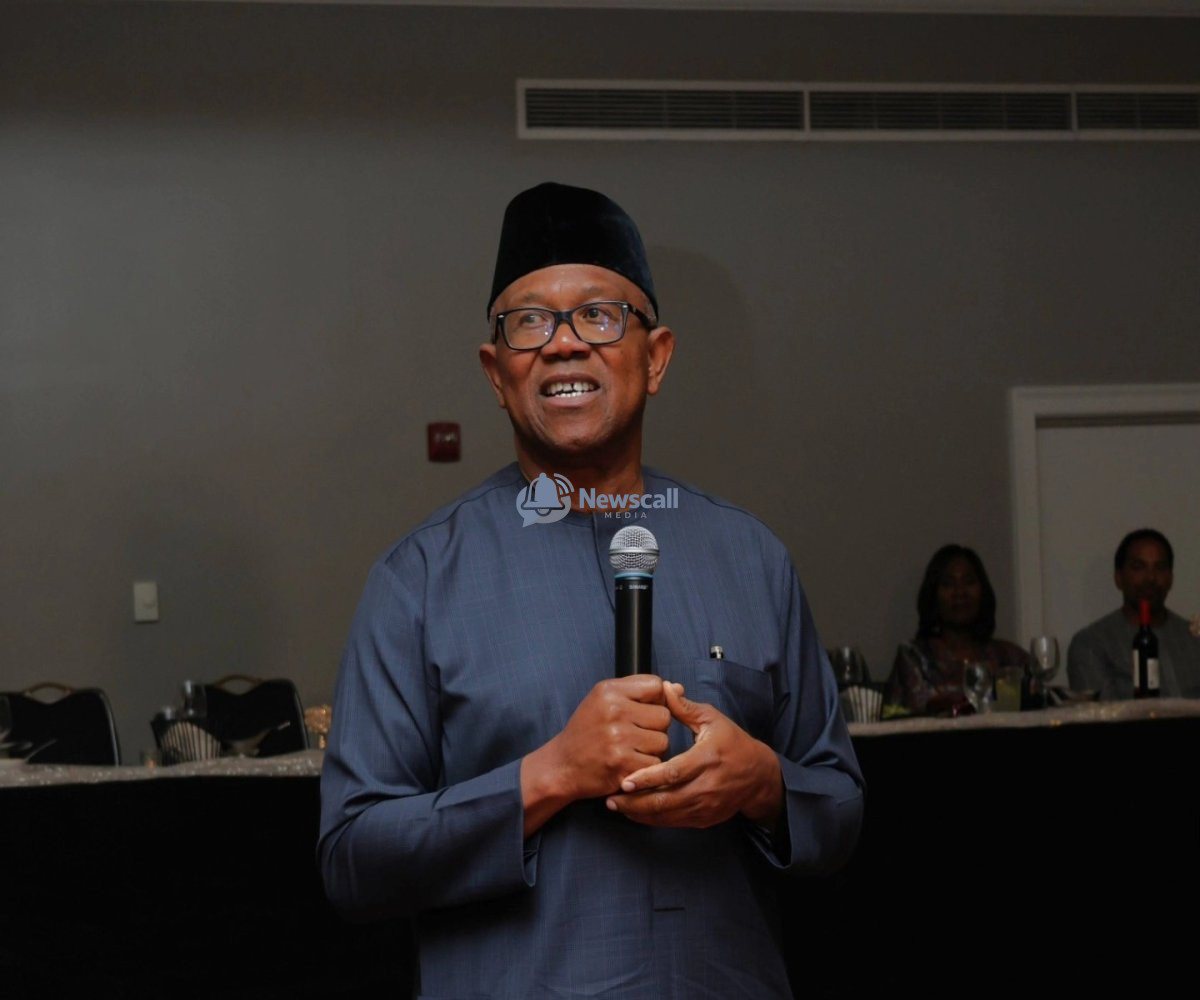
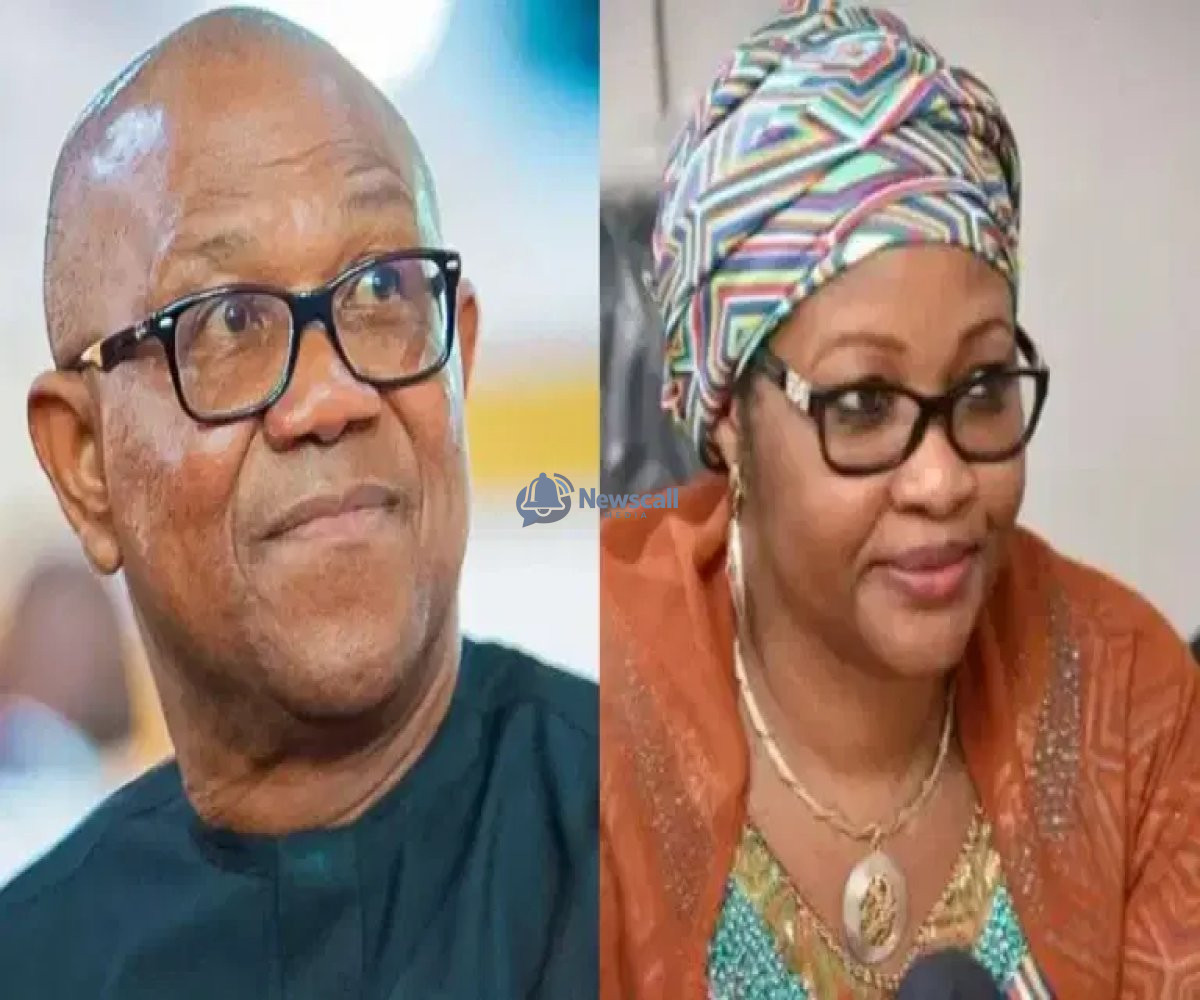
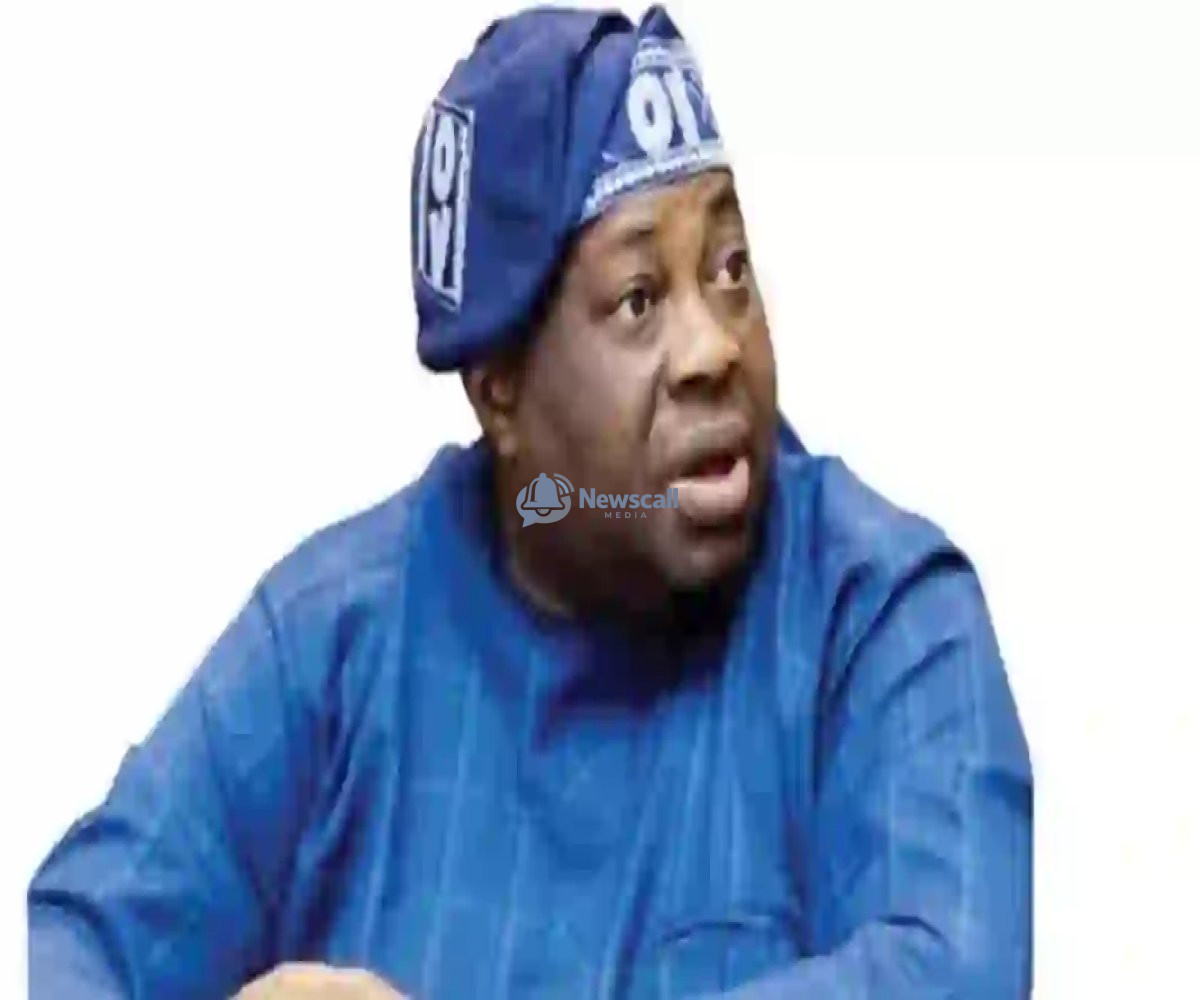
Veteran media entrepreneur and politician, Chief Dele Momodu, has opened up on what may become one of the most talked-about political revelations ahead of the 2027 presidential election — the moment Peter Obi allegedly turned down advice to align politically with former Vice President Atiku Abubakar because he believed he had become more popular than him.
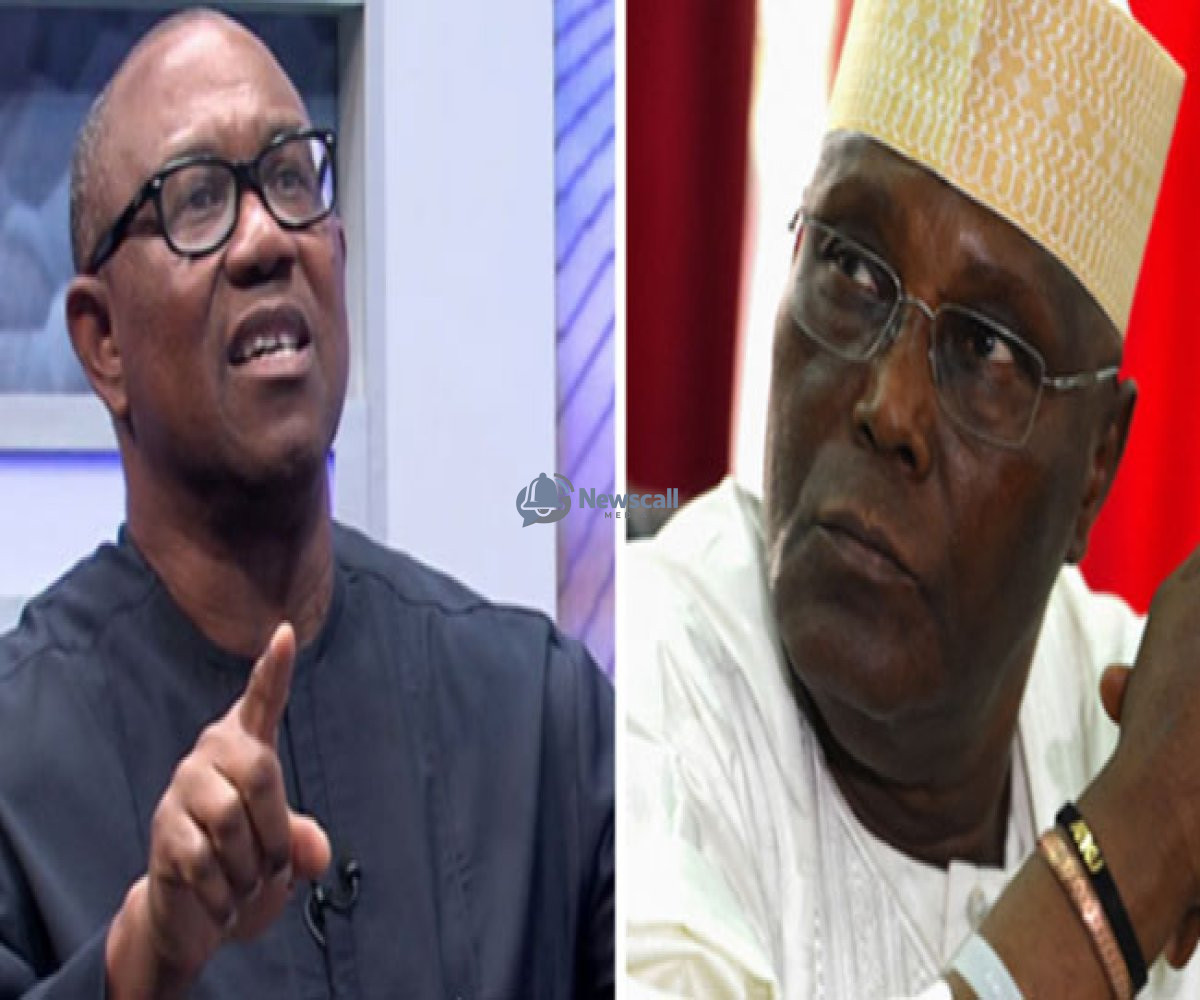
Momodu made the explosive disclosure during an interview on the Naija Unfiltered Podcast, where he spoke extensively about behind-the-scenes political conversations, power calculations, and the growing battle for opposition leadership ahead of the next general election.
According to the Ovation International publisher, he personally advised the former Anambra State governor to consider rebuilding political ties with Atiku, arguing that strategic alliances and patience have historically helped many leaders eventually rise to the presidency.
Recalling the political events that led to the 2019 presidential election, Momodu said Atiku played a significant role in elevating Obi to national prominence by choosing him as his running mate under the Peoples Democratic Party.
“I told Peter, ‘Why don’t you go and work with Atiku?’ Atiku was the person who brought him to national prominence,” Momodu said during the interview.
He explained that Atiku’s decision to pick Obi in 2019 was far from popular within the PDP at the time, especially among influential governors and party stakeholders who reportedly preferred other options.
“When Atiku picked Peter, the governors were angry. But one thing about Atiku is that once he makes up his mind, he’s a very focused man,” Momodu stated.
The media mogul said he tried to convince Obi by citing several examples of global and African political leaders who first served as deputies before eventually becoming presidents.
According to him, political loyalty, strategic patience, and coalition-building are often critical ingredients for attaining ultimate political power.
“So, I told Peter, I said, ‘Sir, Your Excellency, try and work with this man,’ then I gave him copious examples,” Momodu explained.
He referenced former Ghanaian President John Mahama, noting that Mahama may never have become president if he had not first served as vice president under the late Prof. Atta Mills.
“I said if Mahama was not a VP to Prof Atta Mills, maybe he would never have become President of Ghana because he came from a minority, just like Jonathan in Nigeria,” he said.
Momodu also cited former Nigerian President 5t⁴ and former United States President Joe Biden as examples of politicians who used vice-presidential platforms to eventually emerge as national leaders.
“I gave the example of Jonathan. I gave the example in America. Even Joe Biden, who was much older than Obama, still came back to become president because you’re able to demonstrate your capacity,” he added.
However, despite the arguments and examples, Momodu revealed that Obi remained unconvinced.
According to him, the former Labour Party presidential candidate insisted that his political popularity had surpassed Atiku’s, making such an alliance less appealing to him.
“You’ve always been a governor of a state, but Peter told me he’s more popular than Atiku,” Momodu disclosed.
The revelation comes amid growing speculations over possible coalitions and strategic realignments among opposition figures ahead of the 2027 presidential election.
Both Atiku Abubakar and Peter Obi remain two of the most influential opposition politicians in Nigeria today, with supporters across different regions of the country. Political observers have repeatedly argued that a united opposition front could pose a stronger challenge in 2027, especially against the ruling All Progressives Congress.
Momodu’s comments are already generating conversations within political circles, as many Nigerians debate whether personal popularity, political structure, or strategic alliances will ultimately determine the shape of the next presidential race.
With 2027 gradually approaching, the battle for opposition leadership appears to be intensifying and behind closed doors, conversations about alliances, ambition, and political calculations are already heating up.

Anozie Chiemerie Emmanuel
Writer